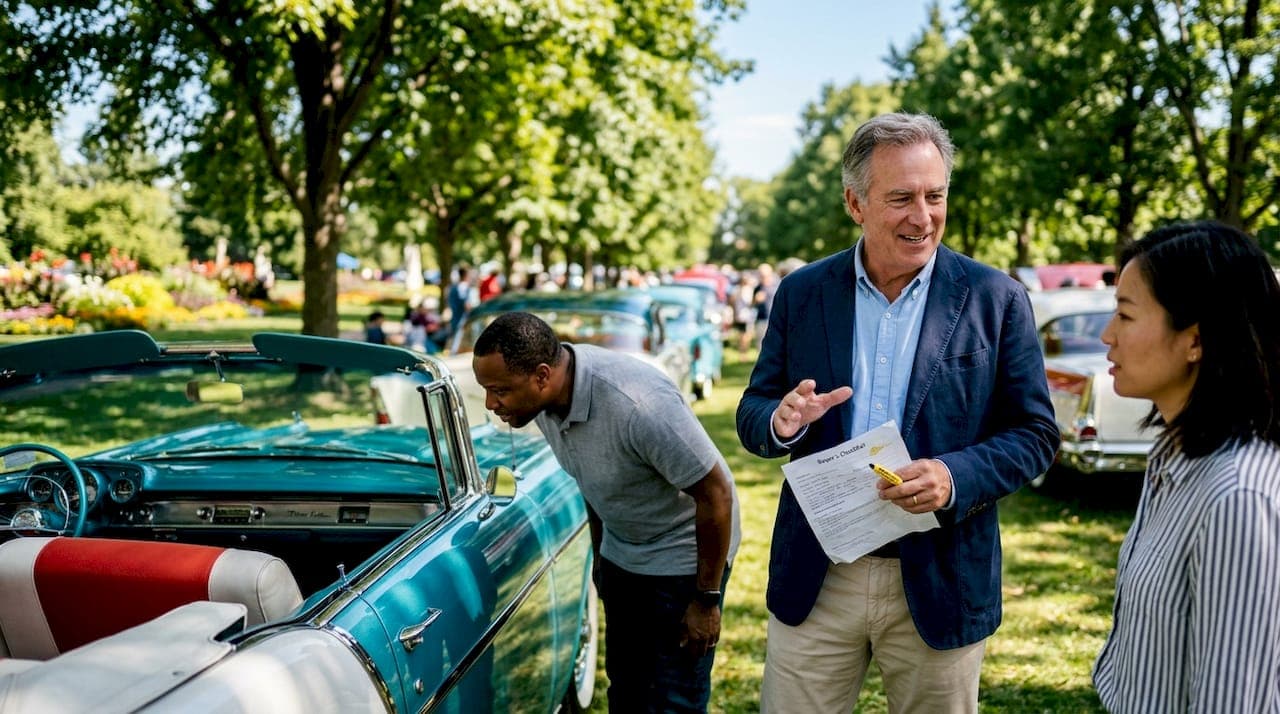
Collector car shows are the top lead generation channel for the collector vehicle market, with 82% of auto show visitors reporting that attending directly influences their purchase decision. That number alone separates car shows from nearly every other marketing channel available to sellers and dealers. The reason why collector car shows generate leads so effectively comes down to three things: a focused audience, physical access to vehicles, and a trust environment that no website or social ad can replicate. If you sell, consign, or buy collector cars, understanding how these events work as lead engines will change how you approach them.
Why collector car shows generate leads better than other channels
Collector car shows produce high-quality leads because they concentrate motivated buyers in one place at one time. According to Automotive Experience Alliance research, 44% of attendees are in-market shoppers planning a purchase within 12 months. That is not casual foot traffic. These are buyers who drove to the event, paid to get in, and showed up ready to look seriously.
The environment itself does a lot of the work. Physical inspection and provenance verification are the two biggest trust signals in collector car sales. A buyer who can open the hood, check the panel gaps, and talk directly to a knowledgeable seller moves through the consideration phase faster than one browsing listings online. The offline trust model is not a nostalgic preference. It is the primary mechanism for closing high-value collector vehicle sales.
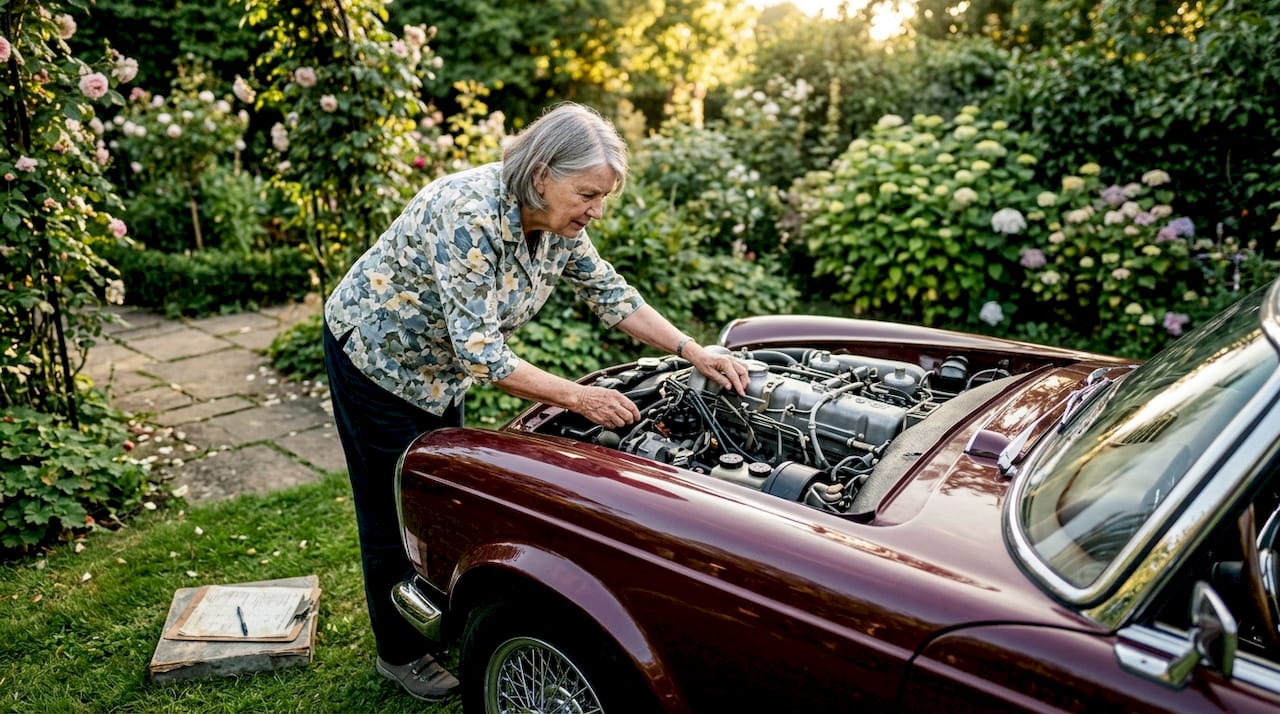
Premium automotive events attract specialist audiences who make considered, long-term purchasing decisions rather than impulse buys. That distinction matters for lead quality. A show focused on muscle cars, Broncos, or vintage Corvettes draws buyers who already know what they want. Your job as an exhibitor is to be the right answer when they find it.
Here is what makes the collector car show environment uniquely effective for lead generation:
- Focused audience: Attendees self-select by interest, so your booth reaches buyers already passionate about the category you sell.
- Physical access: Buyers can inspect paint, interiors, and mechanical condition firsthand, which accelerates trust and shortens the sales cycle.
- Community credibility: Being present at a respected show signals legitimacy. Buyers associate your brand with the event's reputation.
- Peer influence: Enthusiasts talk to each other. A positive interaction at your booth spreads through the crowd organically.
Pro Tip: Bring a dealer inspection checklist to your booth. Buyers who see you using a structured evaluation process trust your vehicles more, and that trust converts to leads.
How does attendee behavior affect lead quality at car shows?
Dwell time is the single best predictor of lead quality at a collector car show. Longer dwell time correlates directly with higher purchase intent. A buyer who spends 20 minutes at your booth asking detailed questions about a restoration is a fundamentally different prospect than someone who glances and walks on.
The data on this is clear. Events with ride-and-drive programs see average dwell times reach 2.9 hours. A regional collector car event with 600 attendees generated 270 leads and 6 immediate sales, plus 4 additional sales within 30 days. That conversion rate comes directly from extended, engaged interactions, not from volume of visitors.
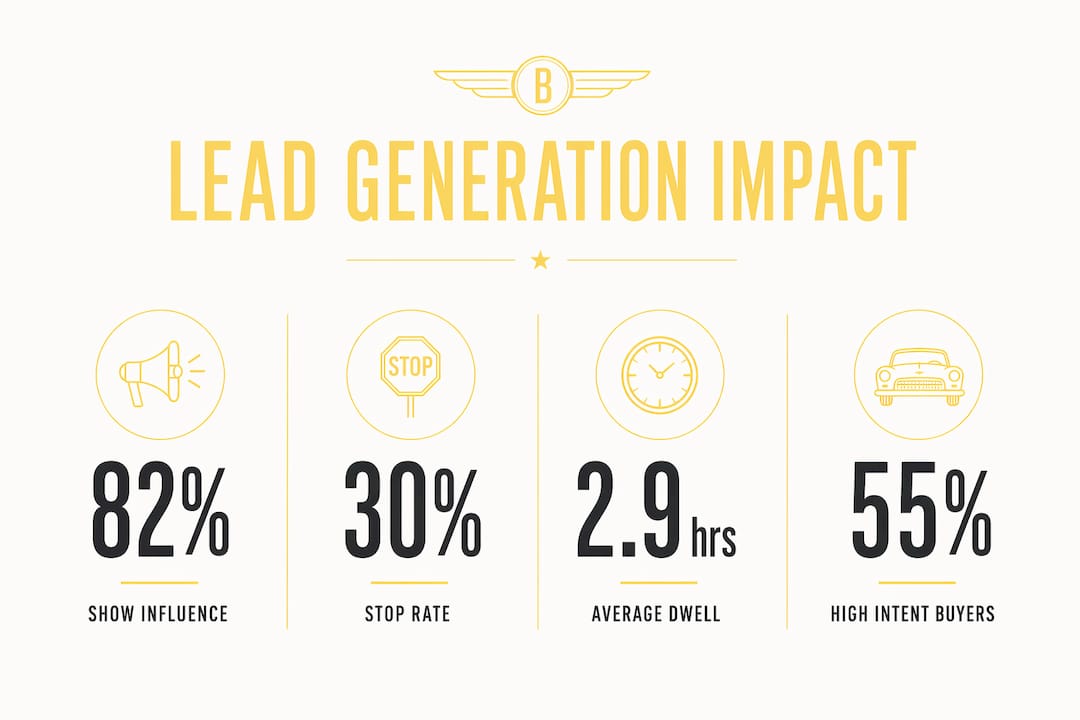
Exhibitors who measure "stop rates" get a sharper picture of what is working. Top-performing booths achieve a 30% stop rate and convert 10% of those stops into extended visits. Visitors at major shows like the New York International Auto Show averaged 4.5 hours on-site. That kind of dwell time means buyers are not rushing. They are ready to talk.
| Engagement metric | What it measures | Why it matters |
|---|---|---|
| Stop rate | % of passersby who pause at your booth | Indicates booth appeal and display effectiveness |
| Dwell time | Minutes spent at your booth | Predicts purchase intent and lead quality |
| Extended visit rate | % of stops that turn into conversations | Measures staff effectiveness and vehicle interest |
| Post-show follow-up | Leads contacted within 48 hours | Determines conversion from show to sale |
Pro Tip: Track your stop rate manually during the first two hours of the show. If it falls below 20%, adjust your display or opening line before the peak afternoon crowd arrives.
Best practices for capturing and qualifying leads at car shows
The biggest mistake exhibitors make is treating lead capture as an afterthought. Top exhibitors define what a "qualified" lead looks like before the event starts, train staff with clear scripts and role assignments, and make mid-show adjustments based on real-time data. That preparation is what separates a show that generates 10 solid leads from one that generates 200 business cards that go nowhere.
Follow these steps to build a lead capture system that actually works:
-
Define your qualified lead before you arrive. A qualified lead for a collector car seller is someone with a specific vehicle interest, a purchase timeline within 12 months, and the financial capacity to buy. Write that definition down and share it with every staff member.
-
Use QR codes connected to your CRM. Digital tools like QR codes linked to a CRM system capture richer lead data in real time. Manual business card collection loses context. A digital entry logs the vehicle the buyer was interested in, the questions they asked, and the follow-up they requested.
-
Assign clear roles to staff. One person greets and qualifies. One person does deep-dive conversations. One person handles lead entry. Mixing those roles creates gaps where interested buyers slip away.
-
Run a mid-show analysis. Pull your lead data at the halfway point. If most leads are coming from one vehicle or one staff member, shift resources to replicate that success in the second half.
-
Build a follow-up sequence before the show. Detailed conversations at the booth should trigger automated nurture sequences tailored to each buyer's stated interest. A buyer who asked about a 1969 Camaro should receive Camaro-specific content within 24 hours, not a generic newsletter.
Understanding the vintage car community culture also helps your staff engage more naturally. Buyers notice when a seller genuinely knows the hobby. That authenticity builds rapport faster than any script.
How do car shows compare to digital marketing for lead generation?
Collector car shows outperform digital channels for one specific buyer segment: the serious, high-intent collector. 55% of in-market attendees visit dealerships post-show, and 40% arrange test drives directly from show interactions. Digital advertising rarely produces that kind of downstream action from a single touchpoint.
The reason is sensory. Enthusiasts at shows ask detailed restoration and build questions, inspect engine quality firsthand, and experience the social energy of the collector community. Car shows provide sensory experiences that digital channels simply cannot replicate. A photo of a 1967 Mustang fastback is compelling. Standing next to one, smelling the leather, and hearing the engine idle is a different experience entirely.
Digital marketing and car shows are not competitors. They work best together. Shows generate the initial trust and emotional connection. Digital channels, particularly email and retargeting, keep that connection warm until the buyer is ready to commit. The classic car market trends in 2026 show buyers doing more research online before attending shows, which means your digital presence primes them before they ever reach your booth. The show closes what the website opens.
Key Takeaways
Collector car shows generate the highest-quality leads in the automotive collector market because they combine focused, motivated buyers with physical access to vehicles and a trust environment that digital channels cannot match.
| Point | Details |
|---|---|
| Shows drive purchase decisions | 82% of auto show visitors say the event influences their vehicle purchase, with 30% ranking it as their top influence. |
| Dwell time predicts lead quality | Longer booth visits correlate with higher purchase intent; ride-and-drive programs push dwell time to 2.9 hours. |
| Define leads before the event | Top exhibitors set a clear qualified-lead definition and train staff before the show starts, not during it. |
| Digital tools improve capture | QR codes linked to CRM systems capture richer, more contextual lead data than manual methods. |
| Shows and digital work together | Car shows build trust and emotional connection; digital channels nurture that relationship toward a sale. |
What I've learned about lead quality versus lead quantity at shows
The first time I walked a major collector car show as an exhibitor rather than a buyer, I made the classic mistake. I counted business cards. I thought 150 cards meant 150 leads. It did not. About 20 of those conversations were real. The rest were polite exchanges with people who had no intention of buying anything.
What changed my thinking was tracking dwell time instead of contact volume. The buyers who stood at the vehicle for 15 minutes, who asked about the frame-off restoration process or the matching-numbers status, those were the ones who called back. The ones who grabbed a card while walking past never did. Lead quality at a collector car show is almost entirely a function of conversation depth, not booth traffic.
The other thing I underestimated was preparation. Showing up with a great car is not enough. You need a clear story for each vehicle, a staff member who can answer provenance questions without hesitation, and a follow-up plan that starts before the show ends. The exhibitors I watched succeed consistently were the ones who treated the show like a sales process with a defined beginning, middle, and end. Not a social event with a booth attached.
My honest advice: attend one show as a buyer before you exhibit. Walk the floor, notice which booths pull you in, and pay attention to what the staff says in the first 30 seconds. That experience will teach you more about effective lead generation at car shows than any guide can.
— Tony
Butterclassics and the collector car market
Butterclassics brings the same trust and transparency you find at the best collector car shows directly to your screen. Whether you are looking to buy, sell, or consign a classic vehicle, the Butterclassics team knows this market inside and out.
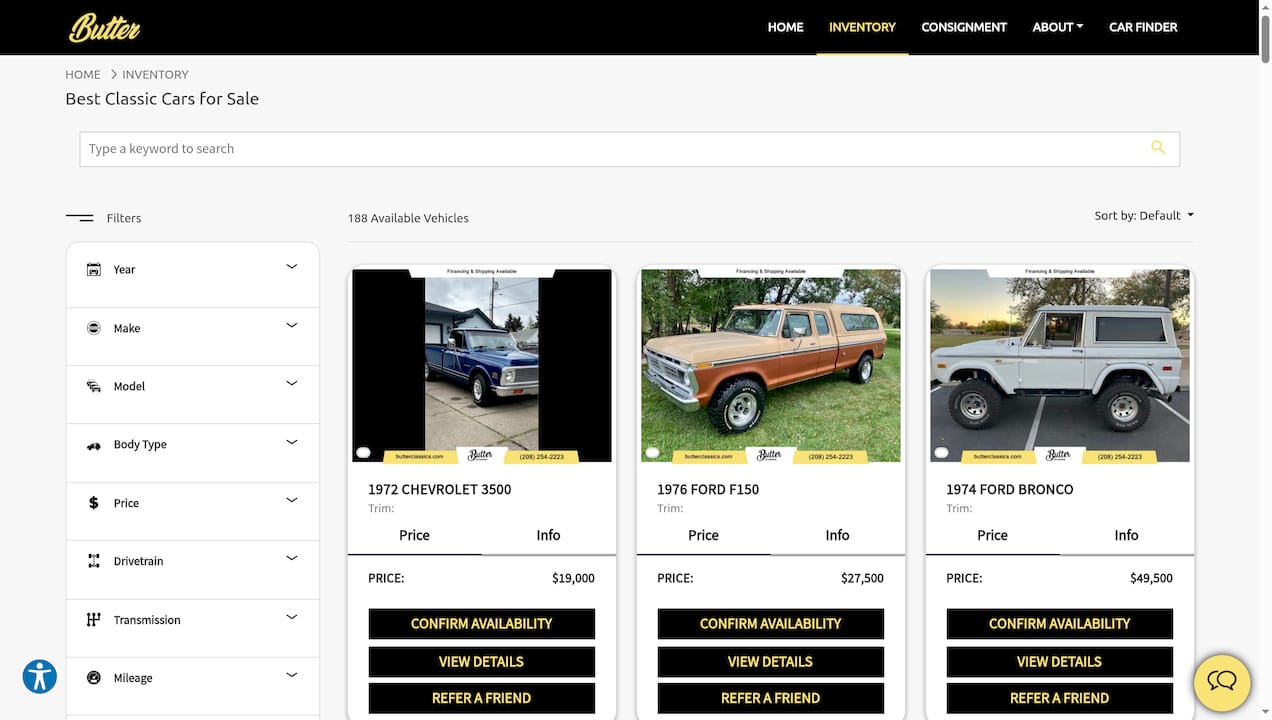
Browse the curated classic inventory to find muscle cars, vintage trucks, Corvettes, Broncos, and more, each listed with the detail serious buyers expect. For buyers who want extra peace of mind, Butter Certified vehicles go through a rigorous evaluation process that mirrors the physical inspection trust you get at a top-tier show. The same quality, available any time you are ready to look.
FAQ
Why do collector car shows produce better leads than online ads?
Collector car shows attract in-market buyers who are actively planning a purchase, with 44% intending to buy within 12 months. The physical inspection and direct conversation at shows build trust faster than any digital ad format.
What is a good stop rate for a collector car show booth?
Top-performing booths achieve a 30% stop rate, meaning 3 in 10 passersby pause to engage. Booths that convert 10% of those stops into extended conversations are considered high performers.
How soon should you follow up with leads after a car show?
Follow up within 24–48 hours while the interaction is still fresh. Personalized outreach tied to the specific vehicle or topic the buyer discussed at the show produces the best response rates.
Does dwell time really predict whether someone will buy?
Yes. Longer dwell time is a direct indicator of purchase intent. Buyers who spend 15 or more minutes at a booth asking detailed questions convert at significantly higher rates than those who make brief stops.
How can you evaluate a collector car's condition before committing?
Physical inspection at a show is a strong starting point. For a structured approach, a guide on evaluating vintage car condition covers the key checkpoints buyers should use before making any offer.