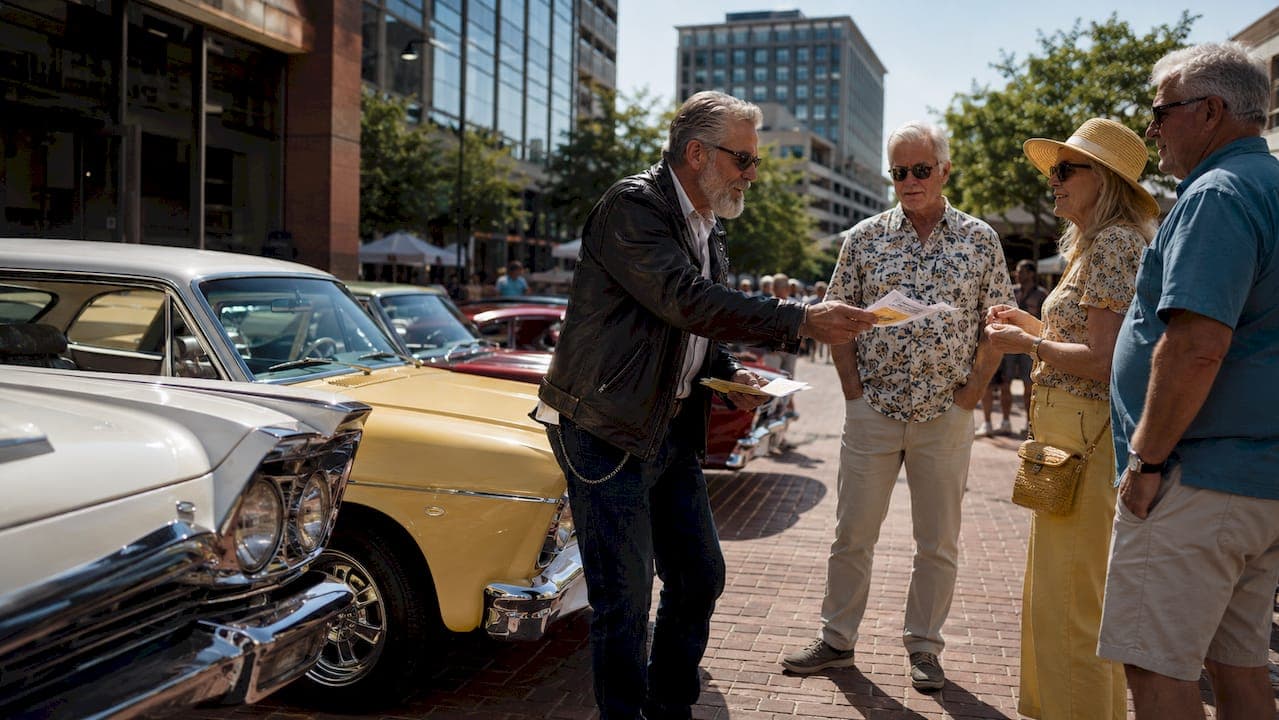
Joining classic car communities is the single fastest way to gain technical knowledge, trusted shop referrals, and lifelong friendships in the collector car world. These groups, formally called classic car clubs, range from national organizations like the Antique Automobile Club of America (AACA) to tight-knit regional multi-marque clubs that meet at a local diner every third Thursday. Whether you own a finished show car, a barn find in pieces, or nothing yet, there is a club seat with your name on it. This guide walks you through every step, from choosing the right group to getting the most out of every meeting.
What types of classic car communities and clubs exist?
Classic car clubs fall into a few clear categories, and knowing the difference saves you time when searching for the right fit.
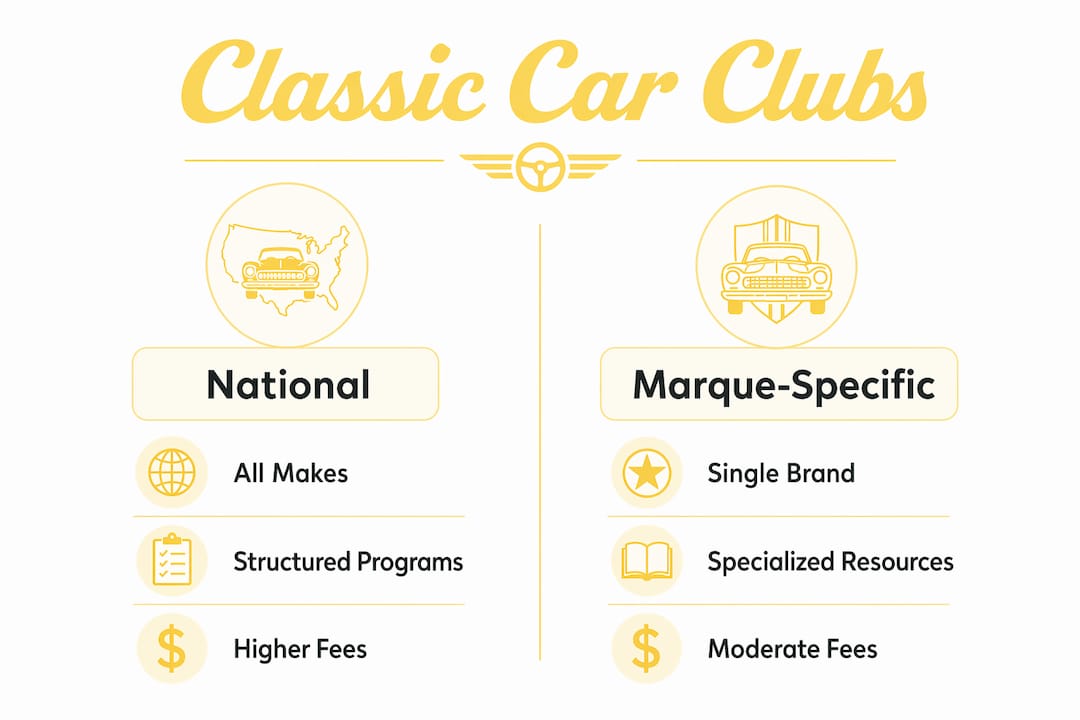
National general clubs like the AACA serve enthusiasts of all makes and eras. They offer structured programs, national events, and a strong focus on youth mentorship and philanthropy. Membership connects you to a network spanning every state, which matters when you travel with your car or need a contact in another region.
Marque-specific clubs focus on a single brand or model line. Think Corvette clubs, Mustang clubs, or Model A Ford clubs. These groups go deep. Marque clubs provide technical resources and access to factory registries that general clubs simply cannot match. Many serious collectors hold memberships in both a general club and one or two marque-specific groups to get the best of both worlds.
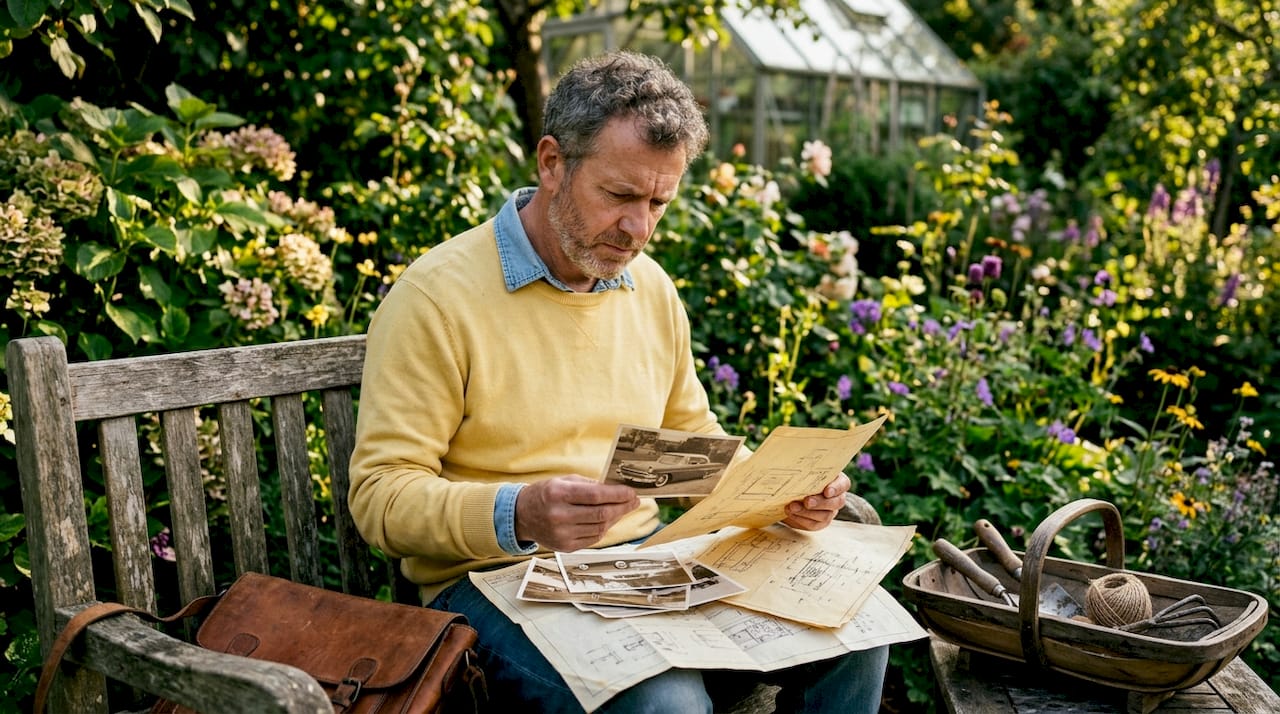
Regional and local multi-marque clubs are often the most accessible entry point. Groups like the Fremont Area Car Club welcome any make, any era, and any level of experience. They host monthly meetings, cruise nights, and charity drives that make it easy to show up and feel at home fast.
Online forums and virtual communities serve enthusiasts who want knowledge on demand. Platforms dedicated to specific models or eras let you search decades of archived threads before you ever post a question. The tradeoff is that the social depth of an in-person club is hard to replicate on a screen.
Specialty and inclusivity-focused clubs round out the picture. Women's car clubs, clubs organized around a specific decade, and clubs built around electric-converted classics all exist and are growing. The collector car hobby is broader than most newcomers expect.
| Club type | Best for | Typical annual cost | Vehicle required? |
|---|---|---|---|
| National general (AACA) | Broad network, national events | $30 to $75 | No |
| Marque-specific | Deep technical help, registries | $30 to $75 | Recommended |
| Regional multi-marque | Social events, local contacts | $20 to $25 | No |
| Online forums | Research, parts sourcing | Free to low cost | No |
| Specialty/inclusivity clubs | Niche interests, welcoming culture | Varies | No |
Do you need to own a classic car to join?
You do not need to own a classic car to join most clubs. Clubs value enthusiasm and attendance over a finished vehicle in the driveway. Many members join during what insiders call the "dreaming and saving" phase, long before they make a purchase. That early membership pays off because you learn what to look for, what to avoid, and who to call before you spend a dollar on a car.
Here is what the typical joining process looks like:
- Find a club. Attend a local car show or cruise night. Most metropolitan areas have at least one active general club that holds monthly meetings. Ask around at the show and you will have three business cards in your hand before the afternoon is over.
- Attend a meeting. Show up, introduce yourself, and watch how the group operates. Most clubs are genuinely welcoming to newcomers.
- Get voted in. Attending one meeting and gaining member approval is usually all it takes to become an official member. The vote is a formality in most cases.
- Pay dues. Combined national and local dues typically run under $150 per year total. That is less than a single tank of premium fuel in most classic cars.
- Show up consistently. Membership is activated by participation, not just a paid receipt.
Pro Tip: Before your first meeting, spend 30 minutes reading the club's website or Facebook page. Knowing the names of a few officers and the club's upcoming events gives you instant conversation starters and signals that you are serious.
Joining classic car groups does not require a resume or a perfect car. It requires genuine interest and the willingness to show up.
How to get the most out of classic car enthusiast meetups and events
Active participation is what separates members who get real value from those who just pay dues and forget about it. Here is a practical sequence for building real standing in any club:
- Attend every meeting you can for the first three months. Consistency signals commitment. Members remember faces before they remember names, and showing up repeatedly is the fastest way to go from "new guy" to "one of us."
- Volunteer for something small. Help set up chairs, work the registration table at a show, or join a planning committee. Volunteering leads to prioritized mentorship and access to information that never gets posted publicly.
- Participate in judged events and club drives. Activities like "Drive-n-Dine" nights and car judging events accelerate your integration faster than any other single activity. You learn the cars, you learn the standards, and you earn respect.
- Ask your questions in person, not just online. A direct conversation with a technical advisor at a meeting produces better answers and builds a relationship. Online posts get answers. In-person conversations get mentors.
- Leverage the network for shop referrals. Clubs share vetted recommendations for machine shops, restoration specialists, and parts suppliers that you will never find through a Google search. These referrals come with accountability because the recommender's reputation is attached.
Pro Tip: Bring a notebook to your first few meetings. Write down every shop name, parts source, and technical tip you hear. That notebook becomes a resource worth more than any single club benefit.
Classic car enthusiast meetups are also genuinely fun. Car clubs are about friendship as much as the cars, with family-friendly events and charitable fundraisers woven into the calendar. Bringing a spouse or a kid to a cruise night often turns a solo hobby into a shared one.
Common challenges when joining classic car communities
Every newcomer hits a few bumps. Knowing what they are ahead of time makes them much easier to handle.
- Fear of not knowing enough. This is the most common barrier and the least justified. Novices are mentored enthusiastically, with genuine interest valued over expertise. Nobody expects you to rebuild a carburetor on your first visit.
- Online forum culture shock. Classic car forums have a strong search-before-asking culture. Read the sticky posts, search prior threads, and introduce yourself properly before posting a question that has been answered 40 times. Skipping this step is the fastest way to get a cold reception.
- Club politics. Every organization has internal dynamics. The fix is simple: stay focused on the cars and the community mission, avoid taking sides in disputes you do not fully understand, and let your participation speak for itself.
- Choosing local vs. national. Local clubs give you social connection and practical contacts. National clubs give you scale and resources. The answer for most enthusiasts is both, since the combined cost is still modest and the benefits do not overlap much.
- Finding the right personality fit. Not every club culture matches every person. If your first club feels off, try another one. The hobby is big enough that a better fit is always out there.
How classic car clubs enhance your restoration and ownership journey
The practical benefits of club membership show up most clearly when you are working on a car. Club members share vetted contacts for machine shops and restoration specialists that are not listed anywhere publicly. A referral from a trusted club member carries a level of accountability that no online review can match.
Clubs also help you understand what your car is worth and what it should cost to restore. Members who have been through similar projects share real numbers, real timelines, and real warnings. That knowledge protects you from overpaying for work or underestimating a project's scope. For anyone thinking about building a classic car collection, this community intelligence is genuinely hard to put a price on.
Marque-specific clubs go further by providing access to factory documentation, parts registries, and authentication resources. If you ever want to understand classic car authentication for a specific model, a marque club is the most direct path to the right expert.
| Club benefit | What it means in practice |
|---|---|
| Vetted shop referrals | Access to trusted restoration contacts not found publicly |
| Technical mentorship | Hands-on guidance from members who have restored the same model |
| Parts sourcing network | Group knowledge of suppliers, NOS parts, and fair pricing |
| Market intelligence | Real-world data on values, costs, and restoration timelines |
| Authentication support | Access to registries and documentation through marque clubs |
Key takeaways
Joining classic car communities delivers the most value to enthusiasts who show up consistently, volunteer early, and treat the club as a two-way relationship rather than a subscription service.
| Point | Details |
|---|---|
| No car required to join | Most clubs welcome enthusiasts in any stage of ownership, including pre-purchase. |
| Costs are modest | Combined national and local dues typically run under $150 per year. |
| Participation drives value | Volunteering and attending events unlocks mentorship and insider contacts. |
| Marque clubs go deeper | Marque-specific groups provide technical resources and registries general clubs cannot match. |
| Online forums need etiquette | Search threads and read sticky posts before asking questions to get quality responses. |
Why I think most people wait too long to join
Here is something I have noticed over years of watching people come into this hobby: the enthusiasts who wait until their car is "finished" before joining a club almost always regret the delay. The restoration takes longer, costs more, and produces more frustration than it needed to because they were working without the network.
The people who join early, before the car is even purchased, show up to their first restoration with a list of trusted shops, a mentor who has done the same project twice, and a clear sense of what the finished car should be worth. That is not luck. That is what consistent participation in a good club actually produces.
I also think the fear of not knowing enough keeps too many people on the sidelines. Every experienced member in every club I have ever seen was once the person who did not know what a matching-numbers car was. The knowledge transfer culture in this hobby is real. People genuinely want to share what they know. You just have to show up and ask.
If you are on the fence, go to one meeting. One. You will know within 90 minutes whether the group is right for you. And if it is not, try the next one. The right community is out there, and finding it is one of the best moves you can make as a collector.
— Tony
Find your next classic at Butterclassics
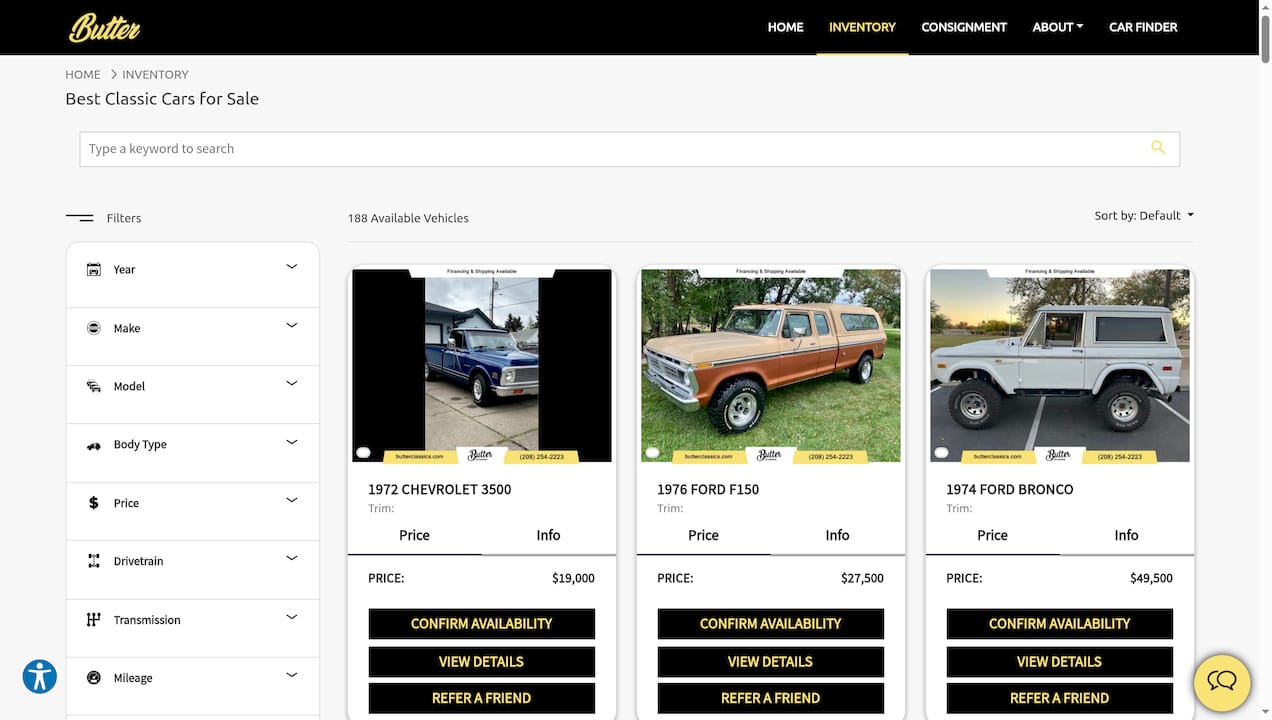
The best classic car communities are built around great cars, and finding the right car is where Butterclassics comes in. Whether you are ready to buy your first collector vehicle or looking to add to an existing collection, browse the Butterclassics inventory for a hand-selected range of muscle cars, Corvettes, Broncos, vintage trucks, and more. Every listing includes detailed specs and high-quality photos so you can shop with confidence. If you want the extra peace of mind that comes with a vetted purchase, check out Butter Certified vehicles for top-notch quality assurance. Find the car that gets you through the club gates and onto the road.
FAQ
Do you need to own a classic car to join a club?
No. Most clubs welcome enthusiasts at any stage, including those who do not yet own a vehicle. Clubs value consistent attendance and genuine enthusiasm over car ownership status.
How much does classic car club membership cost?
Regional club dues often run $20 to $25 per year, while national organizations like the AACA charge $30 to $75 annually. Combining a national and a local club typically costs under $150 per year total.
What is the best way to find classic car clubs near me?
Attend local car shows and cruise nights. Most metropolitan areas have at least one active general club, and members are easy to spot and happy to talk. A quick conversation at a show usually produces multiple club contacts.
How do online classic car forums differ from in-person clubs?
Online forums are best for research, parts sourcing, and archived technical knowledge. In-person clubs provide mentorship, social connection, and vetted local contacts that forums cannot replicate. Many enthusiasts use both.
How quickly can you become a full club member?
In most clubs, attending one meeting and receiving a member vote is all it takes. The process is designed to be welcoming, not selective, and new members are typically approved at the same meeting they first attend.