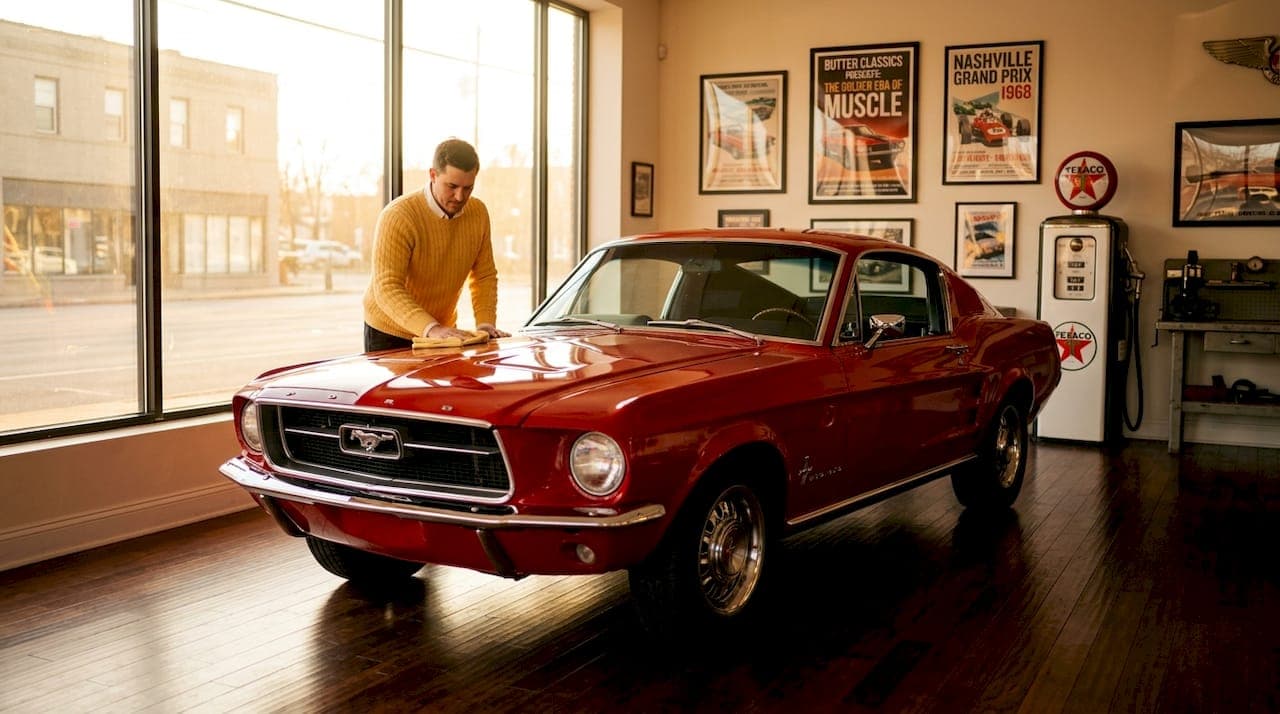
A collector car is defined as a vehicle valued beyond its transportation function because of its rarity, historical significance, cultural appeal, or enthusiast demand. Unlike a daily driver, a collector car is preserved, shown, and celebrated. The category spans everything from a 1969 Chevrolet Camaro Z/28 to a 2012 Ford Mustang Boss 302, as long as the car carries meaning beyond getting you from point A to point B. Understanding what qualifies a vehicle as a collector car matters whether you are buying, insuring, or simply curious about the world of automotive collecting.
What is a collector car, exactly?
A collector car is any vehicle whose primary value comes from its uniqueness, historical context, or enthusiast significance rather than its utility as transportation. That definition is intentionally broad, and for good reason. Collector cars are a broader group that can include younger performance vehicles if they carry special historical or enthusiast value. A 2012 Boss 302 Mustang qualifies under this umbrella even though it is barely a decade old, while a neglected 1965 Ford Mustang in poor condition might not.
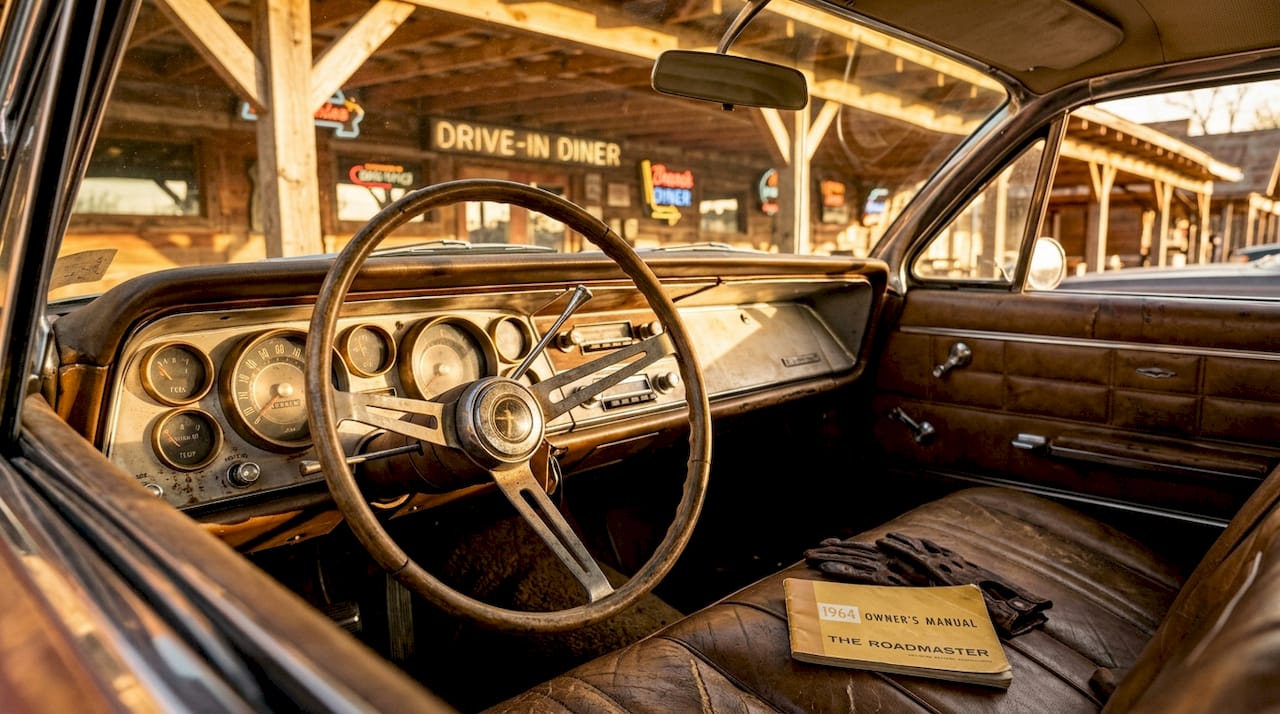
The term "collector car" functions as the widest umbrella in automotive classification. It overlaps with classic, vintage, and antique categories but is not limited by their stricter age requirements. Insurers, state agencies, and enthusiast organizations each apply slightly different criteria, which is why understanding the full picture saves you confusion down the road.
What criteria define a collector car?
Several specific factors determine whether a vehicle qualifies as a collector car. Age is one factor, but it is not the only one.
- Age threshold: Most classifications use 20 to 25 years as a starting point, but exceptions exist for culturally significant modern vehicles.
- Condition: The car must be well-maintained and preserved, not simply old. Rust buckets do not qualify.
- Usage: The California Vehicle Code defines a collector car as one used primarily for shows, parades, and exhibitions, not as a primary mode of transportation.
- Rarity: Limited production numbers, special editions, or factory options that few cars received all contribute to collectibility.
- Enthusiast recognition: The car must be recognized and desired by a community of collectors, not just its owner.
- Legal registration: Many states offer special registration categories for collector vehicles, which come with usage restrictions and age requirements of 25 or 35 years depending on the jurisdiction.
The usage restriction is worth emphasizing. Collector cars cannot be used primarily for daily transportation and must meet legal registration requirements specific to collector status. This is not just a technicality. It shapes how you insure, store, and drive the vehicle.
Pro Tip: If you are considering a purchase and want to know whether a specific vehicle qualifies for collector status in your state, check your state's DMV website for its exact age threshold and usage definitions before buying.
How do collector cars differ from classic, vintage, and antique cars?
The terms classic, vintage, antique, and collector are used interchangeably in casual conversation, but they carry distinct meanings in legal and insurance contexts. Definitive definitions vary across organizations, insurers, and jurisdictions, so knowing the standard breakdown helps you communicate clearly and make smarter decisions.
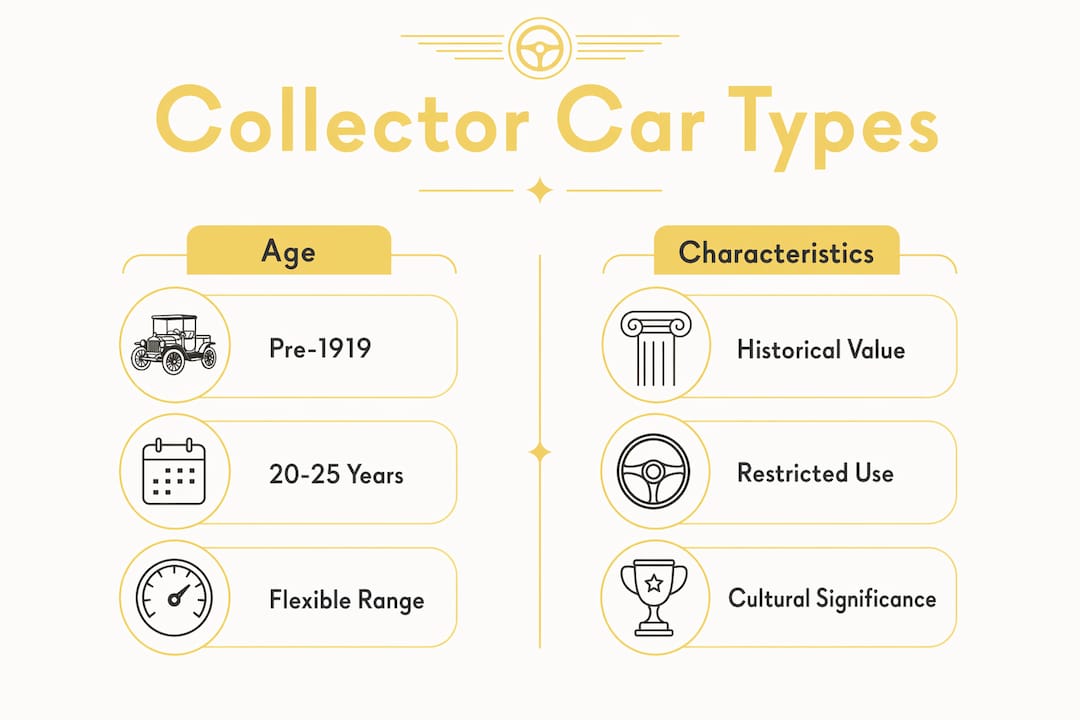
Here is how the categories compare side by side:
| Category | Typical Age Range | Key Characteristics |
|---|---|---|
| Antique | Pre-1919 | Oldest classification; brass-era vehicles; very limited use |
| Vintage | 1919 to 1939 | Pre-war era; hand-built craftsmanship; historically significant |
| Classic | 25 or more years old | Well-maintained; driven occasionally; stored properly |
| Collector | Flexible (can include modern) | Broadest term; includes all above plus culturally significant newer models |
The classic car category is where most people start. Most insurers consider a car classic if it is 20 to 25 years or older, well-maintained, driven occasionally, and stored properly. Classic cars are driven for pleasure or shows and stored securely, with agreed value coverage offered by specialty insurers. That description fits a 1985 Ferrari Testarossa just as well as a 1967 Pontiac GTO.
The collector car label is the most flexible of the four. It absorbs all the other categories and adds room for modern exceptions. A 1990s Japanese sports car like the Acura NSX or the Mazda RX-7 FD fits the collector definition even though it does not meet vintage or antique thresholds. The collector label recognizes that cultural significance does not always require age.
What factors influence the value of collector cars?
Collector car value is driven by a combination of rarity, condition, provenance, and cultural connection. Of these, cultural connection is the most underestimated factor.
Collector car value is driven by "cultural scarcity." Cars that were aspirational to a generation tend to appreciate most aggressively as that generation reaches peak earning years. Japanese sports cars from the 1990s, including the Nissan Skyline GT-R and Toyota Supra, are seeing sharp appreciation right now for exactly this reason. The buyers who dreamed about those cars as teenagers are now in their 40s with the money to act on it.
Beyond cultural appeal, these factors directly shape how to value a collector car:
- Originality: Numbers-matching cars, meaning vehicles with their original engine and transmission, command significant premiums over modified examples.
- Documentation: Presentation, documentation, and provenance are now as critical as the vehicle itself for successful sales. Original window stickers, build sheets, and service records all add verifiable history that buyers pay for.
- Condition grade: The Hagerty Price Guide and similar tools use a 1 to 4 condition scale. A number 1 concours condition car can be worth three to four times a number 3 driver-quality example of the same model.
- Provenance: Celebrity ownership, racing history, or a connection to a significant event adds a story that pure condition cannot replicate.
- Market timing: The collector car market moves in cycles. Muscle cars peaked in the early 2010s, while pre-war cars have softened. Knowing where a segment sits in its cycle matters.
Pro Tip: Before buying, pull a Hagerty valuation report for the specific model and condition grade you are considering. It gives you a defensible number to negotiate from rather than relying on seller asking prices.
The collector community increasingly appreciates a blend of factory-correct builds and modern upgrades, known as restomods. A restomod 1969 Chevrolet Blazer with modern suspension and air conditioning may sell for more than a fully original example because it is actually enjoyable to drive. Authenticity and drivability are not always in conflict.
What are the practical benefits and responsibilities of owning a collector car?
Owning a collector car is rewarding, but it comes with a specific set of commitments that differ from regular vehicle ownership. Here is what you need to plan for:
- Legal registration requirements. Most states offer a special collector or historic vehicle registration that reduces annual fees but restricts how often and where you can drive the car. California, for example, requires the vehicle to meet a specific age threshold and limits use to shows, exhibitions, and occasional pleasure driving.
- Specialized insurance. Standard auto insurance does not cover collector cars properly. Specialty insurers offer agreed value policies, meaning you and the insurer agree on the car's value upfront and that full amount is paid in a total loss. Collector car ownership involves restricted usage, special insurance policies, and storage requirements that owners must meet to qualify for coverage.
- Climate-controlled storage. Humidity, temperature swings, and UV exposure degrade paint, rubber seals, and interior materials. A climate-controlled garage is the standard for serious collectors, not a luxury.
- Maintenance by specialists. Many collector cars require mechanics who understand period-correct parts and restoration standards. Using the wrong replacement part can reduce value even if the repair is functionally sound.
- Community participation. Car shows, club memberships, and events like the Pebble Beach Concours d'Elegance or local AACA meets are part of the ownership experience. The benefits of owning a collector car extend well beyond the vehicle itself into a community of people who share your passion.
Collector car owners who treat their vehicles as investments rather than passions tend to make worse decisions. The best outcomes come from owners who self-identify as caretakers prioritizing authenticity and documentation over functional modifications. Maintaining original window stickers, build sheets, and careful restoration supports long-term value better than any modification.
Key takeaways
A collector car is defined by cultural significance, condition, and restricted use rather than age alone, making the category broader and more flexible than classic, vintage, or antique classifications.
| Point | Details |
|---|---|
| Collector car definition | A vehicle valued for rarity, history, or enthusiast appeal rather than daily transportation. |
| Age is flexible | Collector status can apply to modern cars like the 2012 Boss 302 Mustang if culturally significant. |
| Documentation adds value | Original build sheets, window stickers, and service records directly increase a car's market value. |
| Ownership has legal duties | Restricted use, special registration, and agreed value insurance are required for collector status. |
| Cultural scarcity drives prices | Cars tied to a generation's aspirations appreciate most as that generation reaches peak earnings. |
Why the definition of a collector car keeps expanding
I have watched the collector car world shift noticeably over the past decade, and the most interesting change is not prices. It is who gets to decide what counts. When I started paying close attention to this market, the conversation was dominated by pre-1973 American muscle and European sports cars. Today, a clean 1993 Mazda RX-7 or a low-mileage 1998 Acura Integra Type R commands serious money and serious respect.
That expansion is healthy. It means the definition of a collector car is being written by enthusiasm and cultural memory rather than by a fixed rulebook. The risk, though, is that buyers chase trends without understanding what actually holds value. A car that is popular on social media today is not automatically a sound long-term hold. The vehicles that consistently appreciate are the ones with documented history, genuine rarity, and a community that will still care about them in 20 years.
My honest advice: do not buy a collector car purely as a financial asset. Buy it because you genuinely connect with it. The people who do best in this market are the ones who would be happy owning the car even if it never went up in value. That mindset leads to better care, better documentation, and ironically, better financial outcomes. You can explore gran turismo heritage and car show culture to get a feel for the communities that sustain collector values over time.
— Tony
Find your next collector car at Butterclassics
If this article has you thinking seriously about owning a collector car, Butterclassics is the right place to start your search.
Butterclassics specializes in certified classic and vintage vehicles, from muscle cars and Corvettes to vintage Broncos and investment-grade trucks. Every vehicle in the Butterclassics inventory is presented with detailed specs, high-quality photos, and transparent history so you can buy with confidence. The Butter Certified program gives you an extra layer of assurance on condition and authenticity, which matters when you are making a significant purchase. Whether you are a first-time collector or adding to an established garage, the team at Butterclassics is ready to help you find something smooth as butter.
FAQ
What is the definition of a collector car?
A collector car is a vehicle valued for its rarity, historical significance, or enthusiast appeal rather than everyday transportation. The category includes classic, vintage, and antique cars as well as culturally significant modern vehicles.
How old does a car have to be to be a collector car?
Most classifications use 20 to 25 years as a baseline, but collector status is flexible. A 2012 Ford Mustang Boss 302 qualifies as a collector car due to its cultural and enthusiast significance even though it does not meet traditional age thresholds.
Are collector cars a good investment?
Collector cars can appreciate significantly, especially models tied to strong cultural demand, but they require proper storage, insurance, and documentation to hold value. Cars with verified provenance and original components consistently outperform modified or poorly documented examples.
What are collector car insurance requirements?
Collector car insurance typically requires agreed value coverage through a specialty insurer, restricted use as a non-primary vehicle, and climate-controlled storage. Standard auto policies do not provide adequate protection for collector vehicles.
How do I value a collector car?
Use tools like the Hagerty Price Guide to assess value based on condition grade, model rarity, and current market trends. Documentation including original build sheets, window stickers, and service records adds measurable value beyond the base price.