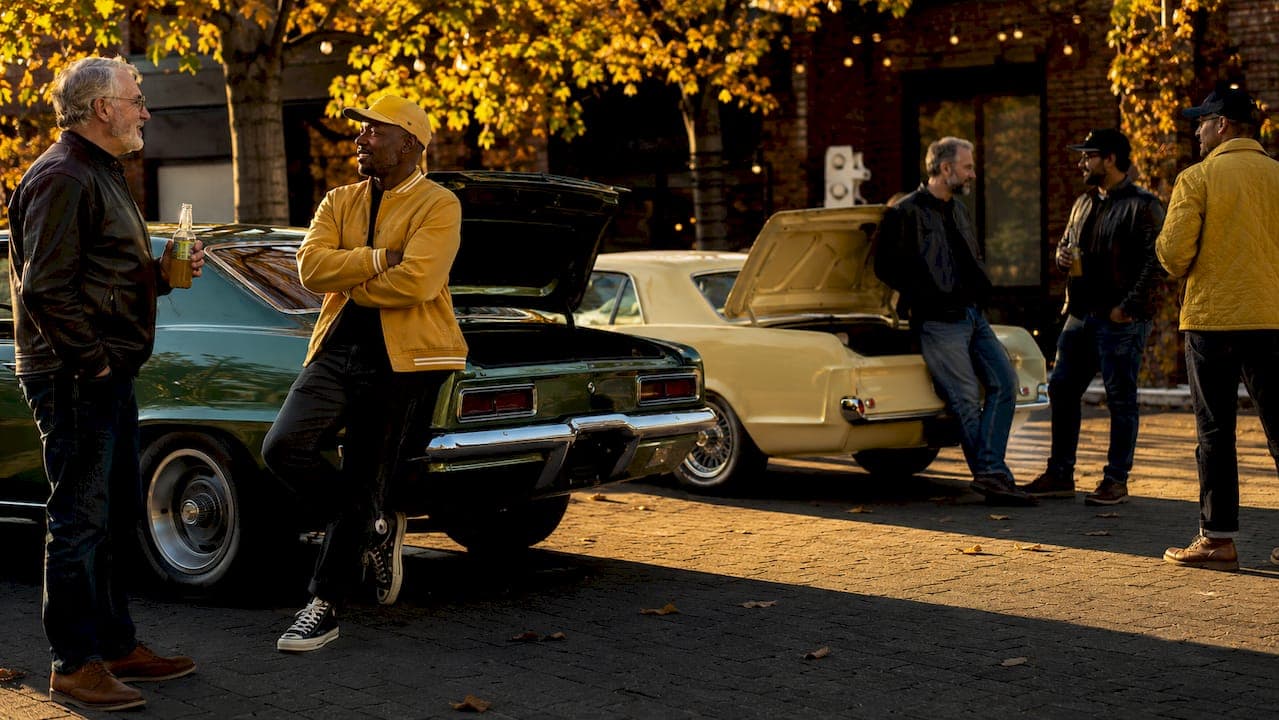
Vintage car community culture is a shared social ecosystem built around the preservation, celebration, and storytelling of classic automobiles. It goes far beyond owning a car. The culture connects people across generations through mutual respect, hands-on knowledge, and a deep passion for automotive history. Whether you drive a 1931 Ford Model A or simply love the era, this community has a place for you. Understanding the vintage car community culture explained here gives you the context to participate more fully and meaningfully.
What are the core values that define vintage car community culture?
The Classic Car Club of America defines a "Full Classic" by strict criteria: production between 1915 and 1948, limited quantity, bespoke coachwork, and luxury features. That precision matters. It signals that this community takes its standards seriously and rewards members who understand the difference between a collectible and a commodity.
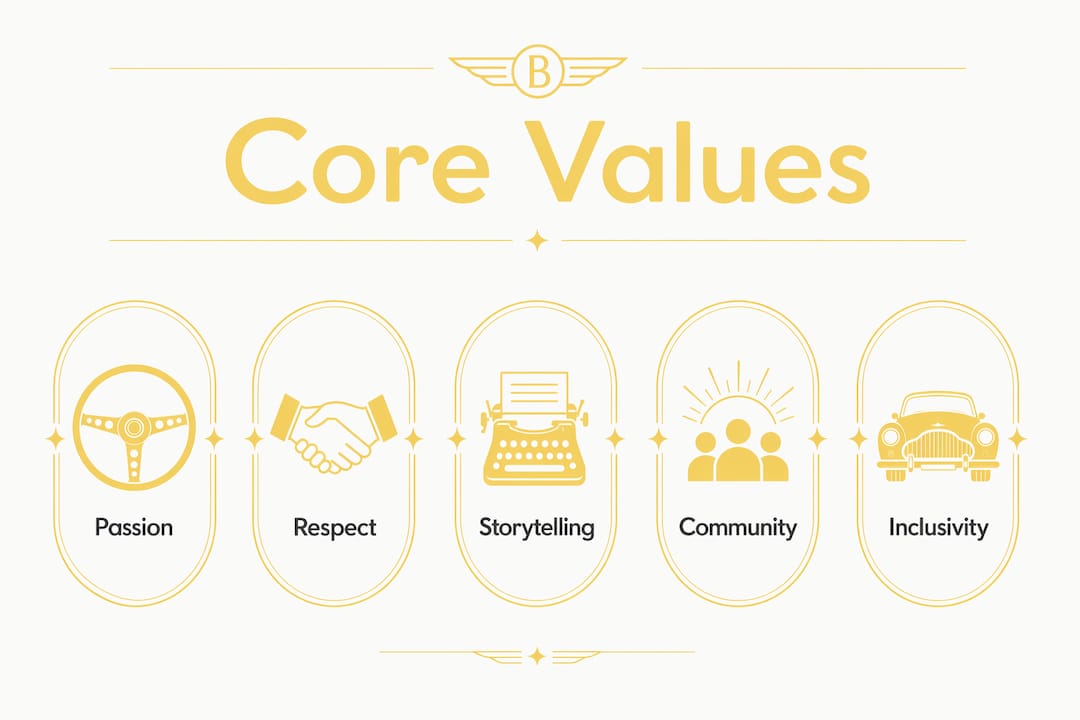
But the values run deeper than terminology. The culture rests on four pillars that every active member recognizes:
- Preservation. The community treats every surviving vehicle as a piece of automotive history worth protecting. Restoration skill is respected as much as ownership.
- Inclusivity. You do not need to own a car to belong. Modern multibrand clubs welcome non-owners, prioritizing shared passion over vehicle possession.
- Storytelling. Members pass down knowledge through conversation, not manuals. The stories behind a car's history, its previous owners, and its restoration journey are treated as cultural currency.
- Mentorship. Experienced restorers actively teach younger enthusiasts. That transfer of skill keeps the community alive across generations.
- Collaboration. Members help each other source parts, troubleshoot mechanical problems, and prepare for shows. The community functions as a collective resource.
Pro Tip: If you are new to the community, lead with curiosity rather than credentials. Ask about a car's history before asking about its specs. You will earn more respect and learn far more.
These values create a culture where the social experience consistently outweighs the technical one. That is what separates vintage car culture from a simple hobby.
How do classic car clubs and informal meets shape the community?
The organizational backbone of classic vehicle culture comes in two forms: formal clubs and informal gatherings. Both serve distinct but complementary roles.
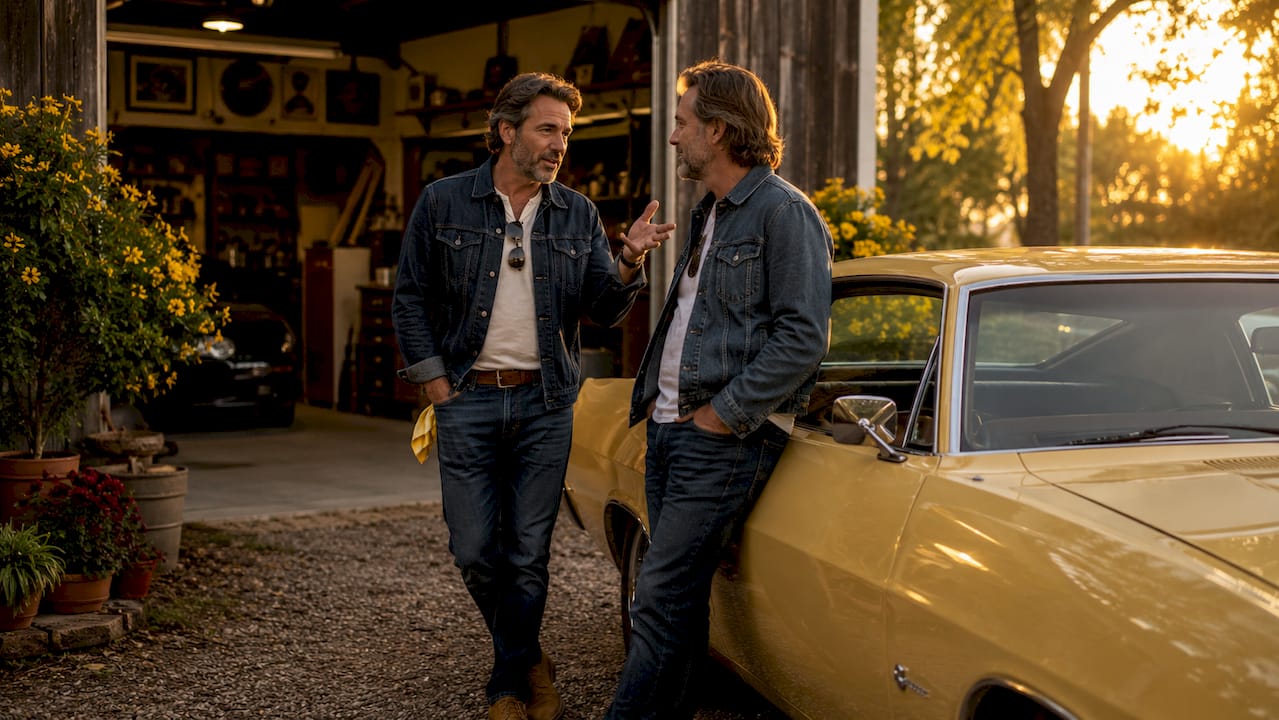
Formal clubs like the Motor City Car Club have operated for over 67 years. Their longevity comes from a family atmosphere, a physical clubhouse, and updated membership rules that keep the culture fresh. The Motor City Car Club holds weekly coffee meetings with no fixed agenda, where members share stories and work on each other's cars. That unstructured format is intentional. It removes pressure and creates the conditions for genuine connection.
Formal clubs typically offer:
- Constitutions and bylaws that protect the community's character
- Annual events, rallies, and shows that anchor the social calendar
- Newsletters and technical resources for members
- Local membership fees ranging from $25 to $30 annually, keeping access affordable
- Charitable events funded by dues, connecting the community to the public
"Stories, some tall, keep Motor City Car Club rolling 67 years on." The club's staying power proves that culture, not chrome, is what keeps people coming back.
Informal meets like Cars and Coffee operate differently. Cars and Coffee gatherings create low-pressure environments where a 70-year-old restorer and a 25-year-old modifier can stand next to the same car and learn from each other. That cross-generational contact is increasingly rare in modern social life. It makes these informal meets one of the most valuable things the automotive history community produces.
The Lancaster Old Car Club adds another dimension by managing historic replicas that serve educational tourism. Clubs like this extend their cultural reach well beyond their own membership, turning private passion into public heritage.
How has classic vehicle culture evolved with new demographics?
Vintage car culture is not static. It shifts with each generation that enters it, and the current wave of change is significant.
The most visible shift is the rise of nostalgia for 1980s and 1990s cars. Radwood events celebrate era-correct aesthetics from those decades, drawing enthusiasts who grew up with those cars and now want to preserve them. This nostalgia-driven interest acts as a gateway. People who come for the Radwood aesthetic often stay for the broader community.
| Traditional club model | Modern community platform model |
|---|---|
| Brand-specific membership | Multibrand, open to all makes |
| Ownership required | Non-owners welcomed |
| Technical focus | Storytelling and experience focus |
| Annual shows as primary events | Regular informal meets plus shows |
| Older demographic | Cross-generational participation |
The shift from brand exclusivity to open community platforms is the most consequential change in the culture. Multibrand clubs now function as community hubs rather than marque societies. They attract people who love automotive history broadly, not just one manufacturer's legacy.
Younger enthusiasts also bring modification culture into the mix. They respect originality but are not bound by it. That tension between preservation and personalization creates healthy debate and keeps the community intellectually alive.
Pro Tip: If your club still requires ownership for membership, consider a "friend of the club" category. Shared ownership models and non-owner memberships consistently grow community size and energy.
What practical benefits does participating in this culture offer you?
The benefits of active participation in vintage car enthusiast culture are concrete and wide-ranging.
- Technical knowledge. You gain access to restoration expertise that no manual fully captures. Experienced members know which suppliers are reliable, which shortcuts fail, and which original parts are still findable.
- Financial appreciation. A 1931 Ford Model A roadster originally cost $395 and is now valued between $15,000 and $25,000. Ford produced roughly 5 million Model A vehicles between 1927 and 1931, with few surviving today. Rarity and community-driven preservation directly increase a vehicle's worth.
- Social connection. The friendships formed at weekly meets and annual shows often span decades. The community provides a social network that is unusually deep and loyal.
- Cultural impact. The vintage car community in Lagos actively pushes for classic car exhibitions to become recognized tourism and cultural attractions. That model is spreading globally. Your participation contributes to a living heritage, not just a personal collection.
- Charitable engagement. Many clubs direct membership dues toward community events and charitable causes, giving members a way to give back through their passion.
Understanding how vintage cars appreciate in value helps you make smarter decisions about which vehicles to acquire and how to care for them. The community accelerates that learning curve significantly.
For those ready to go deeper, joining classic car communities opens doors to events, mentors, and resources that no amount of solo research can replicate.
Key Takeaways
Vintage car community culture thrives on shared values, cross-generational mentorship, and inclusive participation that extends well beyond vehicle ownership.
| Point | Details |
|---|---|
| Culture over ownership | Modern clubs welcome non-owners, prioritizing passion and storytelling over possession. |
| Informal meets matter most | Cars and Coffee-style gatherings drive the most meaningful knowledge transfer across generations. |
| Financial and cultural value | Preserved vehicles like the Ford Model A show that community care directly increases a car's worth. |
| Evolution is healthy | Radwood and multibrand clubs prove the culture grows stronger by welcoming new demographics. |
| Participation pays off | Active members gain technical knowledge, lasting friendships, and real investment insight. |
Why informal meets matter more than headline shows
I have been around this community long enough to say something that might surprise you: the big shows are not where the culture lives. The culture lives on a Saturday morning in a parking lot with bad coffee and a stranger who has been restoring the same model you just bought.
Cross-generational mentorship is the lifeblood of this community, and it almost never happens at a formal show. It happens at Cars and Coffee, at a club's weekly meeting, at a swap meet where someone pulls you aside to tell you exactly which part you are about to overpay for. Those moments are irreplaceable.
What I have also noticed is that the communities doing best right now are the ones that stopped gatekeeping. The clubs that dropped ownership requirements, welcomed modifiers alongside purists, and made room for people who just love the history. They are growing. The ones holding rigid lines are shrinking.
If you are new to this world, do not wait until you have a car to show up. Show up now. Bring your curiosity. The community will meet you there.
— Tony
Explore vintage cars with Butterclassics
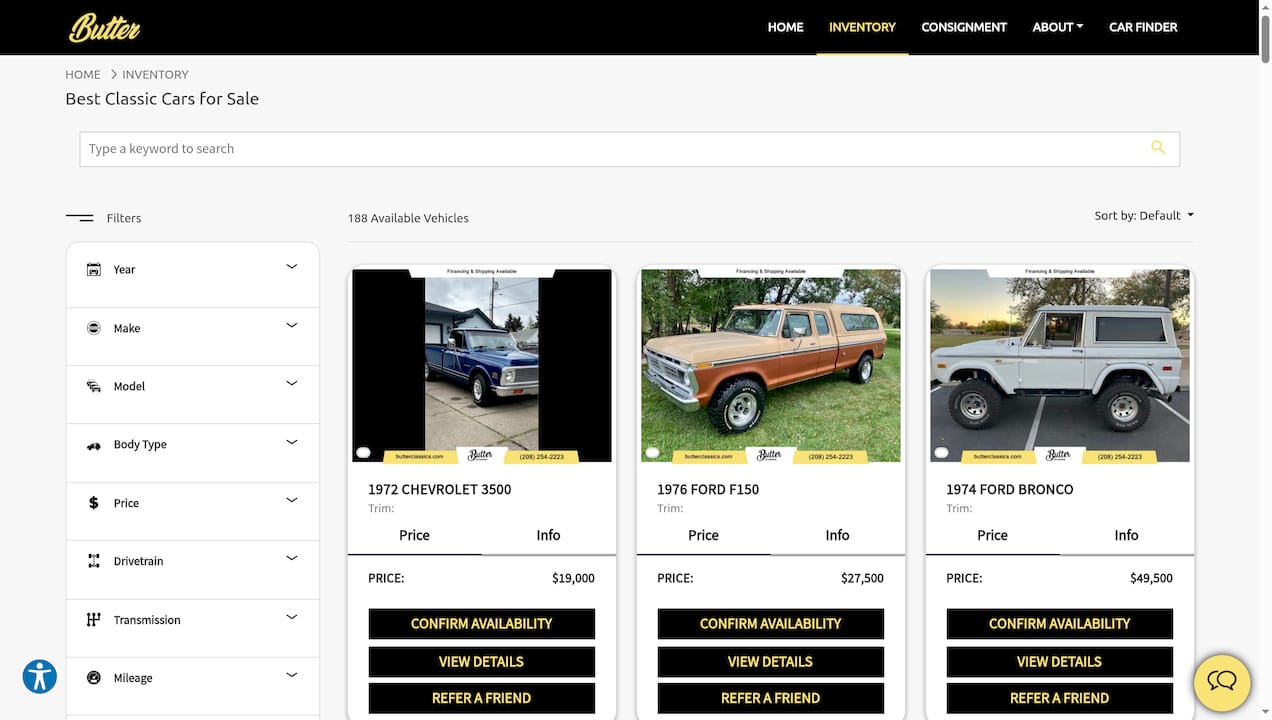
Butterclassics exists for people who take classic vehicle culture seriously. The inventory covers everything from pre-war collector cars to muscle cars, Broncos, and Corvettes, all presented with detailed specs and high-quality images so you can make a confident decision. Every Butter Certified vehicle goes through a quality and provenance check, so you know exactly what you are getting. Whether you are buying your first collectible or adding to an established collection, Butterclassics makes the process smooth as butter. Browse the full classic car inventory and find the car that fits your story.
FAQ
What is vintage car community culture?
Vintage car community culture is a social ecosystem built around the shared preservation, celebration, and storytelling of classic and historic automobiles. It connects enthusiasts across generations through mutual respect, mentorship, and a passion for automotive history.
Do you need to own a car to join a vintage car club?
No. Modern multibrand clubs actively welcome non-owners, prioritizing shared passion and community participation over vehicle possession. Many clubs offer open membership categories specifically for enthusiasts without a car.
What do classic car clubs typically cost to join?
Local club membership fees typically range from $25 to $30 annually. That covers access to newsletters, events, and community activities, with some clubs accepting dues through digital payment apps like Zelle.
What makes a car a "Full Classic" according to the Classic Car Club of America?
The Classic Car Club of America defines a Full Classic as a vehicle produced between 1915 and 1948, built in limited quantities, with bespoke coachwork and luxury features. This precise standard reflects the community's commitment to recognized terminology and cultural legitimacy.
How do vintage cars hold financial value over time?
Rarity and community-driven preservation directly increase a vehicle's worth. A 1931 Ford Model A originally priced at $395 now sells for between $15,000 and $25,000, demonstrating how active community care translates into long-term financial appreciation.