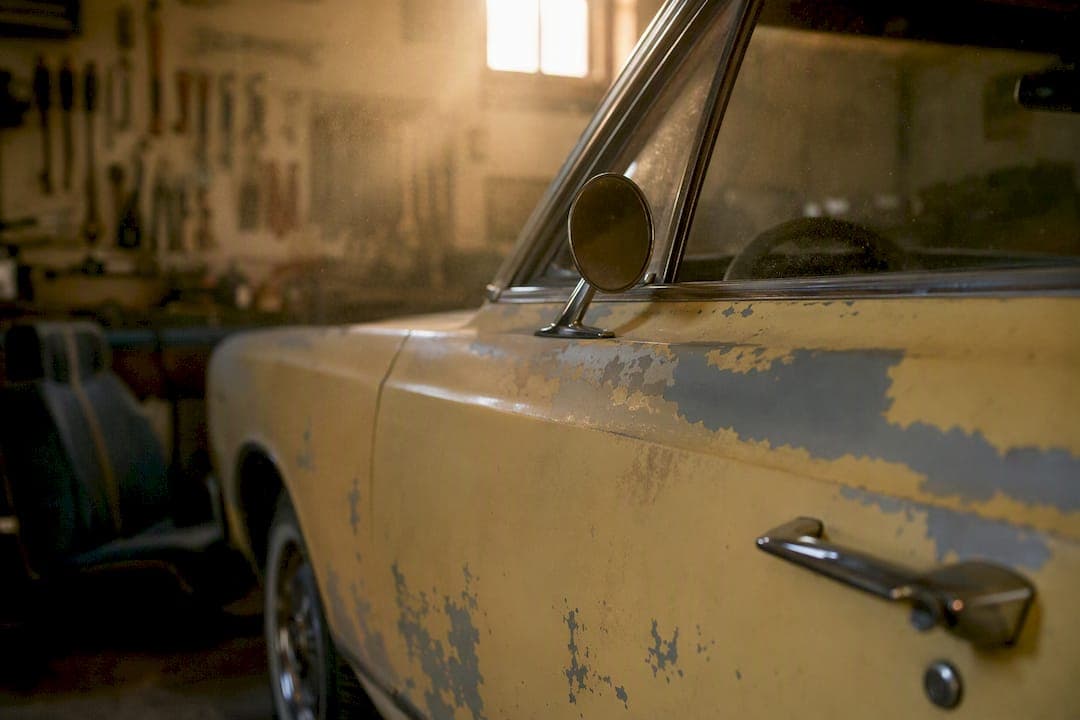
A survivor car is a classic vehicle that remains substantially unaltered from its factory-built condition, with original paint, interior, and drivetrain intact and documentation to back it up. That is the definition clubs like the AACA, contests like Bloomington Gold, and outlets like Hagerty Media all circle back to, even when their exact wording differs. Here is what to check first when you are sizing one up:
- Original paint still on the body, with no full respray
- Original interior, including seats, dash, and door panels
- Matching drivetrain, meaning the engine and transmission the car left the factory with
- Documented provenance, such as a build sheet or original title history
- Majority unrestored condition, not just one clean panel hiding a tired chassis
A car with a full repaint and a "barely used" interior usually cannot, no matter how good it looks in photos.*
True survivors are rare enough that top examples routinely outsell nicely restored counterparts of the same model at auction, because you can restore a car back to showroom shine, but you cannot manufacture 60 years of untouched factory paint.
Key Takeaways
A survivor car is defined by majority-original paint, interior, and drivetrain plus documentation, not by age or rarity alone.
| Point | Details |
|---|---|
| Core definition | A survivor keeps its original paint, interior, and drivetrain largely intact, backed by documentation. |
| No universal number | Informal rules like 20-plus years and 50% unrestored exist but vary by organization. |
| Formal standards differ | Bloomington Gold's trademarked Survivor standard applies specifically to Corvettes but shapes broader usage. |
| Verification requires paperwork and inspection | Build sheets, service records, matching numbers, and underside checks confirm originality claims. |
| Butterclassics lists condition transparently | Survivor-condition inventory includes documented originality details to help buyers evaluate before purchase. |
Table of Contents
- What Counts as "Original" and "Unrestored" in Practice
- How AACA, Bloomington Gold, and Museums Define "Survivor"
- How to Verify a Car's Survivor Status Before You Buy
- Why Survivor Status Drives Value in the Collector Market
- Keeping a Survivor Authentic While Still Roadworthy
- Preserve It or Drive It? A Realistic Take
- Find or Sell a Survivor Through Butter Classics
- Sources
What Counts as "Original" and "Unrestored" in Practice
Judges and serious buyers break a car into component groups rather than eyeballing it as a whole. Getting familiar with these categories is the fastest way to stop guessing and start evaluating like someone who actually knows what a survivor car definition demands in practice.
- Paint and body: factory finish, factory overspray in door jambs and trunk edges, original decals or stickers
- Interior: original upholstery, carpet, headliner, and dash components, even if worn
- Drivetrain: matching-numbers engine and transmission, original carburetor or fuel system
- Glass and trim: factory date codes on glass, original chrome and brightwork, unmodified badging
- Underside and chassis: factory undercoating, original exhaust hangers, unwelded frame rails
Routine maintenance does not disqualify a car. Fluids, belts, tires, and a battery swap are expected upkeep, not restoration. The line gets blurry with partial repaints (a single fender after a parking-lot scrape), replaced panels (rust repair on a rocker), or period-correct repairs done decades ago with factory parts. Most judging bodies treat these as acceptable wear-and-tear if they are minor, documented, and don't touch the majority of the car's original surfaces. A full repaint job, reupholstered seats, or a rebuilt engine with non-original internals moves a car out of survivor territory and into "restored" or "modified," even if the work is excellent.
How AACA, Bloomington Gold, and Museums Define "Survivor"
Different institutions apply the term with different rigor, and knowing which standard someone is citing matters when you're comparing two "survivor" listings side by side.
- The AACA's judging guidelines give judges objective criteria for scoring originality and preservation, rather than a single pass/fail survivor label.
- Bloomington Gold trademarked "Survivor" specifically for Corvettes, requiring majority-original finishes across the body, engine bay, interior, and underside. Its influence now shapes how collectors talk about non-Corvettes too.
- The AACA Museum's Survivors exhibit frames unrestored cars as rolling time capsules, valuable precisely because they show what a factory actually produced.
"Survivor" carries both a trademarked, model-specific meaning tied to Bloomington Gold's Corvette program and a looser hobby meaning that simply prizes majority-original finishes over a car's age or rarity alone.
That gap between formal and informal usage is exactly why a seller's "survivor" claim needs a second look before it sets the price.
How to Verify a Car's Survivor Status Before You Buy
Verification comes down to paperwork and a careful walk-around, in that order.
- Request the documents first: build sheet, original bill of sale, service records, and a clean title history. A build sheet tells you what the car left the factory with, so you can compare it against what's on the car today.
- Inspect the physical details: check for consistent paint depth across panels, factory fasteners (not hardware-store replacements), date codes on the glass, and matching numbers on the engine and transmission.
- Check the underside: factory undercoating and original exhaust hangers are hard to fake and easy to spot once you know what to look for.
- Pull a history report for title and accident records, then decide whether the car warrants a professional authentication or formal club judging before you commit real money.
Pro Tip: Photograph everything during inspection, even details that seem irrelevant. A classic car authentication specialist can often catch inconsistencies from photos that you'd miss standing next to the car.
Why Survivor Status Drives Value in the Collector Market
Originality is scarce because it is the one thing a restoration shop can't recreate, no matter the budget. A factory paint job, factory-installed wiring, and untouched upholstery are unrepeatable artifacts of a specific assembly line on a specific day.
- Serious collectors and investment buyers often pay a premium for documented survivors over restored examples of the same model and year.
- Restored cars trade on how good the work looks today; survivors trade on how much of the original factory car remains.
- That premium pushes many owners toward a preservation mindset: limited driving, climate-controlled storage, and insurance policies written specifically for low-mileage originals.
This is also where understanding collector car value as a broader category helps, since not every collectible is a survivor, and not every survivor is automatically the most valuable version of its model.
Keeping a Survivor Authentic While Still Roadworthy
Preservation and usability aren't mutually exclusive, but they require a different mindset than a typical restoration project.
- Favor repair over replacement wherever possible, and source period-correct parts when a component genuinely needs attention.
- Document every intervention, no matter how small, with photos and receipts. That paper trail protects value down the road.
- Store the car with breathable covers and climate control rather than sealed environments that trap moisture against original paint.
- Modern safety upgrades, like a period-appropriate battery upgrade, can improve reliability without disturbing original finishes, as long as you document the change.
Pro Tip: Before touching the chrome trim or bodywork, consult a factory color code guide so any touch-up matches the original finish exactly rather than a modern reformulation.
Preserve It or Drive It? A Realistic Take
Hagerty's own writers have described the tension survivor owners feel between protecting a car's finishes and actually enjoying it on the road, and that tension is real, not manufactured hype. There's no clean answer, but there's a practical one: know what you own before you decide how to treat it.
A "survivor" with a questionable repaint and no paperwork is closer to a nicely kept driver, and treating it with the same reverence just limits your enjoyment for no real gain. At Butterclassics, listings that carry survivor-level originality are flagged clearly, with the documentation and condition details buyers need to make that call themselves, because guessing shouldn't be part of a purchase this size.
— Tony
Find or Sell a Survivor Through Butter Classics
Butterclassics gives survivor-car buyers something most private sales can't: verified listings with the paint, interior, and drivetrain details laid out up front, so you're not relying on a seller's word alone.
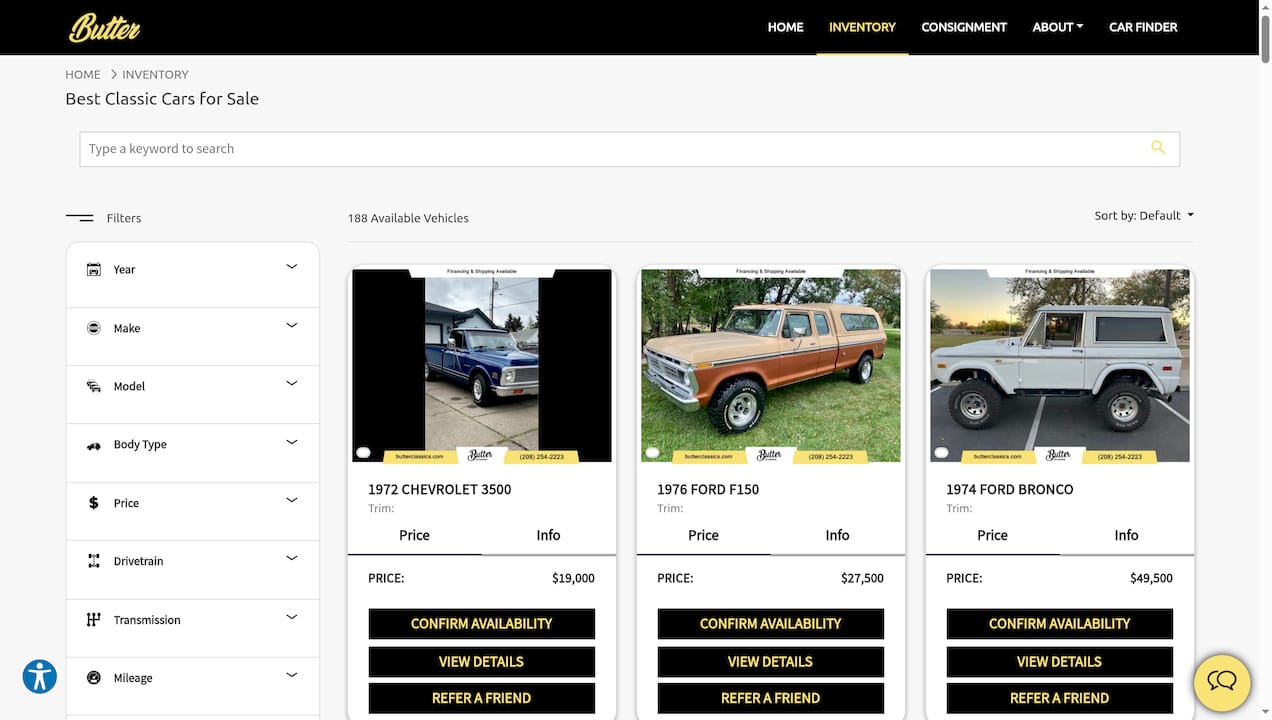
Browse the current classic car inventory to see survivor-condition examples alongside fully restored options, with photos and specs detailed enough to judge originality before you ever schedule a test drive. If you're hunting for a specific model in survivor condition, the car finder service does the legwork for you. And if you own a documented survivor and want expert help presenting it to serious buyers, Butterclassics's consignment program handles the listing details that matter most to collectors. Start by searching current inventory or requesting a car finder consultation today.