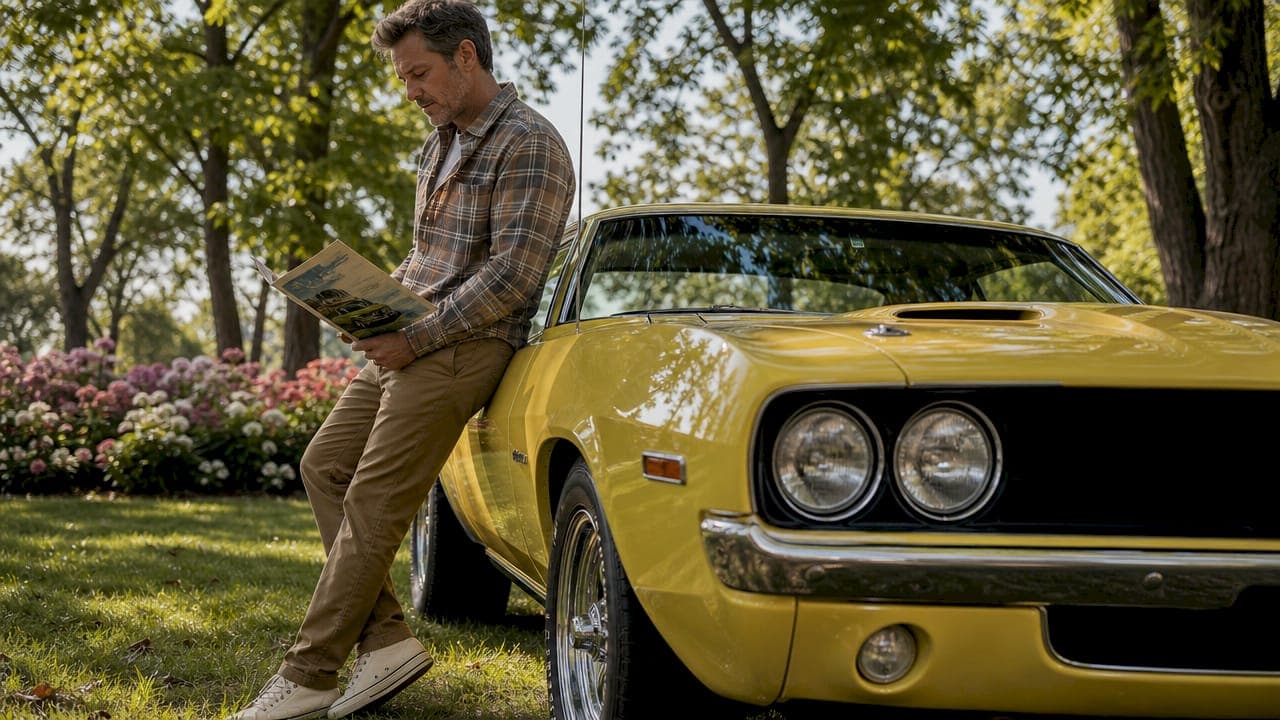
An emerging collectible car is defined as a vehicle transitioning from standard used car status to a recognized investment asset, typically 20 or more years old, culturally or technologically significant, and increasingly scarce in well-preserved condition. The industry term for this category is "emerging classic," and understanding it separates smart buyers from those who overpay for hype. The collectible car market is valued at around €45 billion as of Q2 2026, with muscle cars up 1.15% year over year and pony cars up 0.92%. Those numbers tell you one thing clearly: not every old car rises, but the right ones do. Knowing what is an emerging collectible car before you buy is the edge that separates a great acquisition from an expensive mistake.
What factors determine when a car becomes an emerging collectible?
An emerging collectible car is generally 20 or more years old, culturally or technologically meaningful, and showing a shrinking supply of high-condition original examples. That combination is what separates a future collectible from a car that simply aged. Age alone never makes a car valuable. Context does.
Several factors work together to push a vehicle into emerging collectible territory:
- Age threshold. The 20-year mark is the widely accepted starting point. It aligns with generational memory cycles and insurance classification standards in most states.
- Cultural or technological significance. A car that defined an era, introduced a new platform, or appeared in a landmark film carries weight beyond its specs.
- Rarity of surviving examples. High production numbers mean nothing if most examples were driven hard and scrapped. Scarcity of clean, original survivors drives value.
- Enthusiast community support. Active clubs, dedicated forums, and specialty publications signal that a car has a committed base. That base sustains demand over decades.
- Organic interest over hype. Cars that were underappreciated initially but are now scarce often outperform cars that launched with instant collector fanfare.
The distinction between an "instant collectible" and an organically emerging one matters a lot for investors. Instant collectibles, like limited-edition factory specials, are priced at a premium from day one. Emerging classics, by contrast, spend years flying under the radar before the market catches up. That gap is where real value gets created.
1980s and 1990s vehicles sit squarely in this zone right now. Fox Body Mustangs, third-generation Camaros, and early Japanese performance cars were everyday drivers a decade ago. Today, clean examples command serious attention and rising prices.
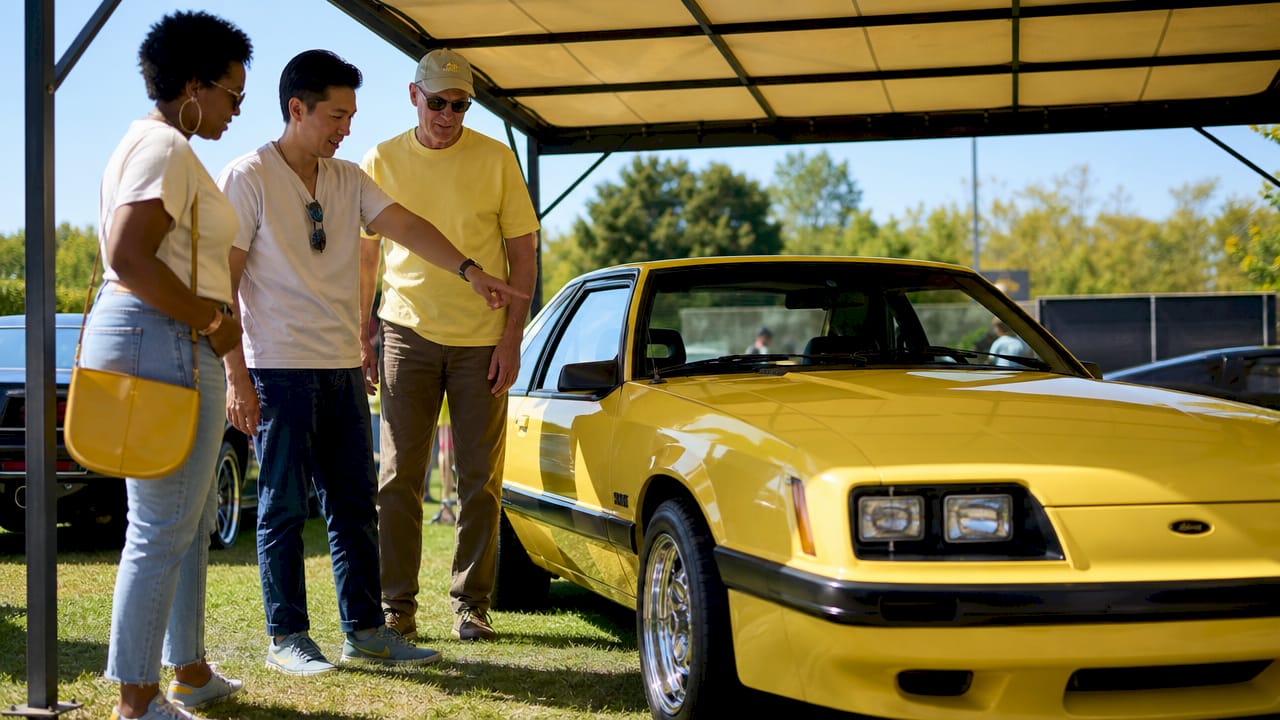
Pro Tip: Look for cars with a strong enthusiast community but modest current prices. That gap between passion and price is the signal that a vehicle is still in its emerging phase.
How does generational wealth and nostalgia drive emerging collectible demand?
Collector demand follows a predictable 20 to 30 year cycle. The cars you loved at 16 become the cars you can finally afford at 45. That cycle is the single most reliable predictor of which vehicles will transition into emerging classic cars over the next decade.
Gen X, now in their 40s and 50s, is the generation reshaping collector demand right now. Gen X collectors are gravitating toward Fox Body Mustangs, Acura NSXs, and Japanese performance icons like the Toyota Supra and Nissan Skyline GT-R. These are the cars they grew up watching in movies, racing in video games, and dreaming about in high school parking lots. Boomers built their collections around American muscle from the 1960s and early 1970s. Gen X is doing the same thing, just one generation later, with different vehicles.
This shift has concrete market implications:
- Fox Body Mustangs (1979 to 1993) have moved from cheap project cars to legitimate collectibles with prices rising steadily.
- Japanese performance cars from the late 1980s and 1990s now attract international buyers, pushing prices well above what domestic demand alone would support.
- Early SUVs and trucks, including first-generation Ford Broncos and square-body Chevrolet trucks, are benefiting from the same nostalgia cycle among Gen X buyers.
Collector demand shifts with generational purchasing power, and that shift is accelerating. As Boomers age out of active collecting, their capital and attention move to estate sales and established blue-chip classics. Gen X steps in to fill the gap with their own favorites, creating new demand floors under vehicles that were previously ignored.
Pro Tip: Map your investment timeline to generational cycles. If a vehicle was popular with a generation now entering peak earning years, you are likely still early in its appreciation curve.
What market trends define emerging collectible car value in 2026?
The collectible car market in 2026 rewards specificity. Broad categories like "American classics" are down 2.38% year over year, while focused segments like muscle cars and pony cars are posting positive growth. That divergence tells you the market is maturing and getting selective.
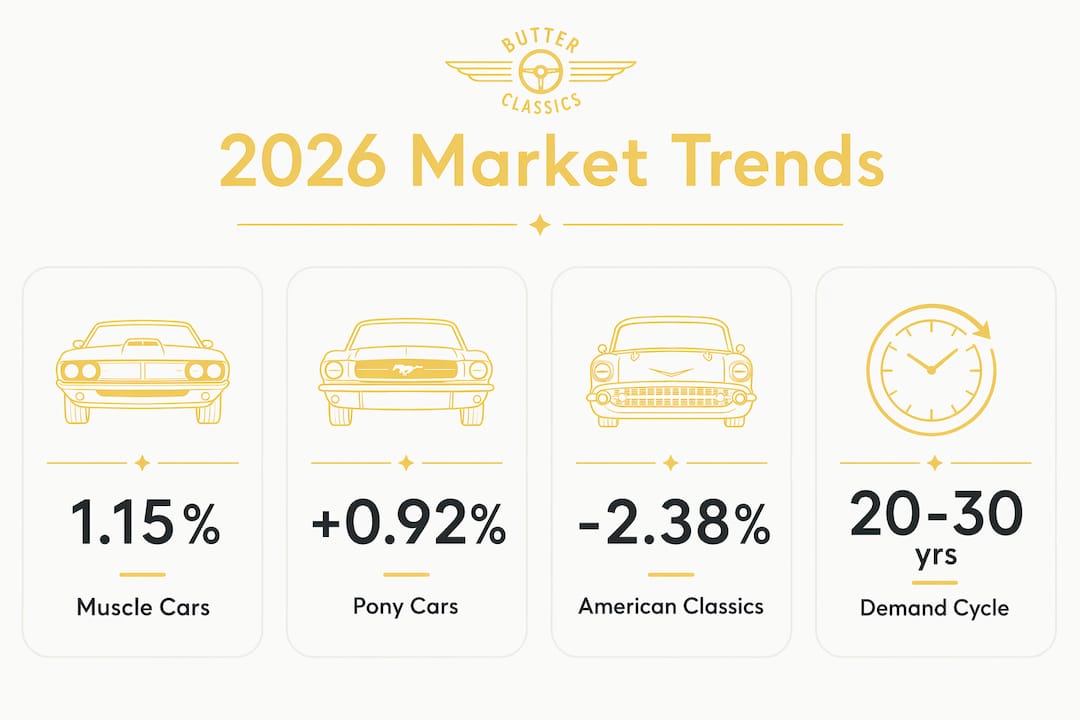
| Segment | 2026 YOY Change | Key Driver |
|---|---|---|
| Muscle Cars | +1.15% | Gen X demand, usability appeal |
| Pony Cars | +0.92% | Cultural nostalgia, strong club networks |
| American Classics | -2.38% | Aging Boomer collector base, high entry cost |
| Japanese Performance | Rising | International demand, scarcity of clean examples |
Collectors in 2026 prefer cars that are usable and enjoyable to drive over static display pieces. That preference is reshaping which vehicles attract serious money. A car you can take to a weekend cruise, a track day, or a road trip holds more appeal than one that sits behind velvet ropes. This shift toward the authentic driving experience is not a trend. It is a structural change in what collectors value.
Cultural infrastructure is the other major value driver that most buyers overlook. Active clubs, dedicated media, and available maintenance knowledge predict future appreciation better than short-term price spikes. A car with a thriving owner community will always be easier to maintain, authenticate, and eventually sell than one with no support network. When you are evaluating a future collectible, check the club membership numbers and the forum activity before you check the asking price.
Pro Tip: Avoid vehicles where parts supply is drying up with no aftermarket support. A car you cannot maintain is a car you cannot enjoy or sell at a premium.
How to identify and authenticate an emerging collectible car?
Authentication is the step most buyers rush, and it is the step that costs them the most money. A car that looks original but is not numbers-matching can lose 30 to 50 percent of its potential value. Getting this right before you buy protects your investment from day one.
Follow these steps in order:
- Decode the VIN. The Vehicle Identification Number tells you the model year, assembly plant, engine code, and production sequence. Cross-reference it against published factory decoder guides for the specific make and model.
- Check the trim tag. Most American vehicles from the 1960s through the 1990s carry a trim tag on the firewall or door jamb. It records the original paint code, interior color, and build options. A missing or altered trim tag is a red flag.
- Verify engine casting numbers. Numbers-matching verification involves confirming that the engine casting numbers match the VIN and the build date. An engine swap, even a correct-spec replacement, reduces collector value significantly.
- Consult a marque-specific club. Collector communities maintain detailed knowledge of rare build years, option combinations, and known fakes that often surpasses published guides. A 30-minute conversation with a club expert can save you thousands.
- Assess factory originality. Original paint, original interior, and unrestored mechanical components carry a premium. A well-documented, numbers-matching car in honest original condition almost always outperforms a heavily restored example at auction.
You can learn more about the full process in this authentication guide for collectors. The key principle is simple: trust documentation over appearance. A car can look perfect and still be a financial trap if the paperwork does not support the story.
Key takeaways
An emerging collectible car is defined by age, cultural significance, rarity, and community support. Buying one before the market fully recognizes it requires understanding generational cycles, authentication standards, and the cultural infrastructure that sustains long-term value.
| Point | Details |
|---|---|
| Age and significance matter most | A car needs 20 or more years of age plus cultural or technological relevance to qualify as an emerging collectible. |
| Generational cycles drive demand | Gen X purchasing power is now pushing 1980s and 1990s vehicles into serious collector territory. |
| Market segments diverge sharply | Muscle and pony cars show positive growth in 2026 while broader American classic categories decline. |
| Authentication protects your investment | Numbers-matching verification through VIN, trim tags, and engine casting numbers is non-negotiable before buying. |
| Cultural infrastructure predicts appreciation | Strong clubs, active media, and available parts support sustain value better than short-term price trends. |
Why I think most collectors are still too early on 1990s Japanese cars
Most collectors I talk to are still treating 1990s Japanese performance cars as enthusiast purchases rather than investment-grade assets. That window is closing fast. The Acura NSX, the Toyota Supra, and the Nissan Skyline GT-R are not emerging collectibles anymore. They have emerged. But the second tier, the Mazda RX-7 FD, the Mitsubishi 3000GT VR-4, the Honda Prelude Type SH, still has room to run.
What I have learned from watching this market is that emotional connection and investment logic are not opposites. The collectors who do best are the ones who genuinely love the cars they buy. That love keeps them patient through flat markets, and patience is what turns a good purchase into a great one. The people who buy purely on speculation tend to sell at the wrong time.
The one thing I would caution against is chasing cars without cultural infrastructure. A vehicle with no active club, no dedicated media, and no specialist mechanics is a liability dressed up as an asset. Before you buy anything, check whether the vintage car community around that model is growing or shrinking. A growing community is your best insurance policy.
My honest advice: build a portfolio that mixes one or two established classics with two or three emerging ones. The established cars give you stability. The emerging ones give you upside. That balance lets you enjoy the hobby without betting everything on a single generational trend.
— Tony
Butterclassics and the emerging collectible market
Butterclassics curates a hand-picked inventory of classic and vintage vehicles for collectors at every stage, from first-time buyers to serious investors building long-term portfolios.
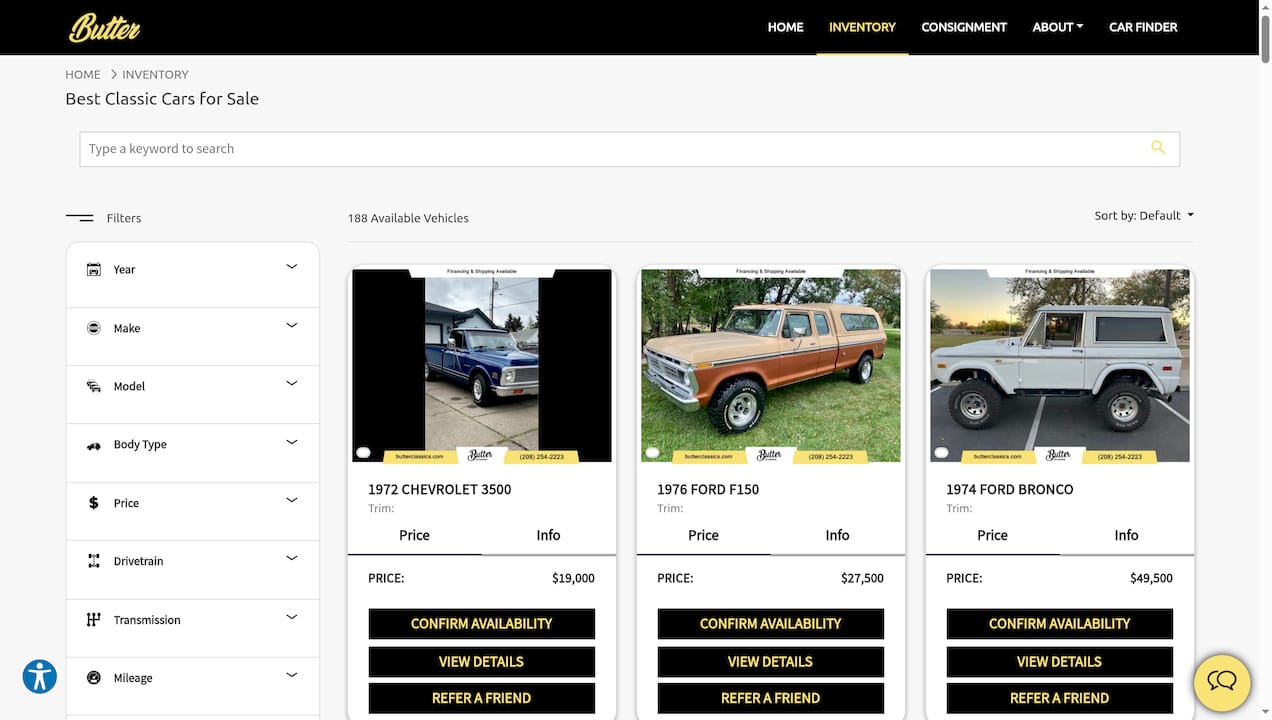
Every vehicle in the Butterclassics collection is selected for quality, originality, and collector appeal. The team understands what makes a car worth owning for the long haul, and that knowledge shows up in every listing. Whether you are hunting for a certified collectible with full authentication documentation or browsing the broader Butterclassics inventory for your next great find, you will get top-notch service and vehicles that are smooth as butter. The community, the expertise, and the cars are all here waiting for you.
FAQ
What is an emerging collectible car?
An emerging collectible car is a vehicle, generally 20 or more years old, that is transitioning from used car status to a recognized investment asset due to cultural significance, growing scarcity, and rising enthusiast demand. It differs from an established classic by still being in the early stages of market appreciation.
What makes a car collectible vs. just old?
Age alone does not make a car collectible. Cultural or technological significance, a strong enthusiast community, and a shrinking supply of well-preserved original examples are the factors that separate a future collectible from a car that simply aged out of daily use.
How do I identify an emerging collectible car?
Start by decoding the VIN, verifying the trim tag, and confirming engine casting numbers for a numbers-matching status. Consulting a marque-specific club is one of the most reliable ways to confirm authenticity and identify rare build combinations.
Which car segments are rising in 2026?
Muscle cars are up 1.15% and pony cars are up 0.92% year over year as of Q2 2026, driven by Gen X demand and a market preference for usable, drivable vehicles. Japanese performance cars from the 1980s and 1990s are also attracting strong international interest.
Are 1990s cars good investment vehicles?
Many 1990s vehicles, particularly Japanese performance cars and American pony cars, are in the early stages of collector appreciation and still offer strong upside. The best candidates combine cultural significance, a growing enthusiast community, and a shrinking pool of clean, original examples.