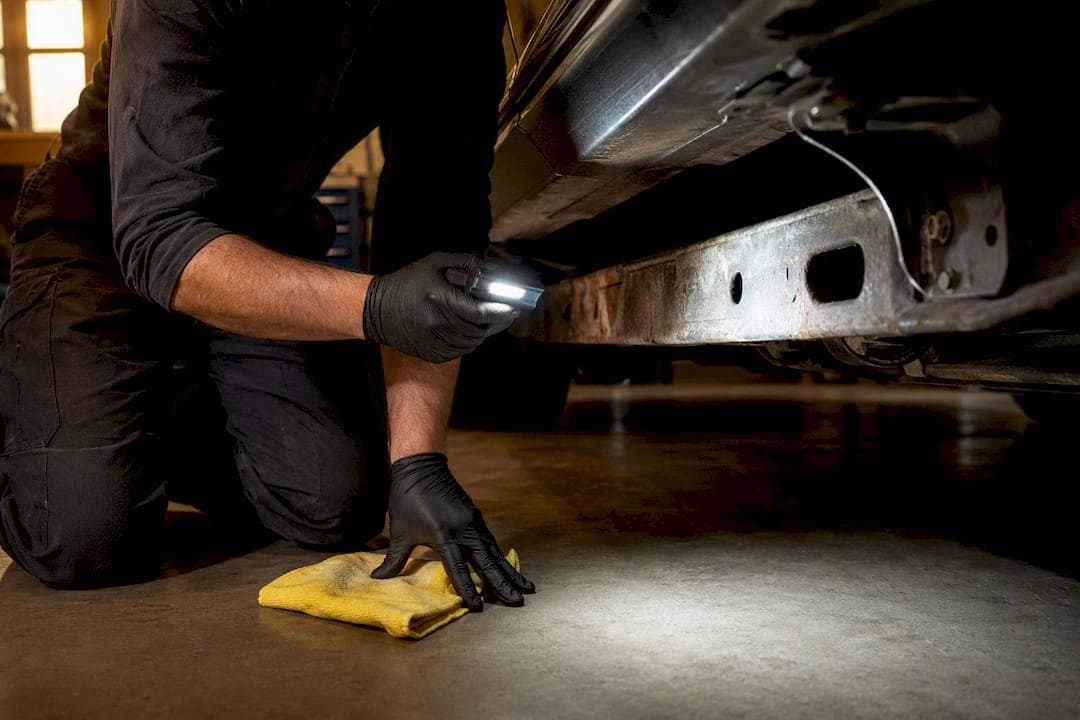
Pick your lane first: classic, retro modern restomod, or modern muscle. Insist on a frame check, a VIN and numbers-matching review, and a real test drive before you hand over a dime.
TL;DR:
- Classic muscle cars require thorough frame and rust inspections, especially in structural and load-bearing areas, due to high repair costs.
- Budgeting should include contingency funds of 15 to 20 percent for unexpected expenses beyond the initial purchase price.
- Restomod and modern muscle vehicles are better suited for daily driving and reliability but may lack originality and resale value.
- Pre-purchase checks must prioritize structural integrity, VIN and component matching, mechanical testing, and a comprehensive test drive.
- Verification of paperwork with titles, receipts, and escrow services is essential to prevent fraud and avoid costly legal complications.
Table of Contents
- Define Your Why and Set a Realistic Budget
- Which Era of Muscle Car Actually Fits You?
- What Should Be On Your Pre-Purchase Inspection Checklist?
- How Do You Verify Paperwork and Pay Safely?
- What Does It Actually Cost to Own a Muscle Car?
- Where to Get Expert Help You Can Trust
- Buy to Keep, Restore, or Flip?
- Browse Inventory, Get Pre-Qualified, and Schedule a Test Drive
- Sources
- FAQ
Define Your Why and Set a Realistic Budget
Every smart purchase starts with a plain answer to one question: what is this car actually for? A weekend cruiser, a daily driver, a show car, or an investment piece each point you toward a different price range and a different tolerance for project work.
Your budget needs more than a purchase number. Build it out with these line items:
- Purchase price for the car itself, based on condition and originality
- Inspection fee, typically $150 to $600 depending on distance and depth
- Transport costs if the car is out of state
- Initial mechanical work most sellers won't disclose upfront
- Parts scarcity premiums, especially on rare trim or factory options
- Storage and insurance from day one, not "eventually"
Checklist guides built specifically for muscle car shoppers recommend padding your total budget by 15 to 20% for contingency, and that number holds up in practice. Set aside a separate annual running budget too. A car that's smooth as butter on the showroom floor can still throw a curveball six months into ownership. For a deeper look at planning past the first purchase, see our guide on building a classic car collection that lasts.
Which Era of Muscle Car Actually Fits You?
Not every muscle car wears the same risks. The era you choose changes what you inspect for, what you'll pay for parts, and how much patience you'll need.
- Classic (1960s to 1970s): the historically recognized muscle car checklist calls for a high-performance V8, an intermediate body style, two doors, rear-wheel drive, and dual exhaust. These cars carry the most soul and the most mechanical unknowns. Originality matters here, and parts scarcity is real.
- Retro-modern restomod: a classic body built around a modern drivetrain, suspension, and brakes. Great for buyers who want vintage looks with daily-driver reliability, but originality takes a back seat.
- Modern muscle: current Mustangs, Chargers, and Camaros deliver far better drivability and available tech, though ownership tradeoffs still vary widely by model.
If your goal is collector value, lean original. If your goal is a car you'll actually drive every week, a restomod or modern muscle car removes most of the headaches classic ownership brings.
What Should Be On Your Pre-Purchase Inspection Checklist?
Cosmetics lie. A car with a flawless paint job can still be hiding a cracked torque box underneath, and glossy new paint is one of the oldest tricks for masking corrosion in the used muscle car market. Work the checklist in this order:
- Frame and structural integrity first. This is the single most expensive category to repair, and specialist inspection guides consistently rank it above bodywork or cosmetics in priority. Poor-quality welds on torque boxes or spring hangers can quietly compromise the whole car.
- Rust hotspots second. Check trunk floors, rear quarter panels, floor pans, and rocker panels. A flashlight and a simple magnet (to detect body filler over rust) go a long way here.
- VIN and numbers-matching third. Cross-check the VIN stamps on the engine, transmission, and chassis. Mismatched components are one of the most common causes of buyer regret on classic purchases.
- Mechanicals fourth. Engine compression, transmission shift quality, brake response, suspension bushings, and electrical function all need real-world testing, not a glance under the hood.
- Test drive last, but never skipped. Listen for knocks, feel for pulling under braking, and check how the car handles at both low and highway speed. Our test drive checklist walks through what to listen for.
Document everything in photos, especially the underside and any weld seams, and have an independent inspector verify anything you can't confirm yourself.
Pro Tip: If a seller resists an independent inspection or pushes hard for a fast, sight-unseen deal, walk away. That single red flag has ended more good-looking deals than any rust spot ever will.

How Do You Verify Paperwork and Pay Safely?
Paperwork problems sink more deals than mechanical ones, and they're entirely avoidable if you're thorough before you pay.
- Demand the title, a signed bill of sale, and a lien release if any loan was ever attached to the car.
- Ask for restoration receipts and the original build sheet to confirm both work history and factory specs.
- For out-of-state or high-value purchases, use an escrow service. Escrow until title and VIN verification are complete, which removes most of the risk from remote deals.
- Line up transport early and confirm your state's registration and transfer requirements before the car arrives.
What Does It Actually Cost to Own a Muscle Car?
Buying the car is step one. Keeping it running and protected is where a lot of new owners underestimate their annual spend.
- Storage: a climate-controlled garage preserves paint, upholstery, and rubber far better than an outdoor cover ever will.
- Insurance: collector policies with agreed value coverage and mileage limits usually cost less than standard policies for cars driven sparingly.
- Maintenance: budget for age-related wear, not just breakdowns. Fluids, hoses, and gaskets degrade even when a car sits.
- Parts sourcing: build a relationship with a specialist rather than chasing the cheapest listing online. For performance upgrades or hard-to-find components, a shop like Underground Dynamics is worth having in your contacts.
Review our storage options guide before you settle on where the car will live.
Where to Get Expert Help You Can Trust
Nobody buys a muscle car alone, not successfully anyway.
- Choose an independent inspector with muscle car specific experience, and expect a written report covering frame condition, compression numbers, and undercarriage photos.
- Bring in a frame or restoration specialist before you commit to any car with visible structural repair, and ask directly what grade of steel and welding technique was used.
- Marque clubs and registries are some of the best places to validate provenance. Many owners there can confirm build sheets against known production records.
- Expert sellers and inspectors are available to help buyers work through this process and connect with trusted parties across the marketplace.
Buy to Keep, Restore, or Flip?
Decide your timeline before you decide your car. If you'll love driving it regardless of resale, buy for keeps. If you enjoy the process itself, a restoration project pays you back in satisfaction more than dollars. Flipping only works with a tight budget and a firm exit price in mind.
— Tony
Browse Inventory, Get Pre-Qualified, and Schedule a Test Drive
The marketplace platform supports this buying process by offering detailed listings with real specs and high-quality photos, financing pre-qualification, and options to schedule test drives or request quotes directly.
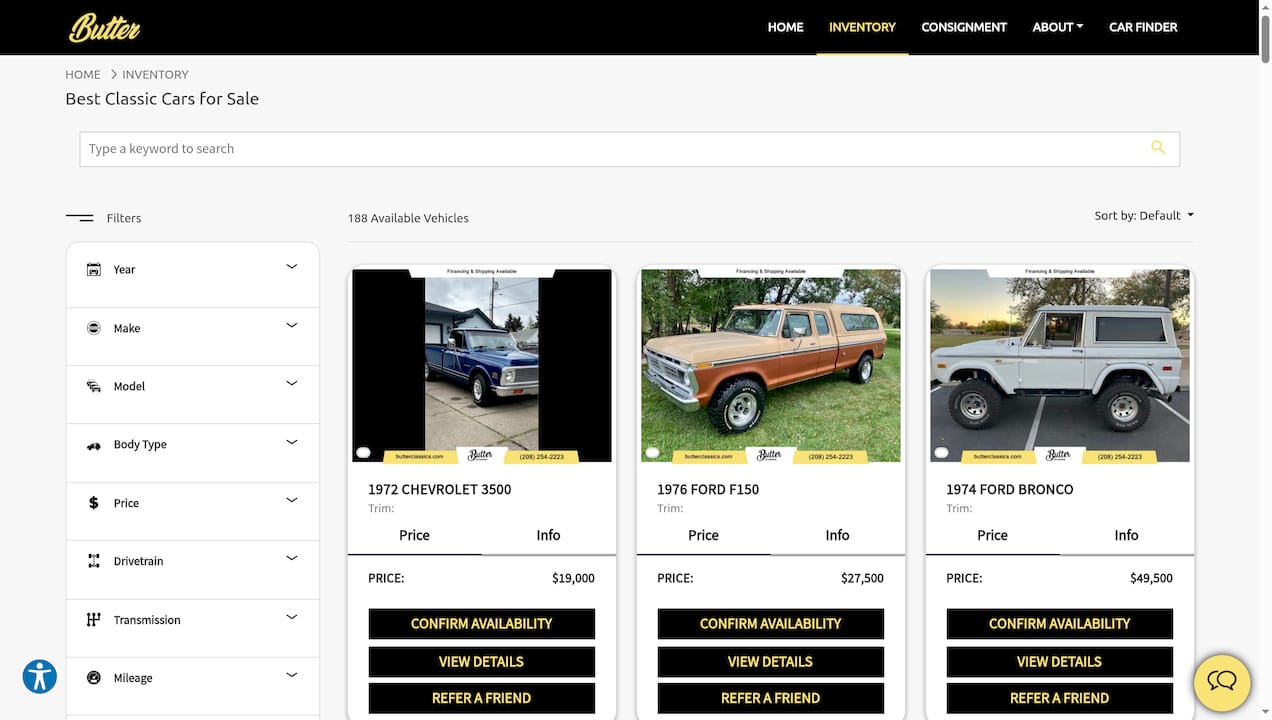
Some marketplace platforms provide consignment services that handle listing and buyer vetting for sellers. And if you already know the model you want but can't find it locally, the Car Finder tool does the legwork. Ready to see what's available right now? Browse current inventory and start narrowing your shortlist today.
Sources
- What is a muscle car? (iSeeCars)
- Things to know before buying your first muscle car (Driven Racing Oil blog)
- The Ultimate Muscle Car Buying Checklist (Test Drive Tech)
- How to buy a classic muscle car: checklist, red flags, and real costs (Mark Regan Auto)
- Escrow
FAQ
What Is the $3,000 Rule for Cars?
It's a budgeting rule of thumb suggesting you keep major repair spending under a modest amount relative to a car's value before deciding it's not worth fixing. Apply it loosely with classics, since parts scarcity and labor can push repair costs higher than modern cars.
How Much Should I Spend on a Car If I Make $70,000 a Year?
General car-buying guidance suggests spending no more than 10 to 15% of annual income on a vehicle, which points to roughly $7,000 to $10,500 for a $70,000 earner.
What's the Best Muscle Car to Buy?
There's no single best muscle car. It depends on your goals. A daily-driver buyer often does better with a modern Mustang, Charger, or Camaro, while a collector chasing value should prioritize an original, numbers-matching classic with clean provenance.
What Is the 30-60-90 Rule for Car Maintenance?
Definitions vary by source, but it commonly refers to checking key systems (fluids, filters, and belts) periodically after a major purchase or storage period. Treat it as a general maintenance rhythm rather than a fixed standard for muscle cars specifically.