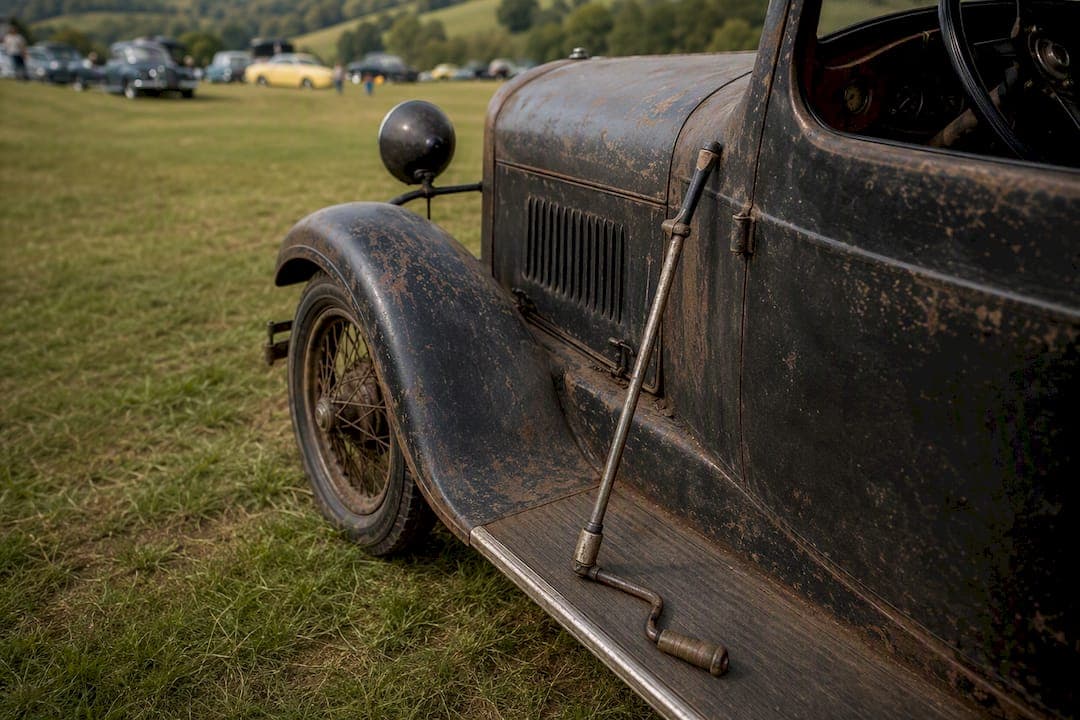
A carro antiguo is generally a vehicle old enough, and original enough, to qualify under a recognized preservation standard like FIVA's era classes or the Antique Automobile Club of America's age guidelines, not just any old car sitting in a garage. The term overlaps with "clásico" and "vintage," but the three aren't interchangeable. "Vintage" usually points to a specific manufacturing window (roughly 1919 to 1930 under FIVA's system), "clásico" is broader and often includes postwar icons, and "antiguo" tends to signal something older, frequently pre-war, with collectors treating it as the most historically loaded of the three.
Here's the quick breakdown enthusiasts actually need:
- Carro antiguo: typically pre-war or very early postwar, valued for historical rarity as much as age.
- Clásico: broader category, can include 1960s and 1970s muscle cars and postwar sedans.
- Vintage: a specific FIVA-defined manufacturing era, not a general synonym for "old."
- Age alone rarely settles the debate. The Wikipedia entry on classic cars notes that legal and insurance classifications vary by jurisdiction, so the same 1965 sedan might be "classic" in one state and "antique" in another.
Key Takeaways
Classification standards like FIVA and AACA don't always agree, and documentation often matters as much as age when it comes to a carro antiguo's real value.
| Point | Details |
|---|---|
| Terms aren't interchangeable | "Antiguo" usually signals pre-war origin, "clásico" is broader, and "vintage" follows FIVA's fixed era classes. |
| Age thresholds vary widely | AACA commonly uses a 25-year rolling benchmark, while state registration rules range from 20 to 30 years or more. |
| Documentation drives value | Club certification and provenance records frequently matter more to buyers than the car's age alone. |
| Photo quality reveals seller intent | Full exterior, engine bay, chassis, and VIN photos separate trustworthy listings from vague ones. |
| Butter Classics supports the process | Its inventory, car finder, and consignment tools give collectors detailed specs and photography for evaluating antique cars online. |
Table of Contents
- Carro Antiguo, Clásico, and Vintage: What Actually Separates Them
- How Old Does a Car Need to Be for Antique Registration?
- Recognizing Eras of Carros Antiguos From Photos
- What Restoring a Carro Antiguo Actually Involves
- Where Collectors Find Community, Parts, and Verification
- Finding, Evaluating, or Selling a Carro Antiguo With Butter Classics
- Sources
Carro Antiguo, Clásico, and Vintage: What Actually Separates Them
Collectors throw these three words around like synonyms, and that's exactly where confusion starts. "Carro antiguo" in everyday Spanish usage tends to describe a vehicle that feels genuinely old, mechanically simple, and tied to an earlier industrial era, think spoked wheels, running boards, hand cranks. It's less a legal term and more a cultural one, shaped by how clubs and enthusiasts in Latin America and Spain talk about pre-war and immediate postwar machines.
"Clásico" is the loosest of the three. It gets applied to a 1958 Bel Air and a 1970 Dodge Charger with equal ease, because the defining trait is cultural staying power rather than a strict birth year. "Vintage" is the most technical term of the bunch. Under FIVA's era classification system, vintage cars occupy a defined manufacturing window, generally cars built between the two world wars. Call a 1975 car "vintage" among serious FIVA-aligned collectors and you'll get corrected fast.
The organizations that formalize these categories don't always agree with each other, which is honestly half the reason this topic confuses so many enthusiasts.
- AACA (Antique Automobile Club of America) commonly recognizes vehicles 25 years and older for many judging and touring activities, a rolling threshold that quietly reclassifies newer cars every year.
- FIVA uses fixed historical era classes (Ancient, Veteran, Vintage, Post-Vintage, and beyond) tied to actual manufacturing periods rather than a moving age count.
- CCCA (Classic Car Club of America) takes the narrowest approach, certifying only specific "Full Classic" models built mostly between 1915 and 1948, a fixed list rather than an age formula.
Quick fact: A vehicle can turn 25 and instantly qualify as "antique" under a rolling standard like AACA's, even though it still fails to meet FIVA's fixed-era vintage criteria. Two respected organizations, two different answers, same car.
That gap between rolling and fixed definitions explains why a 2001 sports car might get an antique plate in one state while a European FIVA club won't touch the "vintage" label until decades later. If you're trying to value or register a car, checking what actually defines a collector car before assuming a label applies will save you a headache down the line.
How Old Does a Car Need to Be for Antique Registration?
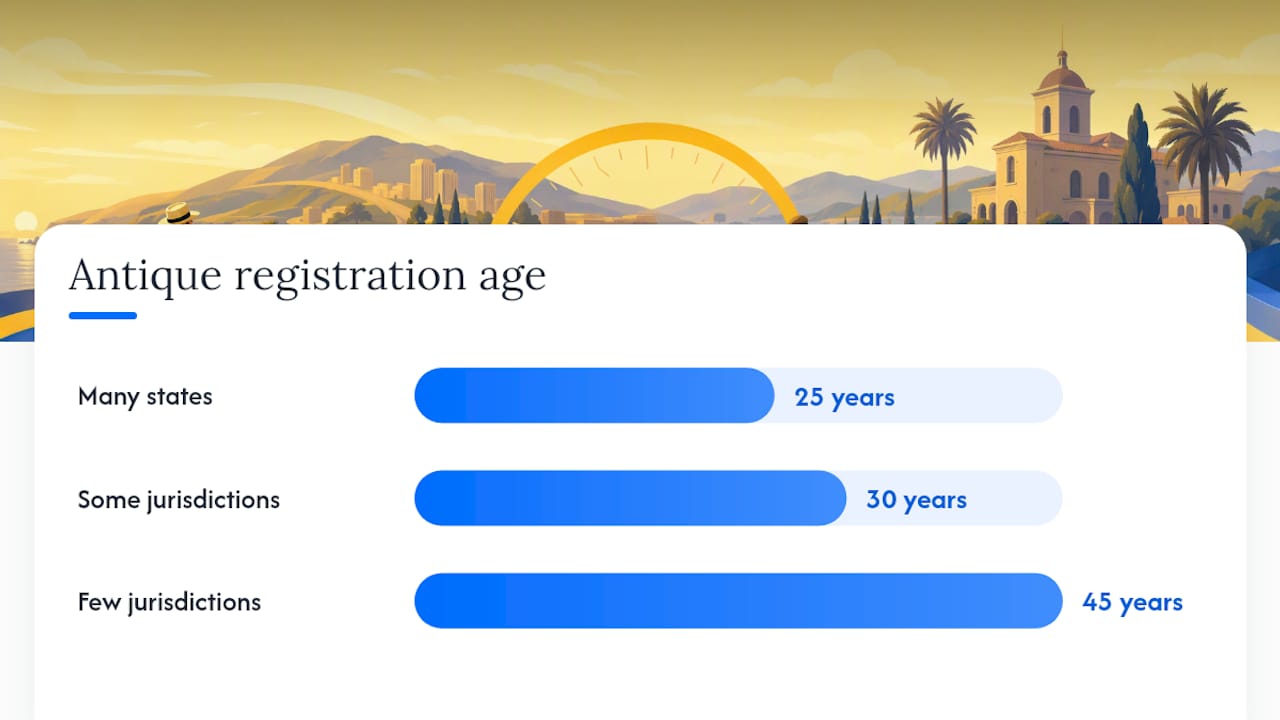
Age cutoffs sound simple until you try to register a car and discover every state and insurer has its own math. In the United States, antique or historic vehicle plates commonly use 25, 30, or even 45-year thresholds, and the rules genuinely vary by state, so a car that qualifies for reduced registration fees in one place might need standard plates just across a state line. "Antique" plates usually come with driving restrictions (parades, shows, occasional use), while "historic" designations sometimes allow regular road use with fewer limits. Neither term is universal, so the specific wording on your state DMV's site matters more than what a fellow collector tells you at a car show.
A few practical patterns show up again and again:
- Many states set antique registration at 25 years old, matching AACA's common benchmark.
- Some jurisdictions require the car to be substantially unaltered from its original specification to qualify for reduced fees or tax exemptions.
- Club certification, a stamped inspection form from a marque club or AACA judge, often smooths the registration process by documenting originality.
- Insurance carriers frequently ask for that same documentation before issuing a collector policy, since it establishes both age and condition.
Collector insurance policies typically differ from standard auto coverage in one important way: they insure an agreed value rather than actual cash value, which matters enormously if a car appreciates. But insurers usually want proof the car matches its stated classification, hence the recurring emphasis on documentation and club paperwork.
Pro Tip: Before you request antique plates or a collector insurance quote, pull your car's build sheet, any past AACA or marque-club judging sheets, and photos showing original components. Insurers and DMVs both move faster when the paperwork trail is already assembled, and it strengthens your case if the vehicle's classification ever gets questioned.
Documentation gaps get expensive fast. A car missing its provenance records can lose real value at resale, and maintaining registration integrity protects you against both fraud risk and classification disputes down the road.
Recognizing Eras of Carros Antiguos From Photos
Learning to read an era from a photo is a skill every serious collector eventually picks up, and it starts with a handful of visual markers rather than a birth year. The Brass Era (roughly 1896 to 1915) is unmistakable: exposed brass headlamps and radiators, minimal bodywork, and wheels that look borrowed from a carriage. The Vintage Era (the interwar years FIVA formally recognizes) introduces enclosed bodies, integrated fenders, and the first real hints of streamlining. Postwar cars (roughly 1946 through the late 1950s) bring chrome grilles, tailfins, and two-tone paint jobs that scream mid-century optimism. The Classic and Muscle era (1960s through early 1970s) trades ornamentation for aggressive lines, wide stances, and big-displacement engines under long hood lines.
Here's what to actually look for when you're scanning a photo or standing in front of a car at a show:
- Headlamp style: separate brass or chrome housings signal pre-war; integrated sealed-beam units point to postwar and later.
- Fender integration: freestanding fenders belong to earlier eras; fully integrated bodywork marks the 1940s onward.
- Grille shape: vertical slat grilles dominate the 1930s; wide horizontal chrome grilles are a 1950s signature.
- Interior details: metal dashboards and simple gauges suggest prewar builds; padded dashes and full instrument clusters arrive later.
Quick fact: FIVA's era classification system breaks vehicles into named periods like Ancient, Veteran, and Vintage rather than a single rolling age count, which is exactly why photo-based identification matters as much as paperwork when you're trying to place a car in its proper category.
When you're evaluating a listing online rather than in person, photo quality tells you almost everything about how seriously a seller treats the car. Look for full exterior shots in even daylight (harsh shadows hide rust and bodywork), close-up engine bay photos, undercarriage or chassis shots, and a clear VIN plate image. A listing that skips the engine bay or chassis entirely usually means there's something the seller would rather you not scrutinize closely. Butter Classics builds its inventory listings around exactly this level of detail, since a buyer evaluating a six-figure antique sight unseen deserves more than a single flattering angle. For a broader visual reference library, CLASSIC.COM aggregates listings across auctions and dealers, useful for comparing how different eras and models actually look in varied lighting and condition.
What Restoring a Carro Antiguo Actually Involves
Restoration isn't one job, it's four different jobs wearing the same name, and knowing which one you're signing up for changes your budget and timeline dramatically.
- Concours restoration aims for museum-grade, judged-competition accuracy, matching numbers, correct paint codes, period-correct upholstery. Expect the highest cost and the longest timeline, often years.
- Full restoration rebuilds the car mechanically and cosmetically without chasing every judging point, a strong balance for someone who wants to drive a car that looks and runs like new.
- Driver-quality restoration prioritizes reliability and presentable appearance over originality, the most budget-friendly path to a car you'll actually use.
- Maintenance-level work simply keeps an already-solid car running and looking good, no major rebuild involved.
Parts sourcing gets harder the older and rarer the car. New Old Stock (NOS) parts, unused original components still in factory packaging, carry the highest authenticity value but the steepest prices. Reproduction parts fill gaps for popular models but vary wildly in fit and finish. Salvage yards and parted-out donor cars remain a real source for obscure trim and mechanical pieces, and marque club networks often know exactly who's sitting on a spare part you need. Chrome restoration alone can turn into its own specialized search, since not every shop handles trim work to a standard collectors trust.
Pro Tip: Before hiring a restoration shop, ask to see photos of a project they finished at least two years ago, not last month. Fresh paint hides a lot; a two-year-old restoration shows you how the work actually held up.
Some models are simply harder to bring back than others, and knowing which ones before you buy saves real money. A closer look at the most challenging classic cars to restore is worth reading before you commit to a project car with a reputation for eating budgets alive.
Where Collectors Find Community, Parts, and Verification
Clubs remain the backbone of this hobby, and not just for nostalgia's sake. AACA and marque-specific clubs (Corvette clubs, Bronco clubs, Mopar registries) provide certification programs, supplier referrals, and, often, the only reliable path to tracking down a part that hasn't been manufactured in seventy years. Club-certified provenance tends to carry real weight at resale, since documentation frequently matters more to value than age alone.
Major car shows and museum collections remain the best places to actually see carros antiguos up close, and a growing number of enthusiasts now supplement that with digital archives and online communities. Reporting from Infobae's coverage of Bogotá's classic car culture highlights how younger collectors are engaging with this hobby through digital documentation and community networks rather than only through in-person club meetings, a real shift from how the hobby worked a generation ago.
- Attend regional and national shows to see era-correct details in person, not just in photos.
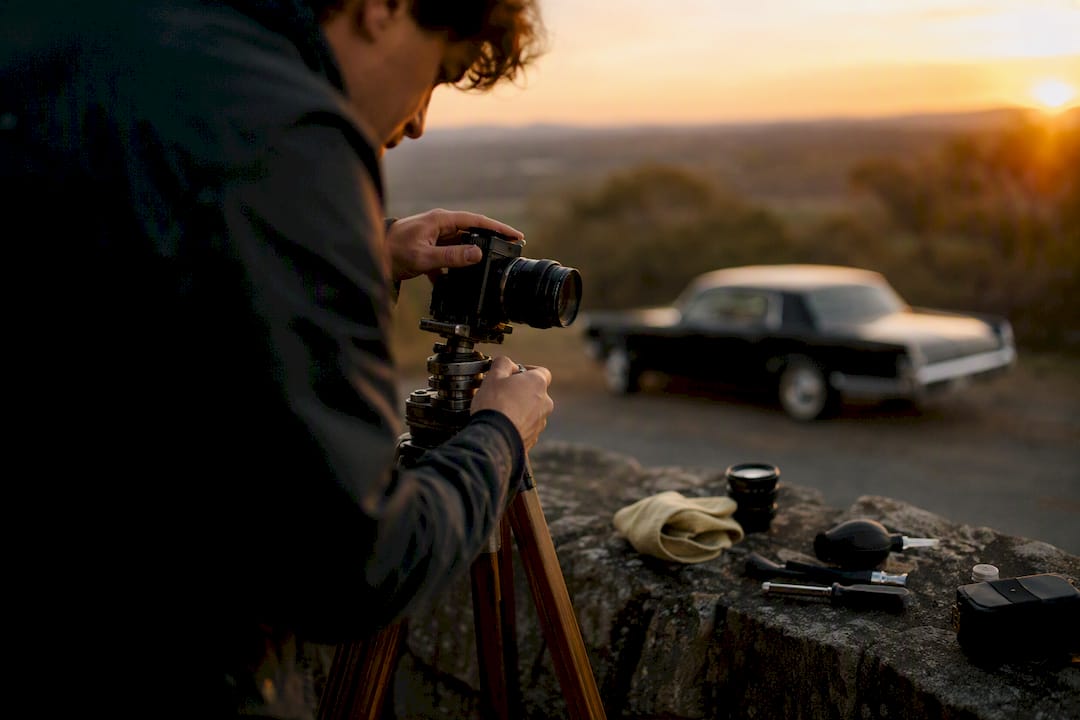
- Photograph cars methodically: full exterior, engine bay, undercarriage, and interior, the same habits that make online listings trustworthy.
- Use marque club registries to verify a car's history before buying.
- Check a checklist for attending and photographing vintage car events before your next show, so you don't come home with blurry phone shots instead of usable documentation.
Clubs don't just organize show weekends. They're the informal registry system that keeps provenance alive, connecting a car's current owner to the mechanic, the previous owner, and sometimes the original dealer who sold it decades ago.
Butter Classics fits into this ecosystem as a marketplace built around the same standards clubs and serious collectors expect: detailed specs, high-resolution photography, and straightforward tools for evaluating a car before you ever see it in person.
Why This Hobby Still Matters
Preserving a carro antiguo is really preserving a slice of social and technological history, the engineering choices, design language, and manufacturing habits of a specific decade, frozen in steel. Clubs and online marketplaces are what keep that history alive for people who never lived through the era themselves, turning a static object into something a new generation can actually learn from and drive. That's the part of this hobby I find genuinely underrated: it's not nostalgia for nostalgia's sake, it's a working archive that happens to have four wheels.
Finding, Evaluating, or Selling a Carro Antiguo With Butter Classics
Butter Classics gives you a faster, more transparent way to buy or sell a carro antiguo than hunting through scattered private listings and word-of-mouth leads. The searchable inventory lets you filter by price, era, and model, backed by the kind of detailed photography and spec sheets this article just walked through, exterior, engine bay, and interior shots included, so you can actually evaluate authenticity before you commit.
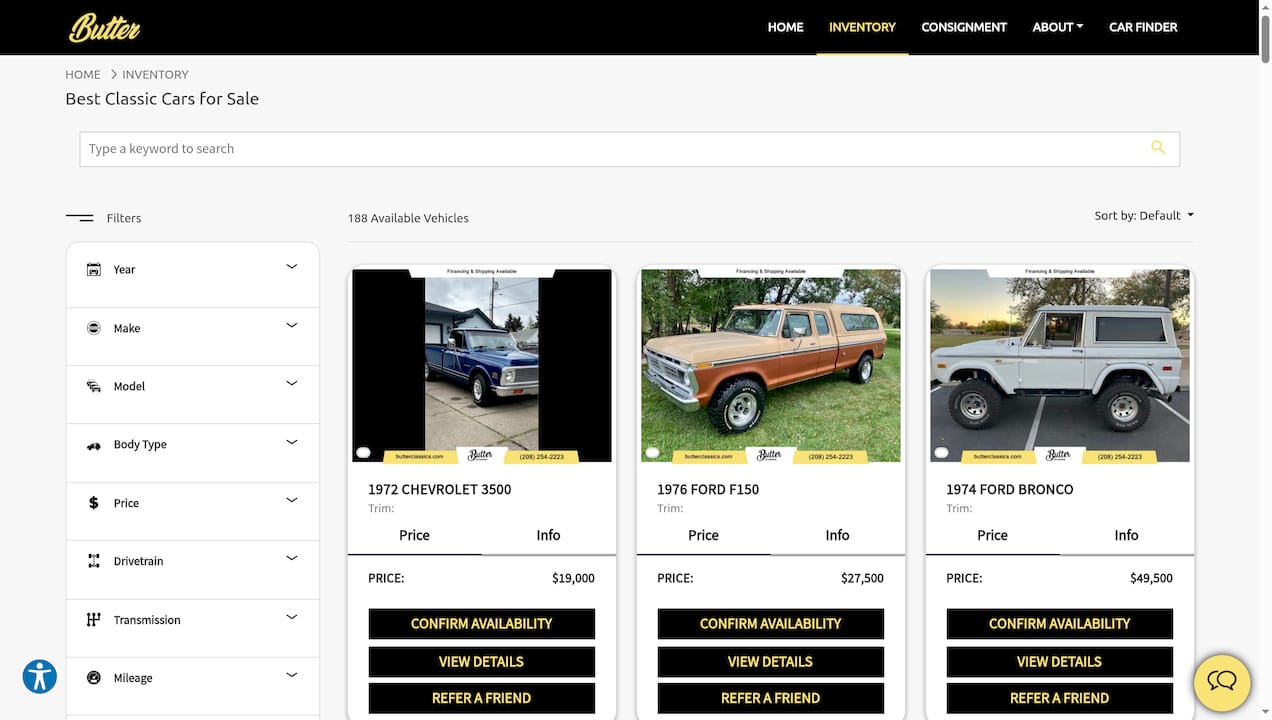
If you know roughly what you want but haven't found the right example yet, the car finder tool does the legwork for you. Ready to see a car in person? You can schedule a test drive directly once you've spotted something in the inventory. Selling instead of buying? Butter Classics also handles consignment and financing pre-qualification, so whichever side of the transaction you're on, the next step starts with a look through current listings.
Sources
- Classic car - Wikipedia
- Autos vintage, clásicos y antiguos: comprender las diferencias — The Hartford
- El arte de conservar el tiempo: la cultura de los autos clásicos y antiguos que rueda por Bogotá — Infobae