A vintage car community events checklist is the single most effective tool for turning a stressful show day into a smooth, enjoyable experience. Whether you are heading to a local car club meet, a regional concours, or a full-scale auto show, preparation separates the participants who shine from those who scramble. This guide covers mechanical readiness, cosmetic presentation, paperwork, packing, and event day strategy, so you walk away with great memories and maybe a trophy or two.
1. Your vintage car community events checklist starts with mechanical prep
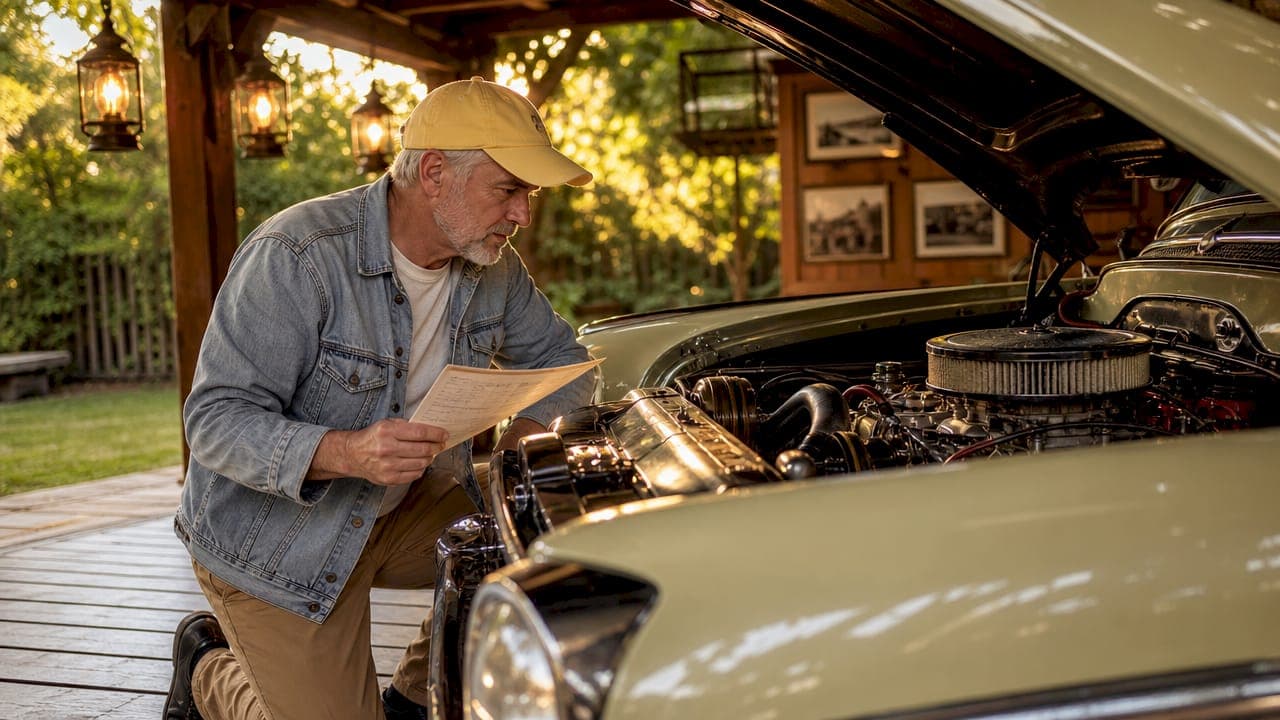
Mechanical reliability is the foundation of every successful classic car event. A car that breaks down in the parking lot or refuses to start at judging time is the worst outcome, no matter how beautiful the paintwork is. Fluid checks, brake tests, and tire inspection are the non-negotiable first steps on any vintage vehicle meet checklist.
Run through these checks at least one week before the event:
- Engine oil: check level and condition; top up or change if due
- Coolant: verify level and look for leaks around hoses and the radiator cap
- Brake fluid: inspect the reservoir and test pedal feel on a short drive
- Tire pressures: set to the correct PSI for your model, including the spare
- Brakes: listen for grinding or pulling during a low-speed test stop
- Battery: check terminals for corrosion and test charge if the car sits often
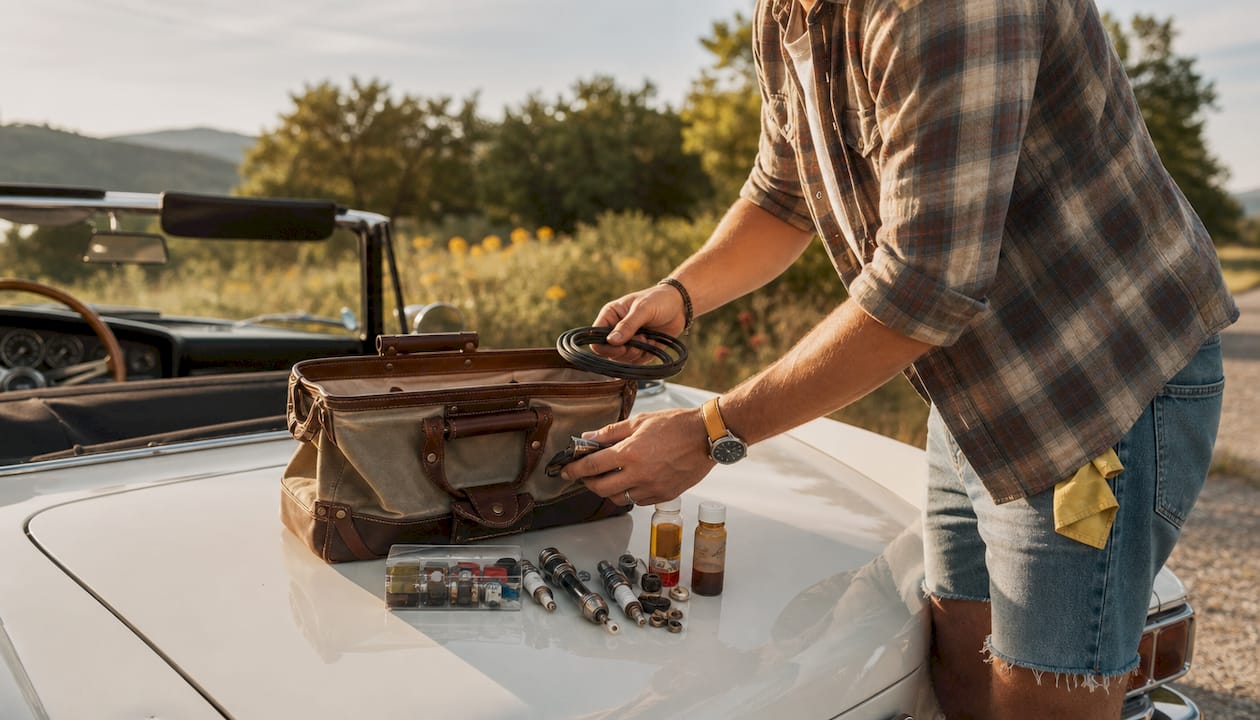
Pro Tip: Pack a model-specific emergency kit with fuses, a spare fan belt, spark plugs, and a small bottle of each fluid. Model-specific spare kits reduce breakdown risk far better than a generic roadside kit.
Doing these checks a week out gives you time to source parts without the last-minute panic. A short shakedown drive the day before the event catches anything the static checks miss.
2. How to cosmetically prepare your vintage car to impress
Presentation at a classic automobile event goes well beyond a quick wash. Judges and attendees notice the engine bay, the chrome, the glass, and the interior just as much as the exterior paint. A thorough detail session two to three days before the event gives surfaces time to settle and lets you spot any missed spots.
Work through these areas in order:
- Exterior paint: wash, clay bar if needed, then polish and wax
- Engine bay: degrease carefully, wipe down with soft cloths, dress rubber hoses
- Chrome and badges: use a dedicated chrome polish and soft microfibre cloths
- Glass: apply a streak-free glass cleaner inside and out
- Tires and wheels: dress tires with a water-based tire dressing; clean wheel faces
- Interior: vacuum thoroughly, wipe all surfaces, condition leather or vinyl
Microfibre cloths, quick detailers, and soft brushes for trim and badges are the right tools for the job. Abrasive cloths scratch chrome and painted surfaces permanently.
One point that surprises many first-timers: a moderate amount of patina is accepted and often appreciated at vintage car events. Honest wear tells a real story. A perfect repaint on a car with original bodywork can actually lower its appeal to knowledgeable judges and collectors.
Pro Tip: Bring a compact detailing kit on event day, including a quick detailer spray and a few clean microfibre cloths. A 10-minute touch-up after the drive-in keeps your car looking sharp through judging.
For your classic car show preparation, also consider organizing a period toolkit or original accessories inside the car. These details reward the visitors who look closely and give you great talking points.
3. What essential documents and materials should you bring?
Paperwork is the least glamorous part of classic automobile event preparation, and it is the part most people forget until they are standing at the gate. Printed entry passes and documentation are wiser than relying on digital tickets, especially at crowded venues where cell service is unreliable.
Pack these documents in a waterproof folder:
- Entry confirmation and event pass (printed, not just on your phone)
- Government-issued photo ID
- Current vehicle insurance certificate
- Any event correspondence or special display permits
- Registration or title if the event requires proof of ownership
Beyond entry documents, your display materials matter just as much. A clear, concise display card showing the make, model, year, and a short car story invites conversation without overwhelming visitors. Keep the text brief and the font readable from three feet away.
Consider adding historical photos, a restoration log summary, or an original brochure to your display. These items give visitors a reason to stop and engage. Business cards or a simple contact sheet also help you build connections within the vintage car community without a hard sell.
4. How to plan your event day for maximum enjoyment
A well-planned event day feels effortless. Without a plan, you spend half the day reacting instead of enjoying. Arriving 30–60 minutes before opening secures prime parking, gives you setup time, and opens the door to informal conversations with other owners before the crowds arrive.
Structure your day around anchor points rather than trying to see everything at once:
- Arrival and setup: position your car, lay out your display, do a final touch-up
- Judging window: know the exact time and be present with your car
- Live demonstrations: schedule these as must-see moments and plan around them
- Lunch break: step away from your car, eat, and recharge
- Afternoon walk: explore other displays and talk to owners
- Awards and close: be present for the ceremony even if you are not a finalist
Planning around anchor points rather than constant group adherence keeps the day enjoyable for everyone, especially if you are attending with friends or family who have different interests.
Pack comfort items so you can stay fresh all day. Water, snacks, sunscreen, and a folding chair make a long event day far more pleasant. Wear comfortable shoes. You will walk more than you expect.
Pro Tip: Carry a small notebook or use your phone's notes app to jot down the names and contact details of owners you want to stay in touch with. The vintage car community rewards people who follow up.
5. Smart packing tips for your vintage car event kit
Packing for a car show is a balance. Too little and you are unprepared. Too much and your display area looks cluttered. The goal is a compact, purposeful kit that covers comfort, presentation, and interaction.
Folding chairs, compact cleaning kits, sun protection, and Polaroid cameras are the extras that separate a good event experience from a great one. A Polaroid camera in particular is a crowd favorite. Visitors love getting a photo with a beautiful classic car, and it gives them a tangible memory of meeting you.
Pack these extras in a single tote or small crate:
- Folding chair and small portable table if permitted
- Weather-appropriate clothing (a light jacket covers both cool mornings and unexpected rain)
- Small trash bag to keep your display area tidy
- LED lighting strip for under-hood or interior display in shaded areas
- Portable Bluetooth speaker at a low, respectful volume for ambiance
- Guestbook for visitors to sign
- "Thank You" cards for vendors, organizers, and volunteers
Club displays offer richer stories and real-life context compared to static entries. If you attend as part of a car club, coordinate your display items so the group presentation feels cohesive rather than chaotic.
Key takeaways
A thorough vintage vehicle meet checklist covering mechanics, cosmetics, documents, and event day planning is the difference between a stressful show and a genuinely great day out.
| Point | Details |
|---|---|
| Mechanical checks first | Inspect fluids, brakes, and tires at least one week before the event. |
| Cosmetic prep takes time | Detail your car two to three days out and bring a touch-up kit for event day. |
| Print your documents | Printed entry passes and insurance beat digital tickets at crowded venues. |
| Arrive 30–60 minutes early | Early arrival secures prime parking and informal networking time. |
| Pack light but purposefully | A compact kit with comfort items, a guestbook, and a touch-up spray covers most needs. |
What I have learned from years at vintage car events
The biggest mistake I see at car shows is owners treating the event like a competition rather than a community gathering. Yes, there are trophies. But the people who enjoy these events most are the ones who show up open, curious, and ready to talk.
Friendly, welcoming car owners draw bigger crowds than perfect restorations with closed hoods. I have watched a mildly patinated pickup truck surrounded by 20 people while a flawless concours-quality car sat alone nearby. The difference was the owner. One was chatting, laughing, and sharing stories. The other was standing guard.
Overpacking is the second most common mistake. People show up with folding tables, multiple canopies, extension cords, and enough gear to camp for a week. It clutters your space and stresses you out. A clean, simple display with one great story beats a crowded booth every time.
The vintage car community culture rewards patience and consistency. Go to the same events year after year. Learn names. Ask questions about other people's cars before talking about your own. That is how lasting friendships and the best event invitations happen.
— Tony
Butterclassics and your next classic car event
Butterclassics works with vintage car enthusiasts who want vehicles that are ready to show, not just sit in a garage.
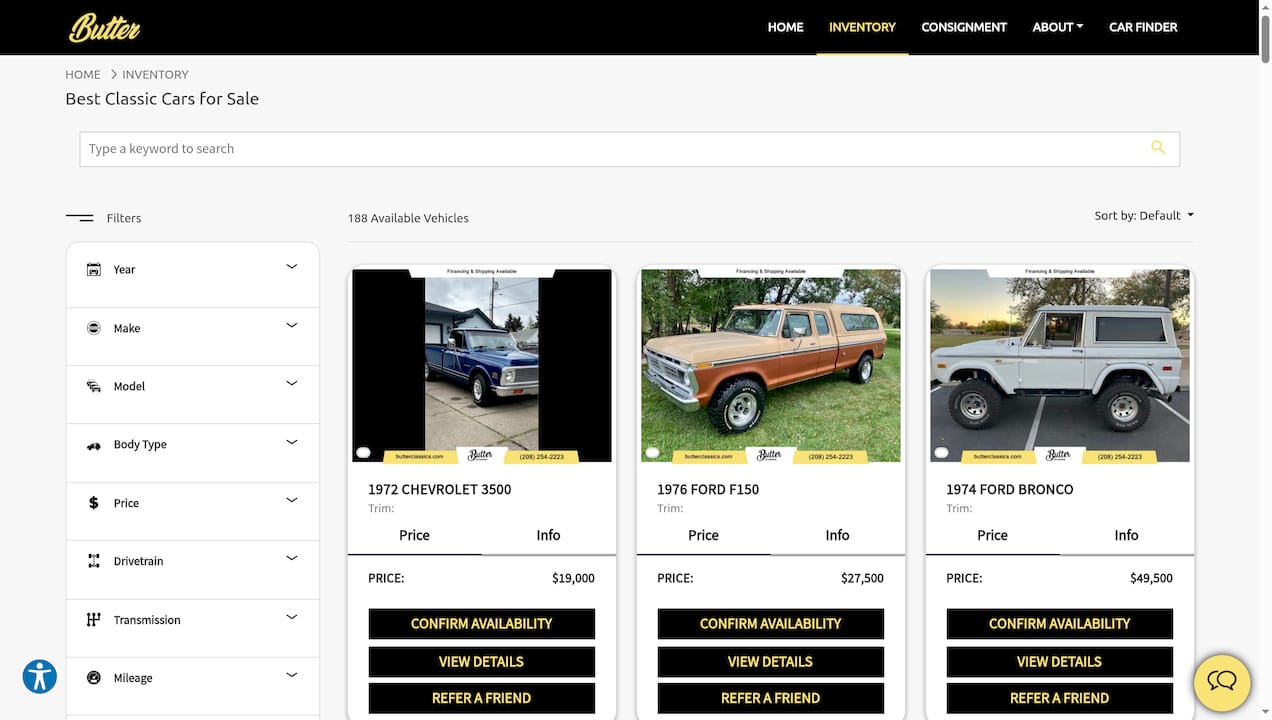
Every vehicle in the Butterclassics certified inventory goes through a thorough inspection process, so you know exactly what you are getting before event day arrives. No surprises under the hood. No scrambling for parts the night before a show. If you are looking for your next show car or want to browse what is available right now, the full classic car inventory is waiting for you. Butterclassics makes finding your next event-ready classic smooth as butter.
FAQ
What should I check mechanically before a vintage car event?
Check engine oil, coolant, and brake fluid, test your brakes, and verify tire pressures including the spare. Pack a model-specific emergency kit with fuses, a fan belt, spark plugs, and spare fluids.
How early should I arrive at a classic car show?
Arrive 30–60 minutes before the official opening time. Early arrival secures better parking placement and gives you time to set up your display and meet other owners before the crowds arrive.
Do I need a perfect restoration to compete at vintage car events?
A perfect restoration is not required. Moderate patina and honest wear are accepted and often appreciated by judges and attendees, as they reflect authentic vehicle history.
What documents should I bring to a classic car event?
Bring a printed entry pass, photo ID, current insurance certificate, and any event correspondence. Printed copies are more reliable than digital tickets at venues with poor cell coverage.
What extras make the biggest difference at a car show?
A clear display card with your car's story, a guestbook, a compact detailing kit for touch-ups, and a folding chair cover the most ground. A Polaroid camera is a crowd favorite that creates memorable visitor interactions.