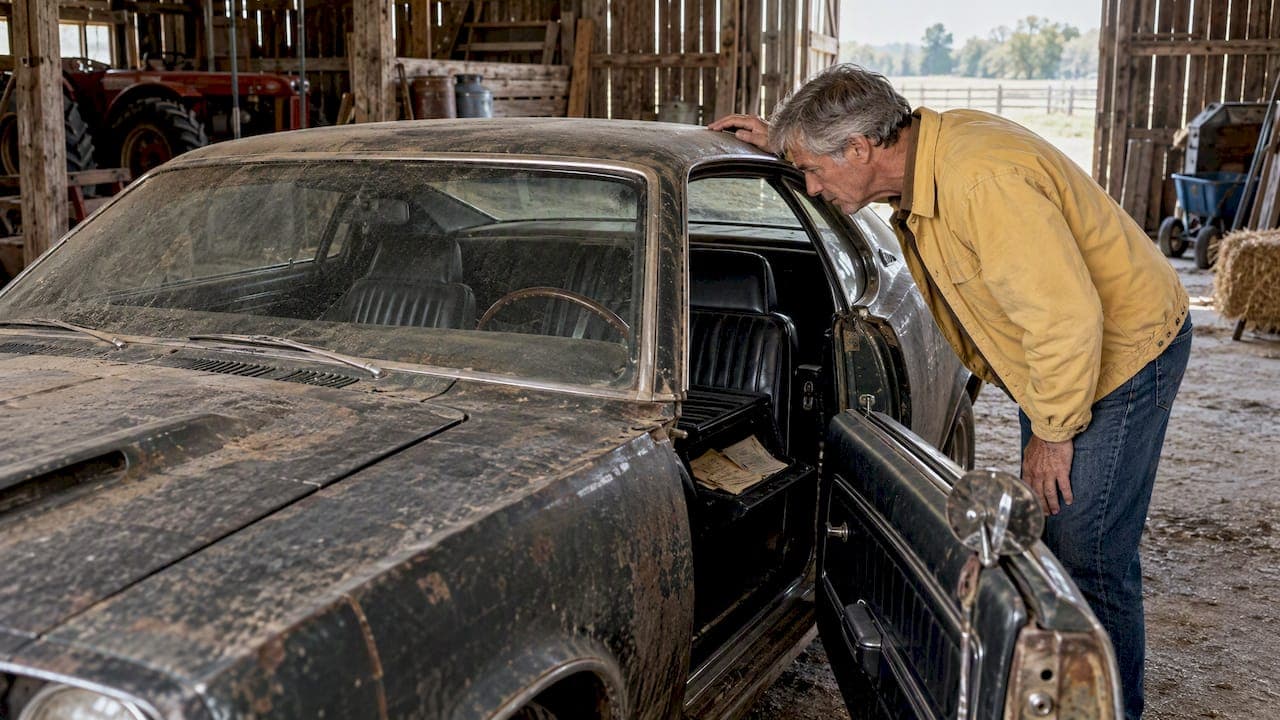
A barn find is a vehicle that gets rediscovered after sitting in long term storage, whether that's an actual barn, a shed, a garage, a storage unit, or even a field. The label describes where a car has been and how it got found, not how valuable it is, whether it runs, or who legally owns it. Collectors get excited about barn finds mainly because long, undisturbed storage can preserve original paint, parts, and paperwork that tell the real story of a car's history.
TL;DR:
- Most barn finds are common models with significant rust or missing paperwork, offering little value without rarity or provenance.
- Legal possession requires proper ownership transfer; trespassing and undocumented sales pose substantial risks.
- Inspection should focus on rusted structural areas, mechanical condition, and verifying original documentation for authenticity.
- Preservation is best for cars with rare factory features, while restoration is suitable when safety and usability are priorities.
- The true worth of a barn find depends heavily on originality and a clear provenance, not just its storied discovery.
Table of Contents
- What "barn find" really means (and the terms you'll hear instead)
- Why collectors care: rarity, originality, and provenance
- Legal and ethical rules before you chase a barn find
- How to inspect and evaluate a barn find before you buy
- Notable barn-find stories and what they teach us
- Preservation versus restoration: choosing the right path
- Why trust this guide: our experience with classic car discoveries
- The romance and the reality of barn finds
- Butter Classics: help moving, buying, or financing your discovered classic
- FAQ
- Sources
What "barn find" really means (and the terms you'll hear instead)
The phrase started with literal barns, but collectors and car media use it loosely now. A forgotten Corvette under a tarp in a storage unit counts. So does a truck pulled from a cornfield or a sedan found behind boxes in someone's garage. According to Wiktionary's entry on the idiom, a barn find is simply an item, often a vintage automobile, discovered after long or poor storage, and "shed find" works as a direct synonym. You'll also hear "field find" and "garage find" depending on where the car turned up.
Here's where people get tripped up: none of these terms promise anything about the car itself.
- A barn find isn't automatically rare or valuable.
- A barn find isn't automatically roadworthy or even salvageable.
- A barn find doesn't come with clear legal title just because someone found it.
The term is purely descriptive. It tells you the car had a dramatic pause in its life, not that the pause was good for its wallet-worthiness or its paperwork.
Why collectors care: rarity, originality, and provenance
Not every barn find matters to serious buyers, but the ones that do usually share three traits: rarity, originality, and documented history. Original paint, factory casting numbers, matching engine and chassis numbers, and untouched upholstery all support authenticity in a way that a repaint or a swapped engine never can. A car with its original window sticker, old registration slips, or dealer invoices sitting in the glove box carries a paper trail that collectors treat as gold.
Rarity and desirability work together with originality to drive value. A low-production muscle car with factory options intact, found exactly as it left the assembly line decades ago, can command serious collector attention. An auto industry primer on barn finds echoes this point: originality and provenance often matter more to buyers than a flawless paint job.
That said, we should set realistic expectations here. Most barn finds are common models. A rusted out sedan with no documentation and a tired engine isn't a hidden treasure, it's a project car at best. The mystique of the barn find gets a lot of press, but the actual market rewards rarity and proof, not just dust and a good story.
Legal and ethical rules before you chase a barn find
Finding a car isn't the same as owning it, and treating it that way can land you in real trouble. Trespassing onto private property to inspect or photograph a vehicle, even one that looks abandoned, can expose you to legal risk and burns trust with the person who actually controls the car. Always get permission before you set foot on someone's land.
Discovery never equals ownership. Before any money changes hands, you need to verify that the seller actually has the right to sell the car. That means checking the title, confirming the VIN matches the paperwork, and asking about past registrations. A buyer's guide from Capital One lays out a sensible order of operations: secure the owner's permission, photograph the VIN, research the car's history, inspect it thoroughly, and confirm title before you pay anything.

Document everything along the way. Photograph the VIN plate, save text messages or emails with the seller, and keep notes on what was said about the car's history. If something looks off with a title, a lien, or a missing signature, walk away or get professional help before you commit. A clean looking deal with murky paperwork can turn into a legal headache that costs far more than the car itself.
How to inspect and evaluate a barn find before you buy
A barn find deserves the same discipline as any major purchase, maybe more, since these cars often come with decades of unknowns.
- Start respectfully. Never enter private property without permission; if you can photograph the VIN and take overview shots from public access, do that first.
- Check the structure. Inspect the frame, floor pans, and rocker panels for rust, since these are the areas that decide whether a car is salvageable or scrap.
- Assess the mechanicals. Note whether the engine is seized or just stiff, check the fuel system for degraded lines and tanks, and look at brakes and wiring for rodent damage or corrosion.
- Verify paperwork. Run a VIN check, search title history, and ask for any past registrations or service records you can get your hands on.
- Budget realistically. Factor in towing, storage, and the real cost difference between preserving a car versus fully restoring it.
A few things worth keeping close:
- Bring a flashlight, a magnet (to check for filler), and a notepad for every inspection.
- Ask the seller directly whether they have the title in hand, not just a bill of sale.
Pro Tip: Photograph every original panel, tag, and stamp before you touch a wrench, since those details are your only proof of authenticity once restoration work starts.
For a deeper walkthrough, our guide on evaluating vintage car condition covers inspection priorities in more detail, and our piece on classic car history checks walks through catching VIN issues on pre 1981 vehicles.
Notable barn-find stories and what they teach us
Some rediscoveries make headlines because the cars and the circumstances are extraordinary. According to the Wikipedia entry on barn finds, high-profile cases have included rare prototypes pulled from storage, only for ownership to become contested once the vehicle's history came under scrutiny. The lesson isn't about the glamour, it's about the paperwork: even a car with obvious historical importance can sit in legal limbo if title and provenance aren't settled.
For everyday collectors, the takeaway is simpler. A dramatic discovery story doesn't fast track a clean sale. Expect title searches, possible disputes over who actually has the right to sell, and a market that rewards documented originality over a good tale.
Preservation versus restoration: choosing the right path
Once you own a barn find, you'll face a real decision: keep it as original as possible, or restore it to driving or show condition. Preservation makes sense when the car has historical significance, intact original finishes, or rare factory details that a restoration would erase forever. Collectors and judges at preservation-class shows often value an honest, unrestored survivor over a repainted one.
Restoration becomes necessary when safety or usability matters more than originality, especially with brakes, fuel systems, or structural rust that make the car unsafe to drive as found. The choice affects long-term value too, since an aggressive restoration can strip away the very provenance that made the car interesting in the first place.
Whichever path you choose, document and photograph original features before any work begins. Our post on originality versus restoration walks through five questions that can help you decide which route fits your car and your goals.

Why trust this guide: our experience with classic car discoveries
We built our platform around helping collectors buy, sell, and finance classic cars with real transparency, including vehicles that started life as barn finds. Our detailed listings, consignment services, and financing pre-qualification exist to assist buyers and sellers navigating cars with complicated histories. This guide draws on the same practical approach we use across our blog, including posts on verifying a classic car listing and running VIN checks before you commit. If you're weighing a barn find purchase or sale, those resources can be helpful next steps.
The romance and the reality of barn finds
We get why barn finds capture people's imagination: a forgotten machine, a good story, maybe a hidden gem. But the excitement shouldn't replace diligence. Check the title, inspect the structure, budget honestly, and document everything before you fall in love with the find.
— Tony
Butter Classics: help moving, buying, or financing your discovered classic
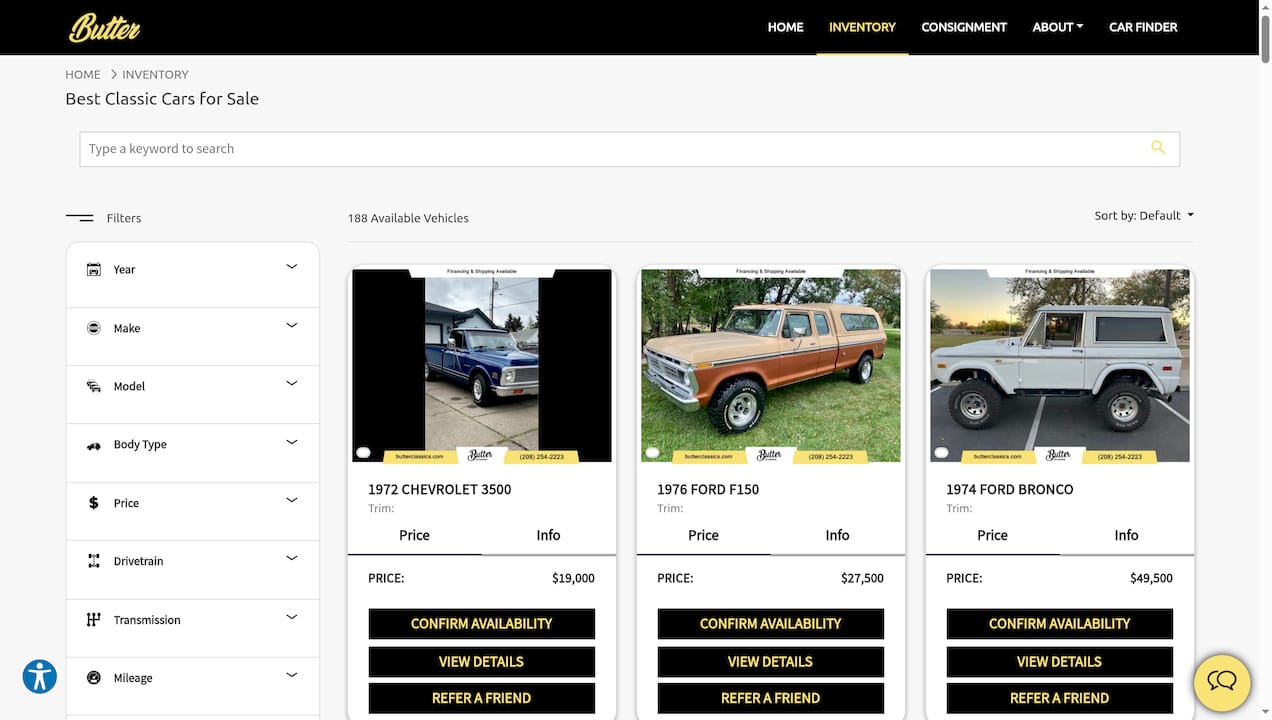
Once you've found, inspected, or decided to part with a barn find, we can help with the next step. Our consignment service handles the work of listing and selling a discovered classic the right way, and our inventory search lets buyers browse vetted classics instead of hunting through fields and sheds themselves.
- We offer financing pre-qualification for buyers ready to move on a classic.
- Our Car Finder service helps you source a specific model when you'd rather let professionals do the digging.
FAQ
What does the slang term "barn find" mean?
A barn find is a car, truck, or similar vehicle rediscovered after sitting in long term storage, often in a barn, shed, garage, or field. The term describes the discovery and storage history, not the car's condition or value.
Can you legally take a barn find?
No, finding a vehicle doesn't give you any legal right to take or buy it. You need the owner's permission and a verified title before any transaction, and entering private property without consent can expose you to legal risk, according to guidance from Capital One's barn find buyer guide.
What is the full meaning of barn find?
A barn find refers to a vehicle, most often a classic or vintage car, that gets rediscovered after years of being stored out of sight, according to Wiktionary's definition. The term is purely descriptive of its storage and rediscovery history, not a guarantee of rarity, value, or legal availability for purchase.
How do people find barn finds in real life?
Most hunters find barn finds through word of mouth, estate sales, or by asking around in rural areas where old vehicles tend to sit unused for decades. Respectful contact with property owners, patience, and a willingness to walk away from unclear paperwork are the real skills involved, more than luck.
Sources
- Barn find - Wikipedia
- Barn finds: what they are, how to find them, and what makes them so cool — Capital One
- barn find - Wiktionary