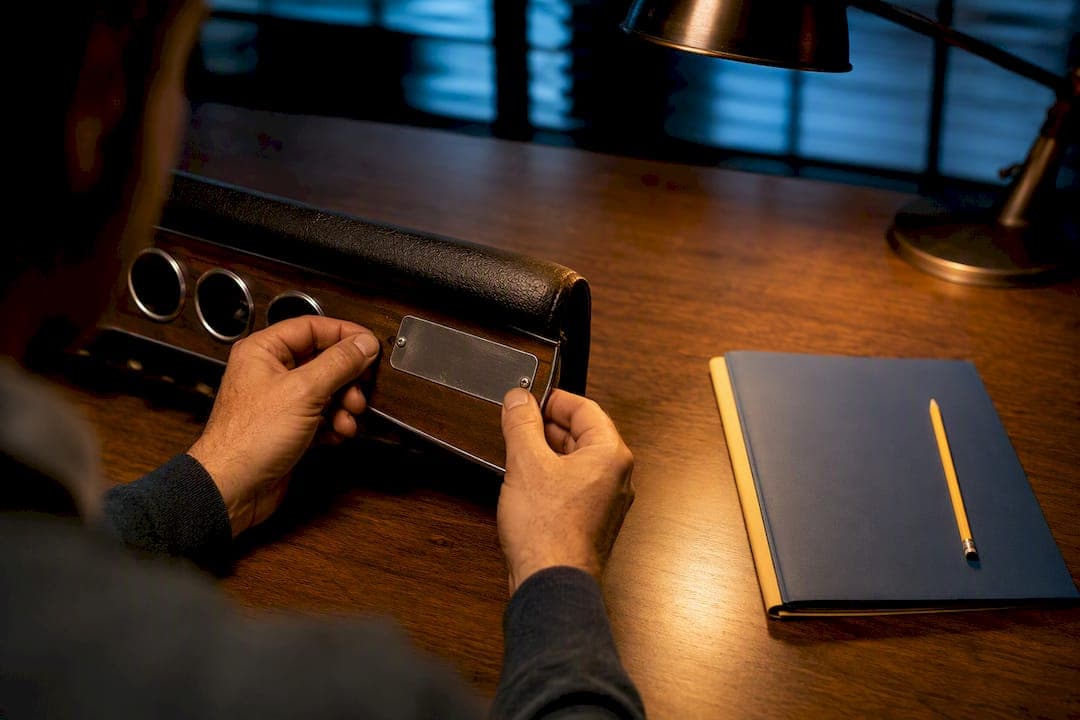
Buying a classic car sight unseen can absolutely work, but only under one condition: the VIN and title check out clean, and an independent inspection or escrow protection stands between your money and the seller's hands. Skip that condition and you're gambling on photos. Meet it, and the safe path looks like this: verify the VIN and title, demand full documentation and video, arrange a pre-purchase inspection, use escrow or conditional payment, and inspect again at delivery. Many sellers and buyers report success following this workflow across long-distance sales.
TL;DR:
- Verifying the VIN and title history through independent tools and DMV checks is essential to avoid title issues and hidden theft or salvage records.
- Obtaining a comprehensive gallery of photos and videos, including an engine start, drive, and detailed shots of the chassis and interior, exposes hidden damage and inconsistencies.
- A pre-purchase inspection by a trusted specialist provides critical insights into structural integrity, engine condition, and matching numbers, and should be documented in writing.
- Using escrow or conditional payments tied to inspection results helps prevent fraud, but it does not replace the need for proper VIN checks and professional inspection.
- Confirming the shipping and insurance arrangements prior to transfer, along with clear contractual terms, ensures protection against transit damages and delays.
Table of Contents
- Verify VIN, Title History, and Seller Identity Before You Commit
- Demand and Evaluate Photos, Videos, and Paperwork
- How to Arrange a Pre-Purchase Inspection for a Classic
- Payment Methods, Escrow, and Scam Defenses
- Arrange Transport Safely and Confirm Insurance Coverage
- Contract Clauses and Walkaway Triggers to Include Before You Sign
- Authoritative Perspective: How Tony and Butterclassics Approach Sight-Unseen Sales
- Understanding and Verifying Classic Car Appraisals and Valuation Guides Remotely
- Insurance Considerations When Buying a Classic Car Sight Unseen
- Step-by-Step Timeline From Offer Through Delivery and Registration
- Evaluating the Seller's Credibility and Reputation
- Arranging a Live Video Walk-Around and Test Drive With the Seller
- What Actually Matters When You Can't Kick the Tires
- Butterclassics: A Safer Path for Buying Vintage Cars Sight Unseen
- Sources
- FAQ
Verify VIN, Title History, and Seller Identity Before You Commit
Every safe sight-unseen deal starts with the VIN, not the price. Ask the seller for the vehicle identification number and a clear photo of the VIN tag itself, not just a typed number in the listing. Sellers who hesitate here are telling you something.
Run that VIN through the NICB VinCheck tool first. It's free, and it flags theft records, salvage brands, and flood damage that a seller may not know about or may be hoping you don't check. Follow it with a search on Vehiclehistory, which pulls title-brand and salvage history from state DMV records. For anything built after 1980, a CarFax or AutoCheck report adds another layer, though coverage thins out fast on older classics.
Pro Tip: Also run the VIN through the NHTSA recall lookup . It only takes a minute, and an open recall on a classic muscle car can mean anything from a minor fix to a genuine safety issue nobody has addressed in decades.
Title verification matters just as much as the mechanical story:
- Confirm the title sits in the seller's name with zero liens, through your own state DMV title search, not just the seller's word.
- Treat "lost title," bonded titles, or a seller offering to sign the back of the registration instead of a real title as a serious red flag, not a workaround.
- Search the VIN and the seller's name online for prior listings, salvage auction appearances, or complaints.
- Ask for proof of the seller's identity: business registration if they're a dealer, references from a restoration shop, or a contact at a marque club who can vouch for them.
Title problems on vintage cars can take months to resolve through the DMV, and sometimes they never resolve cleanly. Walk away rather than "figure it out later."
Demand and Evaluate Photos, Videos, and Paperwork
A seller who won't send more than five glossy photos is either lazy or hiding something. Classic Auto Insurance's guidance on remote purchases points out that incomplete photo sets are one of the easiest ways damage stays hidden from a buyer a thousand miles away.
Build your request around a complete gallery:
- Full 360-degree exterior shots in daylight, including close-ups of every panel gap and seam.
- Undercarriage photos showing the frame, floor pans, and suspension mounts.
- Engine bay, including the firewall and any stamped numbers.
- The VIN tag itself, plus door jamb and frame stampings if the model has them.
- Wheel wells, tire dates (check the sidewall codes), and interior wear on the seats, carpet, and dash.
- Trunk floor, spare tire well, and any area a restorer would call "rust prone."
Video matters as much as stills. Ask for a cold start on camera, followed by idle, a rev, and a short drive that shows shifting and braking without cuts. Listen for knocks, whines, or smoke on startup.
Pro Tip: Watch for oddly cropped shots, backgrounds that don't match between photos supposedly taken the same day, or fresh paint on panels that should show fifty years of wear. Those inconsistencies are the visual version of a seller talking around your question.
Request scans of service invoices, restoration receipts, and any prior sale listings, then keep everything in one transaction folder. You'll want it if a dispute comes up later.
How to Arrange a Pre-Purchase Inspection for a Classic
A pre-purchase inspection, or PPI, is the closest thing to standing next to the car yourself. For high-value collector purchases, Marsh McLennan Agency's research on sight-unseen collector sales notes that a properly scoped independent inspection functions as a real substitute for a personal look when it's done right.
Hire a marque specialist, a restoration shop near the car, or a mobile digital-inspection service. Club referrals and marque forums usually know who's reliable in a given region better than a generic search does.
Put the scope in writing before anyone touches the car:
- VIN matching across the title, dash, and body stampings.
- Compression and leakdown tests, which matter more on a 50-year-old engine than almost anything else you can check.
- Frame and floor rust inspection, plus any rotisserie restoration evidence.
- Confirmation of matching numbers if that affects the car's value.
- Timestamped photos, video, and written notes from an actual test drive.
Expect the inspection to run a few hundred dollars depending on the marque and distance, with a PDF report delivered within a few days. Insist it goes straight to you, not through the seller. Build the PPI into your purchase agreement as a contingency: if it turns up major structural, engine, or title problems, you walk with your deposit intact.
Payment Methods, Escrow, and Scam Defenses
Wiring money the day you see good photos is how most sight-unseen deals go wrong. AP News reporting on used-car buying mistakes lists sending funds too early right alongside skipping VIN checks and accepting thin photo sets as the three most common ways buyers lose money.
For anything above a few thousand dollars, escrow or a conditional payment tied to an approved PPI is the right tool. A cashier's check or bank wire without contingencies leaves you no recourse once it clears.
Watch for these warning signs:
- A seller who refuses escrow or pushes hard for an immediate wire transfer.
- Pressure to pay before the PPI is scheduled, let alone completed.
- Shipping fees that keep changing or an "urgent" reason payment needs to happen today.
- An escrow site the seller recommends that you've never heard of, especially one that looks close to a real provider's name.
Local law enforcement in several states has warned about classic-car scams built exactly this way: convincing photos, a rushed timeline, and a fake escrow account that disappears with the funds.
Pro Tip: Pick your own escrow company, never the one the seller suggests, and verify its credentials independently before sending a dollar. Legitimate escrow firms have a real business history you can check.
Your contract should specify a refundable deposit contingent on the PPI, a deadline for title delivery once payment clears, and clear language on who's responsible for storage until transport begins. Our guide to classic car scams breaks down more variations worth knowing before you send anything.
Arrange Transport Safely and Confirm Insurance Coverage
Shipping a classic is its own risk zone, separate from the sale itself. Enclosed transport costs more but protects paint, glass, and trim from road debris. Open transport is cheaper and fine for a driver-quality car that isn't going straight to a show.
Cost depends on distance, season, and the vehicle's condition. A convertible with a soft top or a low-clearance sports car usually needs enclosed shipping regardless of budget.
Before the truck arrives, confirm the carrier's insurance policy limits in writing and understand the claims process if something goes wrong in transit. Take timestamped photos at pickup and again at delivery, from the same angles, so any new damage is obvious and documented.
- Consider holding final payment until the arrival inspection is complete, or have the title held by escrow until you confirm the car matches what you were shown.
- Never let the seller "require" an extra shipping fee mid-transaction. That's a common scam variation, and a legitimate carrier bills you directly, not through the seller.
- Verify the shipping company's authority and insurance independently rather than trusting a link the seller sends.
Contract Clauses and Walkaway Triggers to Include Before You Sign
The contract is where good intentions turn into enforceable protection. Get these terms in writing before any money moves:
- VIN, agreed price, deposit amount, and the exact conditions under which that deposit is refundable.
- A PPI contingency with a specific deadline, such as: "Buyer may cancel and receive full deposit refund if the PPI identifies major structural, engine, or title defects within 10 business days."
- A firm timeline for title transfer and delivery once funds clear, plus who holds the car and pays for storage in the meantime.
- A full list of what's included, spares, tools, documentation, so nothing gets "forgotten" after the sale.
- Dispute venue and how legal costs get allocated if something goes sideways.
Get every seller representation in writing, especially claims about restoration scope or included parts. A verbal "it comes with a spare set of trim" means nothing if it's not in the bill of sale. For cross-state title complications or an escrow dispute that isn't resolving itself, an attorney familiar with vehicle transactions is worth the consultation fee before you're deep into a mess.
Authoritative Perspective: How Tony and Butterclassics Approach Sight-Unseen Sales
Tony has spent years watching collectors debate whether a car "feels right" from photos alone. The honest answer is that feeling doesn't matter nearly as much as paperwork does.
Butterclassics builds its listings around that reality: VIN-first inventory pages, extensive photo galleries, and a car finder tool that lets you specify exactly what you're hunting for instead of settling for whatever pops up. Consignment sellers go through documentation review before a car ever gets listed.
A typical safe workflow looks like this: search inventory, request the VIN and full gallery, arrange a PPI through a local specialist, move funds through independent escrow, then ship with an arrival inspection built into the payment terms. Our test drive checklist covers what to watch for even when that "test drive" happens over video instead of in person.
Understanding and Verifying Classic Car Appraisals and Valuation Guides Remotely
A number from a valuation guide means nothing without context. Price guides for classics are built on averages across condition grades, and a seller quoting the top of a range for a car with visible rust in the photos is either misreading the guide or hoping you won't check it.
Ask the seller directly which valuation source they used and what condition grade they applied. Cross-reference that against your own read of the photo and video evidence, not the seller's description. A "#2 excellent" condition rating on a guide assumes no rust, correct drivetrain, and largely original trim, standards a lot of listed cars don't actually meet.
For genuinely rare or high-dollar classics, a written third-party appraisal carries more weight than any online guide. Some PPI providers offer this as an add-on, and it's worth the extra cost when you're buying something six figures deep. The appraisal should state the methodology, comparable sales used, and any condition caveats, not just a flat number.
Treat a valuation guide as a starting point for negotiation, never as proof of what the car is actually worth in its current state. The PPI report you commission should be the document that either confirms or contradicts the guide's assumed condition grade, and that report is what actually protects your offer.
Insurance Considerations When Buying a Classic Car Sight Unseen
Insurance needs to be lined up before the car ever leaves the seller's driveway, not after it arrives at yours. Classic Auto Insurance's guidance on remote purchases points out that many standard auto policies don't automatically cover a classic in transit, especially agreed-value policies that require an in-hand appraisal first.
Contact a classic-car insurer before you finalize payment and ask specifically about transit coverage. Some insurers can bind a policy that covers the car from pickup through delivery, which matters because your homeowner's or standard auto policy almost certainly won't.
Separately, confirm the transport carrier's own cargo insurance and its coverage limits. A carrier's policy is usually the first line of defense if the car is damaged in transit, but limits can fall short of a classic's actual value, particularly on rare or fully restored vehicles. If the gap between the carrier's limit and the car's value is significant, a supplemental transit policy from your own insurer closes it.
Once the car arrives, switch from any transit-specific coverage to a full agreed-value classic policy, which typically requires photos and sometimes a physical appraisal. Don't let coverage lapse in the days between delivery and that follow-up appraisal.
Step-by-Step Timeline From Offer Through Delivery and Registration
Most sight-unseen classic purchases run three to six weeks from first contact to keys in hand, longer if title issues surface. Here's roughly how the timeline breaks down:
Week 1: VIN and title verification, full photo and video request, initial background research on the seller.
Week 1 to 2: PPI scheduled and completed, report reviewed, negotiation on price or repairs based on findings.
Week 2: Contract signed with contingencies, deposit sent through escrow, title transfer paperwork initiated.
Week 2 to 3: Escrow releases funds once conditions are met, transport arranged and scheduled.
Week 3 to 5: Shipping transit, which varies heavily by distance and carrier availability, especially during peak spring and summer shipping seasons.
Week 5 to 6: Arrival inspection against pickup photos, final payment release if held in escrow, title and registration filed with your state DMV.
Registration timelines vary by state, and some states require additional emissions or safety inspections for out-of-state vehicles before they'll issue plates. Check your state DMV's specific requirements for classic or antique vehicle registration before the car arrives, so you're not caught waiting on paperwork with a car sitting in your driveway unregistered.
Evaluating the Seller's Credibility and Reputation
The seller matters as much as the car. A private seller with zero online footprint and a brand-new email address is a different risk profile than a dealer with a decade of reviews.
For dealers, check Google reviews and the Better Business Bureau, but read beyond the star rating. Look specifically for mentions of accurate descriptions, honest condition disclosures, and how they handled disputes, not just "great service."
For private sellers, ask for references: a mechanic who's worked on the car, a marque club contact, or proof of a previous purchase showing they've owned it long enough to know its history. A seller who's owned the car for fifteen years and can produce old repair receipts is a different situation than someone who bought it three weeks ago and is already flipping it.
Search the seller's name and the VIN together online. Prior listings at a lower price, salvage auction appearances, or complaints on enthusiast forums all surface this way. Our guide on researching pre-1981 VIN issues walks through how to trace provenance further back when documentation gets thin, which happens often on cars built before VIN standards tightened in 1981.
Arranging a Live Video Walk-Around and Test Drive With the Seller
A scheduled live video call beats a pile of static photos every time, because the seller can't pre-select what you see. Set a specific time and ask them to walk the entire exterior slowly, pausing at your request on any panel, seam, or area you want a closer look at.
Have them show the VIN tag on camera, then move to the undercarriage using a flashlight or phone light in the shadows. Ask for a cold start with the hood up so you can hear the engine before it warms, then a short drive with the phone propped to show the gauge cluster and hear shifting.
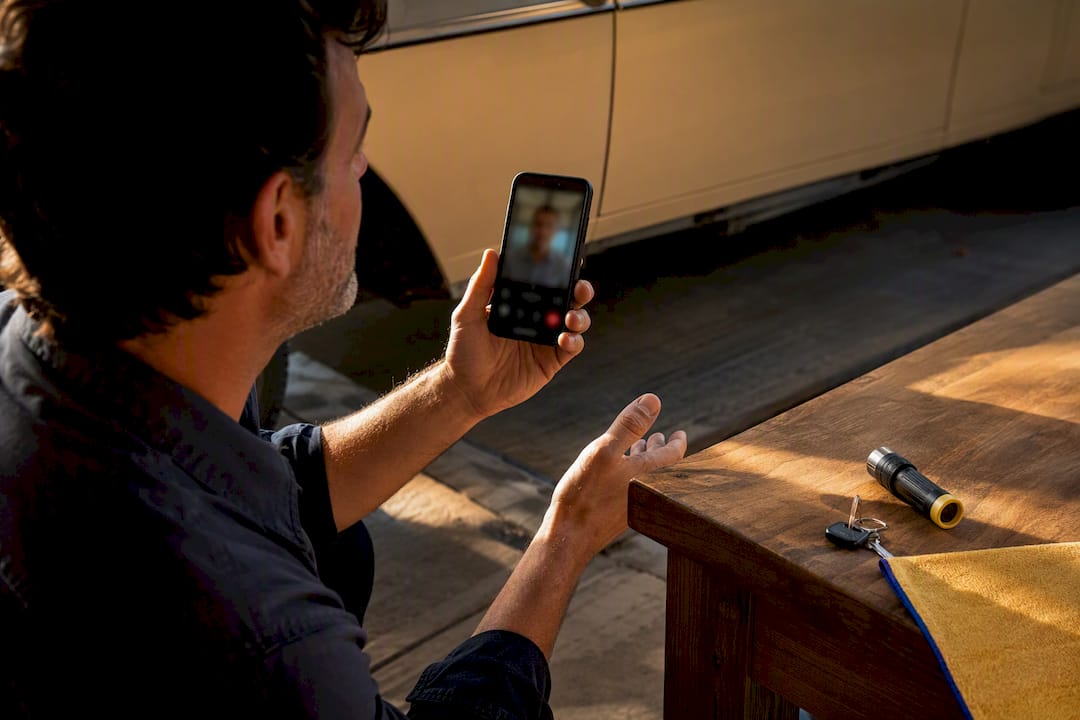
Request specific angles in real time rather than accepting a pre-recorded video. If the seller resists a live call or claims the car "isn't available" for one repeatedly, treat that hesitation as information. A digital vehicle inspection service can formalize this process with timestamped documentation if you want something more rigorous than a phone call, particularly useful when the purchase price justifies the extra cost.
Take notes during the call itself. Memory fades, and a detailed record of what the seller said and showed protects you if their description later doesn't match what shows up on your driveway.
What Actually Matters When You Can't Kick the Tires
Most advice on buying a classic sight unseen treats every step as equally important, and that's where it goes wrong. Title verification and a real PPI carry the weight. Everything else, photo quality, video calls, negotiation tactics, matters, but it's secondary insurance layered on top of those two.
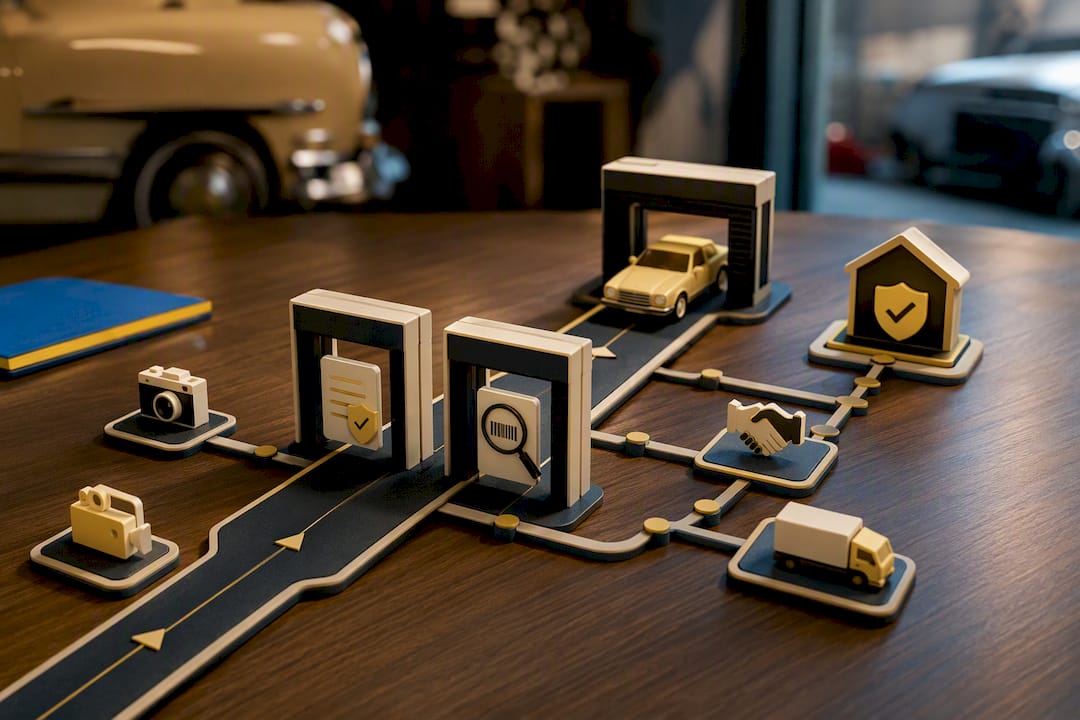
The conventional wisdom oversells escrow as if it solves fraud by itself. It doesn't. Escrow protects your money after you've decided the car is real and roughly as described. It does nothing to tell you whether the frame is rotted or the title is clean. Buyers who lean too hard on escrow and too little on the PPI are protecting the wrong end of the transaction.
If you take one thing from this: run the VIN before you fall in love with the photos. A car that looks perfect and fails a title check isn't a deal, it's a liability with a paint job. Sequence matters more than most guides admit, and skipping the boring verification step because the listing photos are gorgeous is how good buyers make bad decisions.
— Tony
Butterclassics: A Safer Path for Buying Vintage Cars Sight Unseen
Some marketplaces are built around the exact workflow this article describes, with VIN-first listings, extensive photo galleries, and documentation you can request before sending payment. Vehicles often have detailed specifications and imagery designed to reduce guesswork from limited photos.
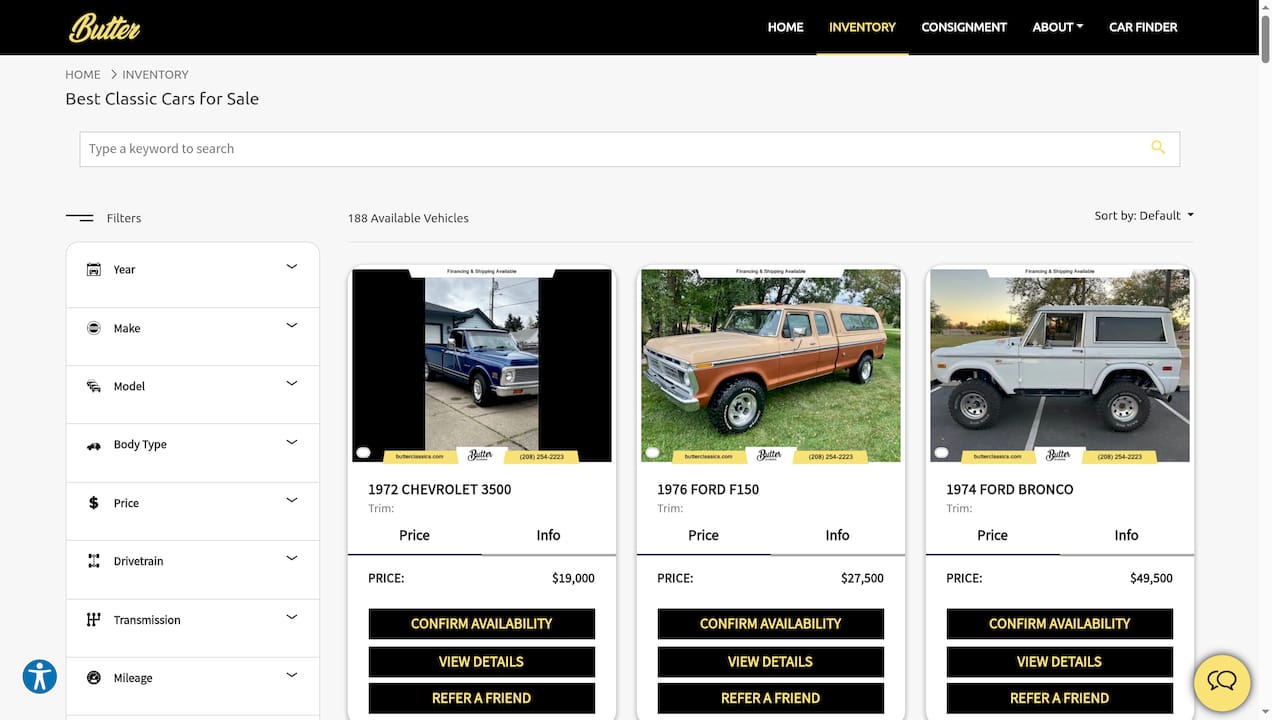
Start by browsing current inventory, where you can filter by price and type and request the full VIN and photo package on anything that catches your eye. If you want eyes on the car before you commit, schedule a test drive to arrange either an in-person visit or a guided video walk-around with our team. Selling instead of buying? Our consignment program handles the documentation and listing work so your car reaches serious, verified buyers. Whatever side of the deal you're on, the goal is the same: a transaction backed by real records, not just good photography.
Sources
- NICB VinCheck
- Classic Auto Insurance — buying a classic car sight unseen guidance
- NHTSA recall lookup
- AP News: Avoid these 3 mistakes when buying a used car sight unseen
FAQ
Is It Wise to Buy a Car Sight Unseen?
It can be wise for a classic car specifically when you verify the VIN and title, demand a full photo and video record, and back the purchase with an independent PPI or escrow protection. Skipping any of those three makes it a gamble rather than a calculated purchase.
What Is the $3,000 Rule for Cars?
There's no single universally recognized "$3,000 rule" in classic car buying; the figure sometimes gets used informally as a rough threshold for when a pre-purchase inspection becomes worth its cost relative to the car's price. Treat any specific dollar rule with caution and base your decision on the vehicle's actual value and condition risk instead.
Is It Possible to Buy a Classic Car Sight Unseen From a Dealer?
Yes, and it's often lower risk than buying from a private seller because dealers typically have reviews, business registration, and a reputation to protect. Verify the dealer's credentials and reviews the same way you'd vet a private seller, and still insist on a VIN check and PPI.
What Is the 30-60-90 Rule for Cars?
This isn't a standard term used in classic car buying or appraisal, and definitions of it vary widely depending on the source. Rather than relying on an unverified rule, follow the documented process covered here: VIN verification, PPI, escrow, and a documented arrival inspection.