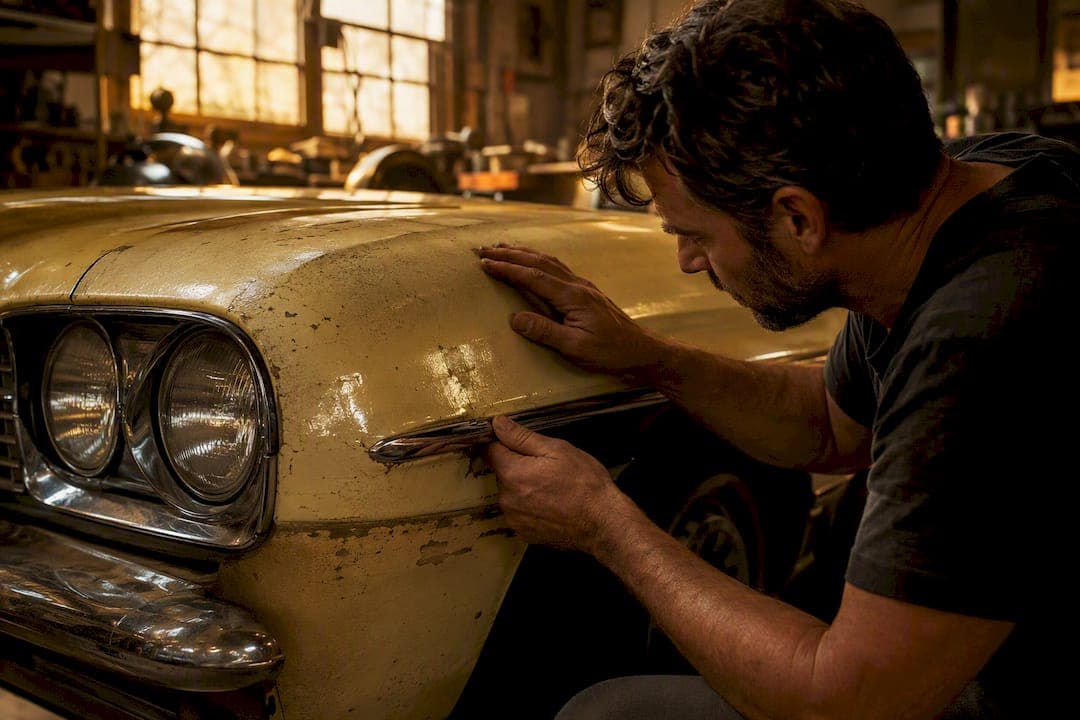
An antique automobile is any vehicle more than 25 years old, according to the Antique Automobile Club of America (AACA), the hobby's most recognized authority. That's the standard most collectors and clubs use. State DMVs and specialty insurers sometimes draw the line differently, so it's worth checking local rules before you register or insure one. Within the hobby, cars also get sorted by era:
- Veteran (pre-1919, sometimes called "Brass Era")
- Vintage (roughly 1919 to 1930)
- Antique (the broader AACA umbrella, generally 25+ years old)
For official classification or registration questions, start with AACA, your state DMV, or a collector-car insurance specialist.
Key Takeaways
An antique automobile is any vehicle more than 25 years old under AACA's standard, but confirming legal status, provenance, and ongoing costs matters just as much as the purchase itself.
| Point | Details |
|---|---|
| Know the 25-year rule | AACA classifies any car over 25 years old as antique; state and insurer definitions can vary. |
| Learn the era labels | Veteran, Vintage, and Antique eras help you place a car's technology and rarity in context. |
| Inspect before you buy | Always get an independent inspection and verify VIN, title, and numbers-matching status. |
| Budget beyond the sale price | Specialist insurance, climate-controlled storage, and scarce mechanics add real ongoing cost. |
| Use Butterclassics to browse and verify | Butterclassics offers searchable inventory, full spec sheets, financing pre-qualification, and scheduled test drives. |
Table of Contents
- Understanding Antique Car Eras and Age Thresholds
- A Quick Timeline of How Antique Cars Evolved
- Where Can You See Antique Automobiles in Person?
- How Do You Get Involved in Antique Car Collecting?
- What Should You Know Before Buying an Antique Automobile?
- How Butterclassics Helps You Find and Verify an Antique Automobile
- Which Antique Automobile Brands and Models Matter Most?
- What Restoration Techniques Work Best for Antique Cars?
- What Are the Biggest Pitfalls in Antique Car Collecting?
- A Realistic Take on Antique Car Collecting
- Find Your Next Antique Automobile with Butterclassics
- Frequently Asked Questions
- Sources
Understanding Antique Car Eras and Age Thresholds
The word "antique" gets used loosely, and that's part of why new collectors get confused fast. AACA's own 25+ years benchmark is intentionally broad, covering everything from a 1998 Corvette to a 1920s touring car. But historians and other sources often narrow it further, treating true antiques as pre World War II vehicles, while reserving "vintage" and "classic" for narrower, later windows, per Wikipedia's overview of antique car terminology.
Quick reference: hobby era labels
- Veteran/Brass Era (before 1919): exposed brass fittings, primitive controls, hand-crank starts
- Vintage Era (1919 to 1930): closed bodies become common, six and eight-cylinder engines appear
- Antique (general AACA usage): any car past the 25-year mark, updated every year
Here's the detail that trips people up: your state's registration office might define "historic vehicle" using a completely different cutoff than your insurance company uses for "antique" or "classic" coverage. A car can be a certified antique at a car show and still not qualify for historic plates in your state. Always confirm both definitions before you buy.
A Quick Timeline of How Antique Cars Evolved
Cars didn't just get older, they got radically different, decade by decade. The earliest "horseless carriages" of the Veteran Era ran on tiller steering and acetylene lamps. By the Brass Era, manufacturers were racing to add electric starters, glass windshields, and four-wheel brakes.
The interwar Vintage years brought hydraulic brakes, independent suspension, and streamlined bodywork, changes that make a 1930s car feel like a genuinely different machine to drive than a 1910s one. Postwar production then exploded in volume, which is exactly why abundance in one era creates scarcity in another.
- Fewer surviving Brass Era cars means higher prices and harder-to-source parts
- Vintage-era innovations (like syncromesh transmissions) make some models more drivable today
- Mass-produced postwar classics often have better parts availability, which keeps restoration costs lower
Rarity, provenance, and original-parts availability drive value more than age alone.
Where Can You See Antique Automobiles in Person?
Nothing replaces standing next to a real Brass Era Cadillac or a numbers-matching Tucker. AACA anchors the hobby with membership, judged national events, and one of the largest automotive libraries in the country, according to AACA's own site. Membership gets you into judged shows, technical seminars, and a network of local chapters who know which mechanic in your area actually understands a 1932 Packard.
- Visit the AACA Museum in Hershey, Pennsylvania. It houses rotating exhibits and notable permanent collections, including Tucker and Imperial vehicles, according to the AACA Museum.
- Attend a major national meet. The Hershey Nationals draw thousands of antique vehicles, parts vendors, and fellow collectors every fall.
- Tap the AACA Library & Research Center. It's a genuine resource for provenance research, factory manuals, and technical documentation, per the AACA Library & Research Center.
- Check visitor logistics before you go. Hours, ticketing, and featured exhibits are posted on the museum's visit page.
Pro Tip: Call your local AACA chapter before a research trip. Chapter members often know which archives or private collections in your region aren't listed anywhere online.
How Do You Get Involved in Antique Car Collecting?
Getting started is more accessible than most people assume. You don't need a barn full of cars to join the hobby, you just need curiosity and a willingness to show up.
- Join AACA nationally, then look up your regional chapter for local meetings and judged events.
- Attend a show or car corral before you buy anything. Walking the swap meet at a regional meet teaches you more about parts and pricing than months of online research.
- Volunteer at a museum or event. AACA Museum and local chapters regularly need help, and it's a fast way to meet mechanics and sellers.
- Use specialist forums and parts groups for technical help once you own a car, and always double-check your state's emissions exemption rules for historic vehicles before you assume you're exempt.
What Should You Know Before Buying an Antique Automobile?
Buying an antique automobile is nothing like buying a used sedan, and treating it that way is the single biggest mistake first-time buyers make. Online listings make finding rare cars far easier than it used to be, but that convenience raises the stakes on verification, according to Kiplinger's guide to collecting classic cars.
Before you buy, check:
- VIN and title history, confirmed against the vehicle's actual build records
- Service records and any documented ownership chain (provenance matters enormously to value)
- Numbers-matching status on engine, transmission, and body panels
- An independent inspection from a mechanic who specializes in the marque, not a generalist
Our own guide on evaluating vintage car condition walks through red flags most buyers miss on a first look.
Pro Tip: Never skip the independent inspection to save a few hundred dollars. A bad transmission or hidden rust repair can cost you thousands more than the inspection fee, and it's the single most common regret collectors report.
Ownership costs don't stop at the purchase price. Specialist mechanics who understand carburetors and old chassis metalwork are increasingly hard to find, which means longer wait times and higher labor rates than a modern repair shop charges. Climate-controlled storage protects against rust and seal deterioration. Standard auto insurance usually won't cover an antique properly, specialty collector policies exist for exactly this reason, often with mileage restrictions in exchange for lower premiums, per Kiplinger. Registration rules for historic plates also vary meaningfully by state, so confirm your state's specific mileage caps and inspection requirements before assuming coverage.
How Butterclassics Helps You Find and Verify an Antique Automobile
Finding a trustworthy antique automobile shouldn't mean gambling on a stranger's photos and a hopeful description. Butterclassics built its inventory around the opposite approach.
- Searchable inventory organized by price and vehicle type, so you can browse by what actually fits your budget and interest
- High-resolution photos and full spec sheets on every listing, the same documentation an independent inspector would want to see
- Financing pre-qualification before you commit to a purchase
- Consignment services if you're selling rather than buying
- Scheduled test drives so you can evaluate a car in person, not just on a screen
Transparency and verification are what separate a smart antique car purchase from an expensive mistake. Detailed photos, honest specs, and the ability to schedule a real inspection matter more than a flashy listing ever will.
Our inspection guidance reflects exactly what our own listings aim to show upfront.
Which Antique Automobile Brands and Models Matter Most?
Some names built the hobby, and knowing them helps you understand what drives value at a show or an auction. Ford's Model T basically created the mass-market automobile, and its sheer production volume, over 15 million units, means parts and knowledge are still widely available today, which keeps entry-level Model T ownership relatively approachable.
Cadillac pioneered the electric self-starter in 1912, a genuine engineering leap that ended the era of hand-crank injuries and helped make driving accessible to more people, including women. Packard defined prewar American luxury with hand-built quality that collectors still chase for its craftsmanship. Duesenberg built some of the rarest and most valuable prewar cars in existence, limited production runs and Hollywood glamour turned surviving models into six and seven-figure collectibles.
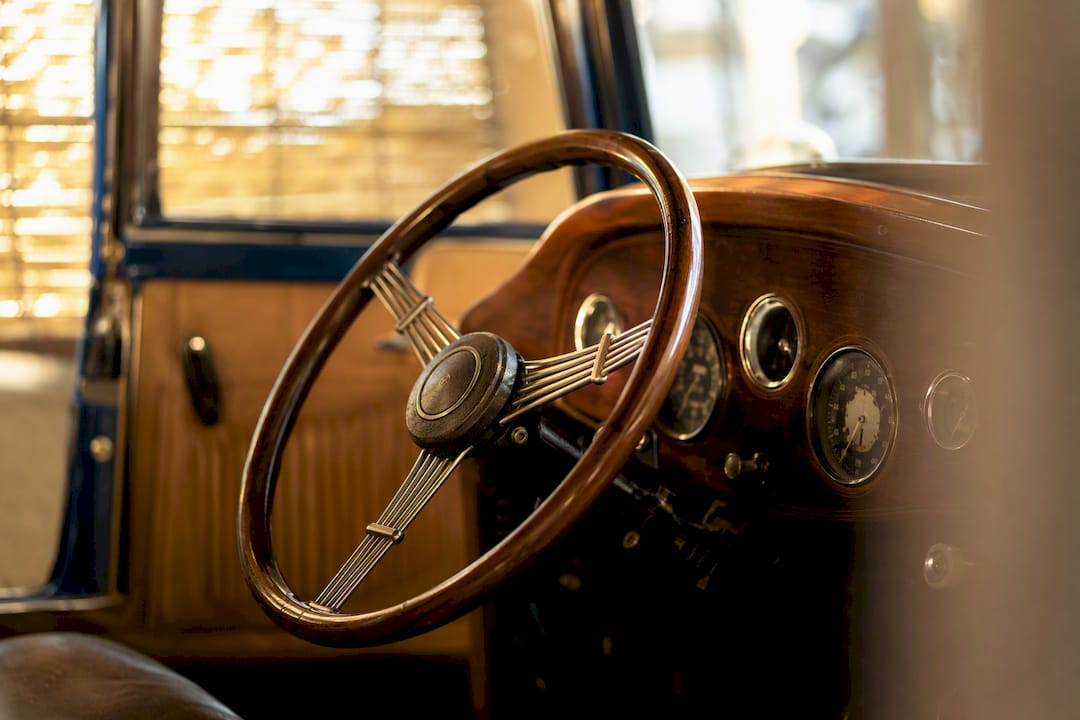
Postwar, Chevrolet's Corvette and early Ford Broncos became the gateway antiques for a newer generation of collectors, cars old enough to qualify under AACA's 25-year rule but familiar enough to feel approachable to drive and maintain. The Tucker 48, with only 51 units built, remains one of the most historically significant American cars ever produced, and you can see surviving examples at the AACA Museum.
Each of these brands represents a different entry point: Model Ts for accessibility, Duesenbergs for rarity, Corvettes for drivability. Knowing where a car fits on that spectrum tells you what you're actually paying for.
What Restoration Techniques Work Best for Antique Cars?
Restoring an antique automobile is not like restoring a 1970s muscle car, the parts ecosystem, the materials, and the skills required are fundamentally different. The first rule serious restorers follow: document everything before you disassemble anything. Photograph every wire, bolt, and panel gap, because factory manuals for a 1925 vehicle are often incomplete or nonexistent.
Original parts sourcing matters more here than in almost any other restoration category. A "correct" restoration for judging purposes at an AACA event means matching original materials, finishes, and manufacturing techniques, not just achieving a similar look. That's a meaningfully higher bar than most classic car restorations require.
Specialist skills are the real bottleneck. Carburetor tuning on prewar engines and chassis metalwork on wood-framed bodies require expertise that's genuinely scarce now, and Kiplinger's reporting on the collector car hobby notes this shortage drives up both wait times and labor costs. Budget for delays. A wood-framed 1920s body panel repair can take months to find the right craftsman.
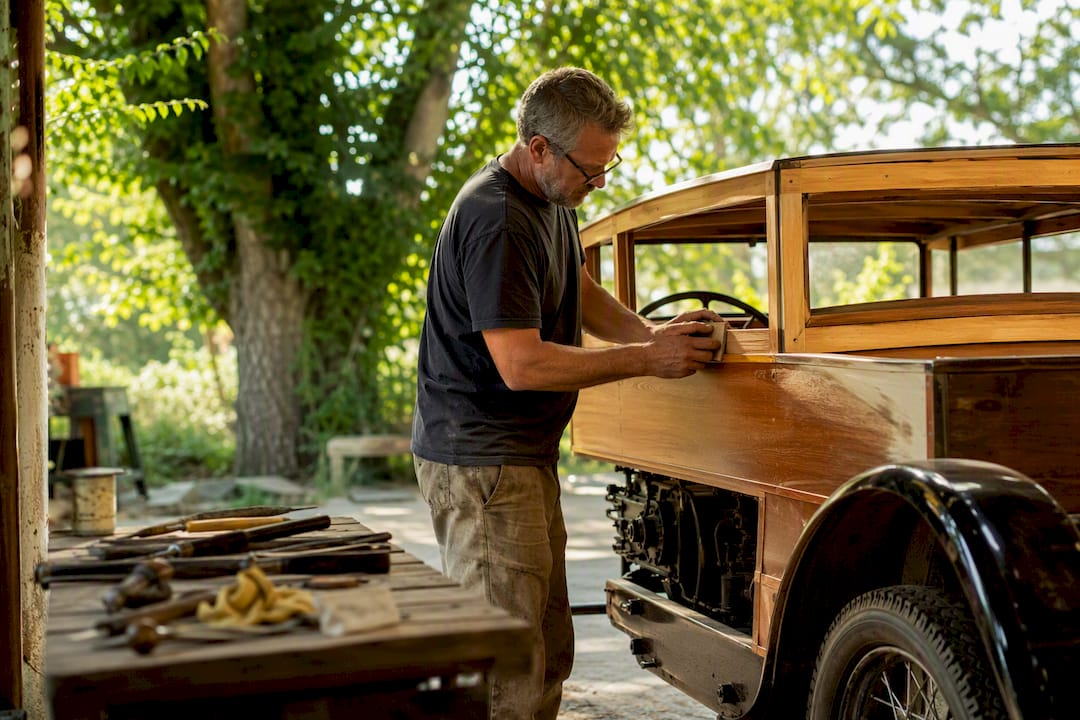
Our guide to restoration parts and service alternatives covers where collectors go when local shops don't have the specialized skills a prewar vehicle needs. Whatever shop you choose, ask specifically about their prewar or Brass Era experience, not just general classic car work.
What Are the Biggest Pitfalls in Antique Car Collecting?
The most common mistake isn't a bad purchase, it's an uninformed one. Buyers get excited about an online listing, skip the independent inspection, and discover thousands of dollars in hidden issues after the sale closes. Online marketplaces have made rare cars easier to find than ever, but that same ease raises the risk of buying something misrepresented, according to Kiplinger.
Non-original parts are another trap. A car advertised as "numbers matching" should have that claim verified, not taken on faith, our authentication guide covers exactly what to check.
Underestimating ongoing costs sinks more collectors than bad purchases do. Specialist insurance, climate-controlled storage, and scarce mechanic availability add up fast, and new owners routinely budget for the purchase price while ignoring the true carrying costs.
Scams remain a real risk, particularly with cars sold sight-unseen across state lines. Watch for sellers who resist a third-party inspection or won't produce a paper title, our scam-avoidance guide walks through the warning signs. Finally, legal pitfalls catch people off guard: emissions exemptions and historic registration rules vary by state, and assuming your antique automatically qualifies can mean an unpleasant surprise at the DMV.
A Realistic Take on Antique Car Collecting
Most guides oversell the romance of antique car collecting and undersell the logistics. The truth is, the hobby rewards patience and punishes impulse buying more than almost any other collectible category. AACA's 25-year threshold is intentionally generous, and that's good, it means you don't need a fortune or a barn full of Brass Era rarities to call yourself a collector.
Where conventional advice falls short: it treats the purchase as the finish line. It isn't. The real work, and the real cost, starts after you own the car. Specialist mechanics, climate-controlled storage, and correct insurance coverage aren't optional extras, they're the price of entry for keeping an antique automobile roadworthy and valuable.
If you're just starting out, prioritize education over acquisition. Attend a regional meet before you buy. Talk to chapter members. Get comfortable with what "numbers matching" actually means before you chase it. The collectors who thrive in this hobby are the ones who did their homework before their first purchase, not after.
Find Your Next Antique Automobile with Butterclassics
Sourcing a genuine antique automobile usually means choosing between risky online listings, expensive auction houses, or word-of-mouth leads that dry up fast. Butterclassics gives you a searchable inventory built specifically for collectors, complete with high-resolution photos, full spec sheets, and financing pre-qualification, so you're not gambling on incomplete information before you commit.
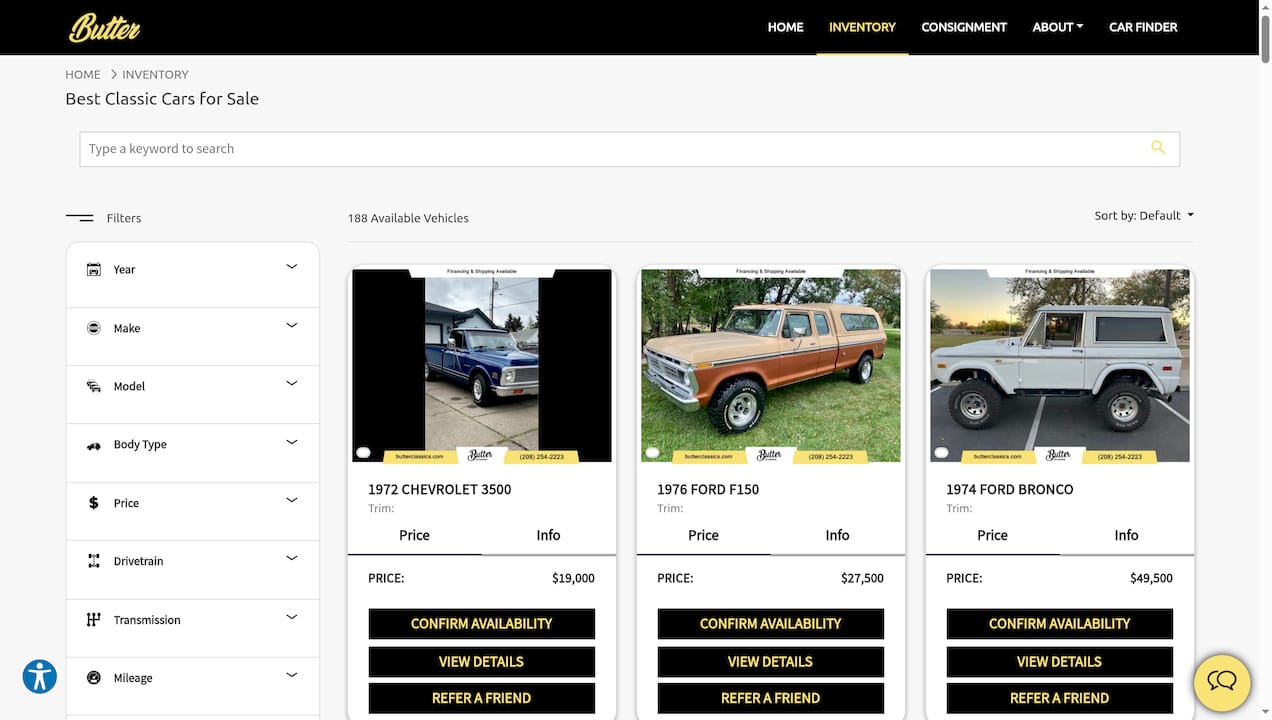
Whether you're chasing a specific model or just starting to explore what fits your budget, our car finder tool helps narrow the search without the guesswork of scrolling endless unrelated listings. Ready to see something in person? You can schedule a test drive on any vehicle in our current lineup, or browse the full inventory today to see what's available now.
Frequently Asked Questions
What officially qualifies a car as an antique automobile? Most collectors follow AACA's standard: any vehicle more than 25 years old qualifies as antique. State DMVs and insurers sometimes use different cutoffs for registration or coverage purposes, so it's worth checking both before you assume your car qualifies for historic plates or specialty insurance.
What's the difference between antique, vintage, and classic cars? "Vintage" typically refers to cars built between 1919 and 1930. "Antique" is the broader AACA category covering anything past the 25-year mark. "Classic" often refers to a narrower, later window depending on the club or insurer, so definitions genuinely vary across the hobby.
How much does it cost to insure an antique automobile? Costs vary by vehicle value, storage conditions, and mileage restrictions, but specialty collector insurance is generally recommended over standard auto policies, since standard coverage often undervalues antique vehicles and doesn't account for restoration costs.
Where can I see antique automobiles in person? The AACA Museum in Hershey, Pennsylvania houses rotating exhibits and notable permanent collections. National meets like the Hershey Nationals also draw large numbers of antique vehicles, along with parts vendors and fellow collectors.
Are emissions exemptions available for antique automobiles? Many states offer emissions exemptions for historic or antique vehicles, but rules vary significantly by state and often depend on mileage limits or registration category. Always confirm the specific requirements with your state DMV before assuming exemption.
Sources
- AACA – Antique Automobile Club of America – AACA
- I Drive and Collect Classic Cars: How to Get in the Game | Kiplinger