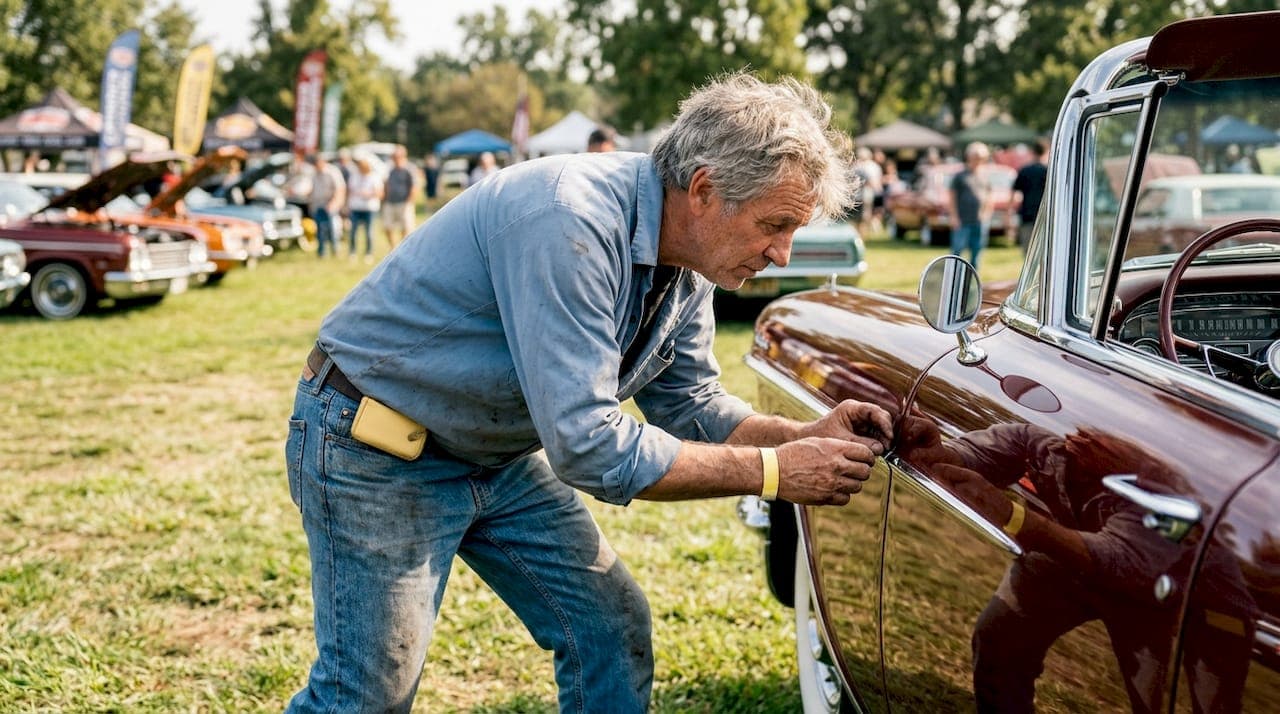
Museum quality in cars is defined as concours condition: the highest standard of authenticity, restoration, and preservation in the collector car world. The industry term is "concours condition," sometimes called Number 1 condition on standard grading scales. What collectors informally call a "museum quality car" is a vehicle where every detail, from the engine bay fasteners to the underbody finish, aligns with original factory specifications. Understanding this standard separates serious collectors from casual buyers. At Butterclassics, we see this distinction shape purchasing decisions and auction results every day.
What does museum quality mean for cars?
Museum quality is not a marketing phrase. It maps directly to concours condition, the top tier of the six-level automotive grading scale used by judges, insurers, and auction houses worldwide. A Number 1 car shows perfect finish and authenticity and qualifies for concours d'elegance entry. That standard is the benchmark every serious collector measures against.
The phrase "museum quality" carries one additional implication beyond cosmetic perfection. Functional integrity is a practitioner-defined criterion. A true museum caliber vehicle runs. Its brakes work, its transmission shifts cleanly, and its electrical system operates as designed. A static display car with a flawless paint job but a seized engine does not meet the full definition.
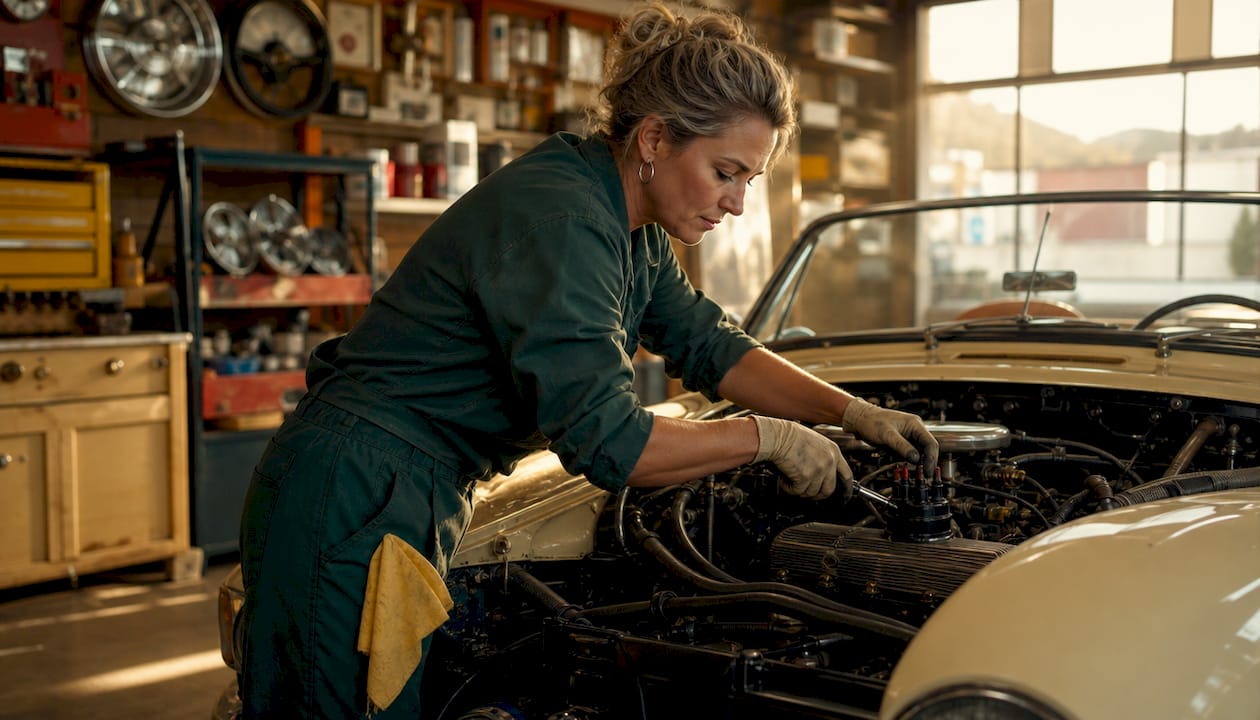
Authenticity is the third pillar. Period-correct materials, original brightwork, and factory-spec fasteners must be present throughout. A car restored with modern stainless hardware where cadmium-plated bolts originally lived fails the standard, even if the paint is flawless. Collectors who understand this distinction protect their investment and their credibility at auction.
What are the key characteristics that define a museum quality car?
The physical and mechanical criteria for museum standard cars are specific and unforgiving. Judges at concours events inspect areas most owners never see, including door shuts, bonnet floors, and underbody panels. Minor details can disqualify a car despite an otherwise outstanding presentation. Coherence between every visible and hidden surface is the goal.
The core characteristics break down clearly:
- Period-correct materials and finishes. Paint, upholstery, and trim must match original factory specifications, including correct color codes and material grades. Butterclassics covers authentic finish standards in depth for collectors working through restoration.
- Authentic engine and mechanical restoration. All systems restored to original delivery condition, not restomod upgrades or partial repairs. Engine, brakes, transmission, and electrical must reflect factory-supplied specifications.
- In-period fasteners and hardware. Correct casting codes, date codes, and plating on every bolt and bracket. Numbers matching verification goes beyond visual conformity. Documented proof of matching numbers carries more weight than appearance alone.
- Precision detailing throughout. Engine bay, trunk, underbody, and door jambs receive the same attention as exterior panels. Judges look for consistency, not selective polish.
- Full functional operability. The car must drive, stop, and operate as it did when new. Static display condition alone does not satisfy museum grade criteria.
Pro Tip: Before any restoration work begins, photograph every original component in place, including fasteners, wiring looms, and hose clamps. These images become part of your provenance file and can significantly support future authentication.
The grading scales used by organizations like the Antique Automobile Club of America (AACA) and concours judging bodies treat these criteria as non-negotiable. Meeting all of them simultaneously is what separates a Number 1 car from a very good Number 2.
Why is provenance and documentation crucial for museum-grade cars?
Documentation is now the defining factor that separates museum-grade vehicles from excellent restorations. Collectors prize verifiable provenance more than cosmetic perfection, because history cannot be replicated the way restoration work can. A freshly restored car can look identical to a documented original. Only the paperwork tells the real story.
The documentation that matters most follows a clear hierarchy:
- Factory build sheet. The original production record showing the car's exact specifications as ordered and built. This single document confirms authenticity of options, colors, and mechanical configuration.
- Unbroken ownership chain. Title history from first sale to present day. Gaps in ownership create doubt and reduce value at auction.
- Period invoices and dealer records. Original purchase invoices, service records from the delivery era, and dealer correspondence establish the car's early life.
- Restoration records. Receipts, photographs, and supplier invoices documenting every phase of restoration work. These records show what was done, by whom, and with what parts.
- Authentication reports. Third-party verification from recognized experts or organizations. Classic car authentication adds a layer of credibility that self-reported history cannot provide.
The market impact of documentation is direct. A documented car commands higher prices, attracts more serious bidders, and qualifies for better insurance valuations. Documentation serves as the buyer's defense and the seller's premium. Without it, even a technically perfect restoration is priced as a restoration, not as a museum-grade original.
How do preservation and restoration philosophies influence museum quality valuation?
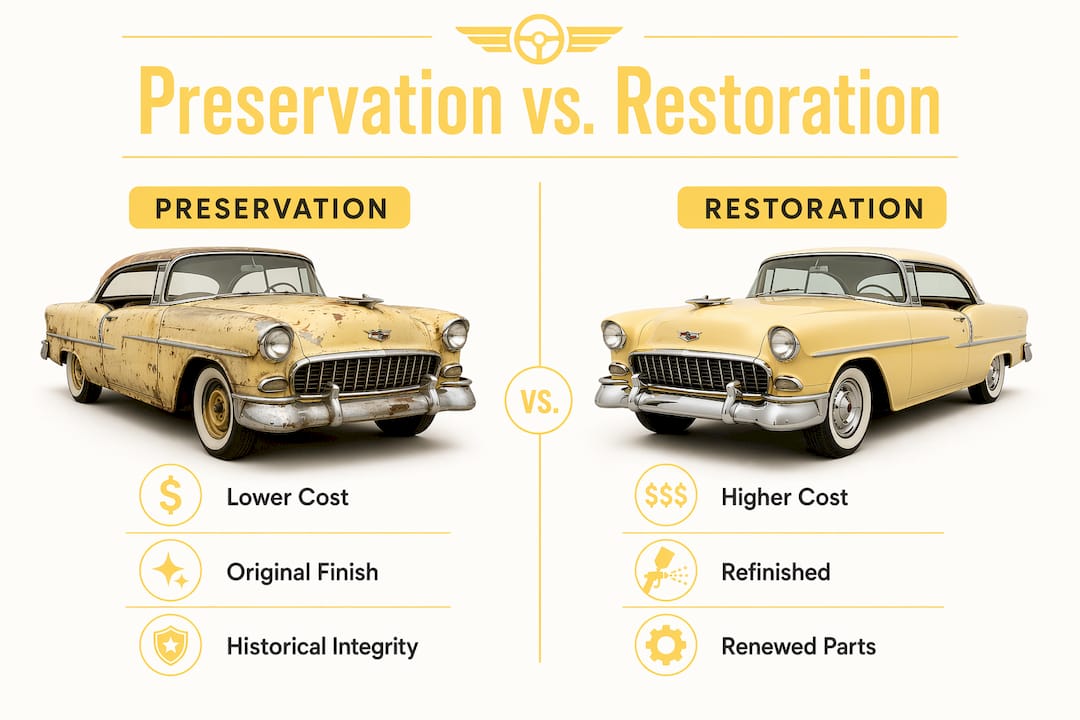
Preservation and restoration represent two distinct paths to museum quality status, and the market now treats them very differently. Preservation means maintaining a vehicle in its original, unrestored condition, accepting honest patina while preventing further deterioration. Restoration means returning the vehicle to factory-new condition through repair, refinishing, and replacement of worn components.
Low-mileage survivors with authentic factory finishes regularly outperform restored cars in value and desirability among serious collectors. This shift reflects a market reality: an original finish that has never been touched carries historical integrity that no restoration can replicate. The paint on a 1969 Camaro that left the factory and was never repainted is a primary source document. A perfect repaint, however accurate, is a reproduction.
| Approach | Cost profile | Market preference | Museum quality potential |
|---|---|---|---|
| Preservation | Lower, ongoing maintenance | Rising strongly | High, if originality is intact |
| Full restoration | High, labor and parts intensive | Stable for documented work | High, if period-correct throughout |
| Over-restoration | High | Declining among serious collectors | Reduced, authenticity compromised |
Expert collectors prioritize historical integrity and avoid aggressive over-restoration for museum-grade vehicles. A car with original paint showing honest wear from decades of careful ownership tells a story. A car buffed and polished to a finish brighter than it ever left the factory tells a different, less credible one.
Pro Tip: If you own a low-mileage survivor with original paint and interior, consult a preservation specialist before touching anything. Stabilizing what exists is often more valuable than restoring it to "better than new."
The cost difference between preservation and full restoration is significant. Preservation focuses on cleaning, stabilizing, and protecting existing materials. Full restoration to museum standard involves sourcing period-correct parts, skilled labor across multiple disciplines, and extensive documentation of every step. Both paths can reach museum quality. Only one preserves the original artifact.
What practical steps should collectors take to assess museum quality status?
Assessing whether a car meets museum caliber standards requires a structured approach. Emotion and visual impression are not reliable guides. A systematic inspection against concours criteria gives you an honest picture.
- Start with documentation review. Before inspecting the car, examine all available paperwork. A factory build sheet, title history, and restoration records tell you what you are looking at before you open the hood.
- Inspect hidden areas first. Door jambs, trunk floors, firewall stampings, and underbody panels reveal original condition or prior repairs that cosmetic work may conceal. Evaluating vintage car condition thoroughly before purchase protects you from costly surprises.
- Verify numbers matching with documentation. Check casting codes and date codes on the engine block, transmission, and major components. Cross-reference against the build sheet and any authentication reports.
- Assess restoration methods used. Reversible, non-invasive techniques indicate a restorer who respected the car's originality. Welded patches over original metal, incorrect sealers, or modern adhesives signal shortcuts that reduce museum quality standing.
- Engage a recognized authentication service. Third-party expert evaluation removes subjectivity. Organizations and independent specialists who judge at concours events apply the same criteria used in competition.
- Confirm full mechanical operability. Drive the car if possible. A museum quality vehicle operates as designed. Mechanical issues do not disqualify a car from restoration, but they must be addressed with period-correct methods to maintain the standard.
- Check brightwork and trim authenticity. Chrome, badges, and trim must match original specifications in material and finish. Reproductions are acceptable only when originals are unavailable and the substitution is documented.
The significance of museum quality in cars extends beyond personal satisfaction. It directly affects resale value, insurance classification, and eligibility for premier concours events. Collectors who treat assessment as a formal process protect both their investment and the historical record.
Key Takeaways
Museum quality in cars requires coherence across authenticity, documentation, and functional condition. Cosmetic perfection alone does not meet the standard.
| Point | Details |
|---|---|
| Concours condition is the benchmark | Museum quality maps to Number 1 condition on standard grading scales, requiring period-correct authenticity throughout. |
| Documentation now defines the premium | Factory build sheets, unbroken title history, and restoration records separate museum-grade cars from excellent restorations. |
| Functional integrity is required | A museum quality car must operate mechanically as designed, not just look correct on a show field. |
| Preservation often outperforms restoration | Low-mileage survivors with original finishes regularly command higher values than fully restored equivalents. |
| Hidden areas matter as much as surfaces | Concours judges inspect door jambs, underbody panels, and fasteners. Coherence throughout the entire car is the standard. |
The part of museum quality that most collectors get wrong
The biggest misconception I see is treating museum quality as a finish line rather than a standard of care. Collectors spend enormous sums on paint and chrome, then store the car and let the brake fluid absorb moisture for a decade. That car is no longer museum quality. It is a cosmetically preserved vehicle with a deteriorating mechanical system.
The market has shifted in a direction that rewards honesty. A car with original paint showing 50 years of careful ownership, complete documentation, and a fully serviced drivetrain is worth more to the right buyer than a freshly restored car with no paperwork. I have watched this play out at auction repeatedly. The documented survivor with honest patina draws the serious money. The over-restored car with no history draws the compliments and then sits.
My advice for collectors building toward museum quality status: invest in documentation before you invest in cosmetics. Photograph everything. Keep every receipt. Build the file as carefully as you build the car. The paint will always be visible. The paperwork is what makes the car irreplaceable.
The other thing worth saying plainly: museum quality is not a permanent designation. It requires ongoing maintenance, proper storage, and continued documentation of any work performed. A car that earns Number 1 status today can lose it through neglect or a single poorly executed repair. Treat the standard as a commitment, not an achievement.
— Tony
Butterclassics and the museum quality standard
Finding a car that genuinely meets museum caliber standards takes more than a good eye. It takes verified history, documented authenticity, and a seller who understands what the standard actually requires.
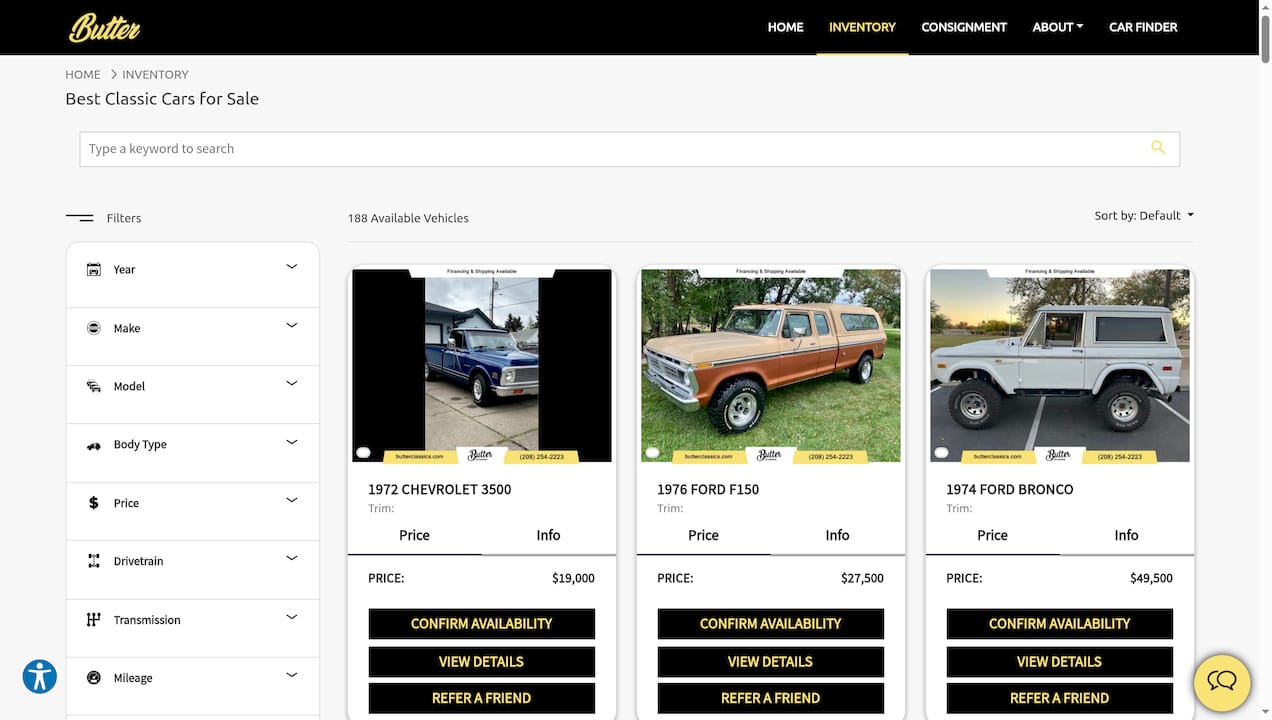
Butterclassics specializes in exactly that. Our certified classic inventory goes through provenance verification and authenticity review before a vehicle is presented to collectors. We know what the documentation needs to show, and we know what to look for in the metal. Whether you are searching for a concours-ready survivor or a fully restored investment-grade vehicle, our full inventory gives you a starting point built on transparency. Reach out to our team and we will help you find the right car with the right history behind it.
FAQ
What is the museum quality car definition?
Museum quality in cars means the vehicle meets concours condition standards: period-correct authenticity, full mechanical operability, and comprehensive provenance documentation throughout. It corresponds to Number 1 condition on standard collector car grading scales.
How does museum quality differ from a restored car?
A restored car may look correct but lack original documentation or period-correct components. Museum quality requires both flawless execution and verifiable history, including factory build sheets and an unbroken ownership chain.
Do museum quality cars have to be drivable?
Functional integrity is a practitioner-defined criterion for museum quality. The vehicle must operate mechanically as designed, including brakes, transmission, and electrical systems, not just present well visually.
What documents prove a car is museum grade?
The most critical documents are the factory build sheet, complete title history, original purchase invoices, and detailed restoration records with photographs and supplier receipts. Third-party authentication reports add further credibility.
Is a preserved original worth more than a restored car?
Low-mileage survivors with authentic factory finishes regularly outperform restored cars in collector markets. Original finishes carry historical integrity that restoration cannot replicate, making documented survivors highly desirable among serious collectors.