
Here, registering a classic car means creating a listing or consigning your vehicle on Butter Classics, not filing paperwork with the DMV. Start by gathering your title, photos, and provenance, then decide whether to self-list or hand the process to Butter Classics through consignment. That single choice shapes almost everything else about how fast your car sells and how much you walk away with.
TL;DR:
- High-quality photos should cover all angles, including engine bay, undercarriage, VIN, and factory stamps, shot in natural light for best results.
- Provenance documents like titles, build sheets, receipts, and history photos significantly boost buyer confidence and can speed up the sale.
- Consignment fees typically range from mid-single digits to low double digits of the final sale price, with pricing strategies affecting sale speed and negotiation.
- Buyers care about state-specific registration and inspection requirements, such as emissions waivers and VIN verification, which impact the registration process.
- Preparing a thorough documentation bundle and understanding registration and insurance nuances help sellers streamline transactions and foster buyer trust.
Table of Contents
- What Do You Need to Gather Before Listing a Classic Car?
- How Do You List or Consign a Car on Butter Classics?
- How Much Does It Cost to Sell a Classic Car?
- Why Does Provenance Matter So Much to Buyers?
- How Should You Prep and Photograph the Car Before Listing?
- How Do You Handle Buyer Inquiries and Test Drives Safely?
- What Is the Official Classic Car Registration Process With the DMV?
- Which Vehicles Qualify for Classic or Antique Status?
- Do Classic Cars Need Special Inspections Before Registration?
- What Should You Know About Classic Car Plates and Permits?
- What Insurance Should Buyers Consider After Registering a Classic Car?
- How Long Does the Full Registration Process Usually Take?
- What Sellers Get Wrong About Selling a Classic Car
- List Your Classic Car With Butter Classics
- Sources
What Do You Need to Gather Before Listing a Classic Car?
A collector shopping on Butter Classics is comparing your car against dozens of others in the same price range, and the difference between a fast sale and a listing that sits is almost always preparation. Before you touch the upload button, get your materials in order.
Photos. Plan on capturing every angle a buyer would walk around and inspect in person:
- All four exterior corners, plus straight-on front and rear shots
- Full interior, including dash, seats, door panels, and trunk
- Engine bay from multiple angles, including firewall and shock towers
- Undercarriage shots showing frame, exhaust, and floor pans
- Close-ups of the VIN tag, data plate, and any matching-numbers stamps
Shoot in even, natural light and avoid harsh midday shadows. Butter Classics' photography guide covers camera settings and staging in more depth if you want a technical reference.
Specs. Have your VIN, mileage, trim level, factory options, and any modifications written down before you start the listing form. If the car has matching numbers, say so explicitly; it's one of the first things serious buyers check.
Documents. Round up the clean title, any prior bill of sale, restoration receipts, factory build sheets, and period photos showing the car's history.
Pro Tip: Combine your title copy, receipts, and build sheet into one downloadable PDF before you list. Buyers who can review provenance in a single file tend to move faster toward a serious offer than ones stuck asking you for documents piecemeal.
How Do You List or Consign a Car on Butter Classics?
Butter Classics gives sellers two paths to the same goal: get the car in front of qualified collector buyers. Here's how the process actually runs.
- Create your account and gather submission details. You'll need the VIN, year, make, model, mileage, asking price range, and a written condition summary before you start the form.
- Decide between self-listing and consignment. Self-listing puts you in charge of photos, pricing, and buyer communication. Consignment hands those tasks to Butter Classics in exchange for a fee, including professional-grade presentation and buyer screening.
- Upload your materials. Add your photo set, VIN documentation, and provenance PDF. Name files clearly (front_exterior.jpg, engine_bay_01.jpg) so nothing gets mixed up during review.
- Review and sign the consignment or sales agreement. This spells out fees, timelines, and each party's responsibilities.
- Publish the listing. Once approved, your car goes live on the Butter Classics inventory page for browsing collectors.
After publishing, you're not done. Butter Classics gives sellers ongoing tools to manage the sale:
- Respond to buyer inquiries through the marketplace messaging system
- Let interested buyers schedule a test drive directly
- Point serious buyers toward finance pre-qualification so financing questions don't stall a deal
Consignment sellers get most of this handled for them, which is the main trade-off worth weighing against the fee.
How Much Does It Cost to Sell a Classic Car?
Consignment fees for classic and collector cars typically fall in the mid-single-digit to low-double-digit percentage range of the final sale price, according to industry consignment guides. Always ask your consignment partner to spell out the exact fee and show recent comparable sales before you sign anything.
Pricing format matters just as much as the fee itself:
- Firm price listings move faster but leave less room for negotiation.
- Reserve pricing protects your floor while still inviting offers.
- No-reserve listings tend to attract more attention but carry more risk if bidding stalls low.
Selling trade-off research confirms what most sellers eventually learn firsthand: private sales usually net more money, but they take longer and put the workload entirely on you. Consigning or listing through a marketplace trades some of that net proceeds for speed, reach, and someone else handling buyer questions. Time-to-sale on Butter Classics varies by segment. A clean, well-documented muscle car or Bronco in a popular price band often moves faster than a niche or high-dollar investment-grade vehicle, simply because the buyer pool is larger.
Why Does Provenance Matter So Much to Buyers?
Original paperwork is often the single biggest lever you have over your car's final price. A well-organized folder of receipts and factory documents converts hesitant buyers into confident ones faster than almost anything else in your listing.
Prioritize these documents:
- Clean title with your name matching the seller information, plus lien release if applicable
- Bill of sale from your own purchase, if you have it
- VIN verification that matches the title, data plate, and engine stamp
- Restoration receipts showing what was done, when, and by whom
- Factory build sheet confirming original options and configuration
- Service history and period photos documenting the car's life
Each document answers a question a buyer would otherwise have to take on faith. A build sheet proves the options are original rather than added later. Restoration receipts prove the quality of work rather than just its appearance in photos.
Pro Tip: Scan everything into one PDF, in the order a buyer would want to review it: title first, then bill of sale, then receipts and build sheet. A clean bundle signals a careful owner before the buyer even reads a word of your description. Butter Classics' guide to evaluating vintage car condition is worth a read if you want to see documentation from the buyer's side of the table.
How Should You Prep and Photograph the Car Before Listing?
Detailing comes before the camera comes out, not the other way around. Wash, clay bar, and wax the paint. Clean the engine bay well enough that a buyer can actually see components instead of decades of grime. Vacuum and condition the interior, and address any obvious mechanical issues that would surface during an inspection anyway.
Once the car is prepped, work through a full shot list rather than a handful of favorite angles:
- Four exterior corner shots plus straight front and rear
- Full interior spread: dash, seats, door panels, headliner, trunk
- Engine bay from at least three angles
- Undercarriage and frame rails
- Close-ups of VIN, data plate, and any factory stamps
Shoot outdoors in overcast or early-morning light when possible. Harsh sun creates blown-out highlights on chrome and glass.
If the car is investment-grade or six figures plus, hiring an automotive photographer is worth the cost. Give them a written shoot brief covering the shot list above, any flaws you want documented honestly, and features you want highlighted. For interior show shots, proper lighting staging can make a meaningful difference in how the cabin reads in photos. Butter Classics' own photography guide covers settings and staging in more detail.
How Do You Handle Buyer Inquiries and Test Drives Safely?
Not every inquiry deserves the same response. Serious buyers ask specific questions about mechanical history, matching numbers, and recent service. Vague messages asking only "still available?" often go nowhere.
For test drives:
- Meet in a public location, ideally during daylight hours
- Bring a friend or family member along
- Ask to see a driver's license and verify the buyer has insurance before handing over keys
For payment, avoid cash for large amounts. Wire transfer or a verified cashier's check are the standard for collector car transactions, and a deposit before scheduling transport protects you if a buyer backs out late. If you're arranging shipping, confirm delivery insurance and get photos documenting the car's condition immediately before pickup, so there's no dispute if something changes in transit.
What Is the Official Classic Car Registration Process With the DMV?
Once a sale closes on Butter Classics, the buyer takes on the actual registration process with their state's Department of Motor Vehicles or equivalent titling authority. That process is separate from anything happening on the marketplace, but sellers should understand it well enough to answer buyer questions and close deals smoothly.
Generally, the new owner brings the signed title, a bill of sale, proof of insurance, and often a completed odometer disclosure to their local DMV office. Some states require an emissions or safety inspection before the title transfers, particularly for cars that don't qualify for historic vehicle exemptions. The DMV verifies the VIN, processes the title transfer, and issues new registration and plates once fees are paid.
As the seller, your job stops at handing over a clean, transferable title and accurate paperwork. A bill of sale template built for classic car transactions helps make sure you've documented the sale price, VIN, odometer reading, and both parties' signatures correctly, which speeds up the buyer's trip to the DMV and reduces the odds they come back to you with a paperwork problem. Buyers appreciate sellers who can answer basic registration questions confidently, even though the actual filing happens entirely on their end after the sale.
Which Vehicles Qualify for Classic or Antique Status?
Most states define a "classic" or "antique" vehicle by age, typically somewhere between 20 and 25 years old for classic status and 25 or more years for antique or historic designations, though the exact threshold varies by state. Some states add additional criteria, such as requiring the vehicle be maintained in original or well-restored condition rather than heavily modified.
These classifications matter to buyers because they often unlock reduced registration fees, historic vehicle plates, or exemptions from certain inspection requirements. A buyer evaluating your Corvette or Bronco will often ask whether it qualifies for antique status in their home state, since that affects their total cost of ownership after the sale. Knowing your car's age relative to common thresholds and mentioning it in your listing description is a small detail that resonates with informed buyers.
Eligibility criteria can also touch on modification history. A car with a swapped engine or non-original drivetrain may not qualify for the same historic classification as one kept factory-original, which is one more reason documenting matching numbers and build sheets pays off both for your listing and for the buyer's eventual registration process.
Do Classic Cars Need Special Inspections Before Registration?
Inspection requirements for classic and antique vehicles vary considerably by state, and they matter to buyers even though the inspection itself happens after the sale. Some states waive emissions testing entirely for vehicles that qualify as antique or historic, recognizing that a 1969 Camaro was never built to modern emissions standards in the first place. Other states still require a safety inspection covering brakes, lights, and steering regardless of the car's age.
A handful of states require a one-time VIN verification inspection for out-of-state vehicles or vehicles without a clear title history, which is separate from any emissions or safety check. This is where clean documentation on your end genuinely helps the buyer. A verified VIN that matches the title, data plate, and any factory stamps sails through this kind of inspection quickly. Ambiguous or reassigned VINs create delays and buyer frustration that reflect back on you as the seller, even after the sale has closed.
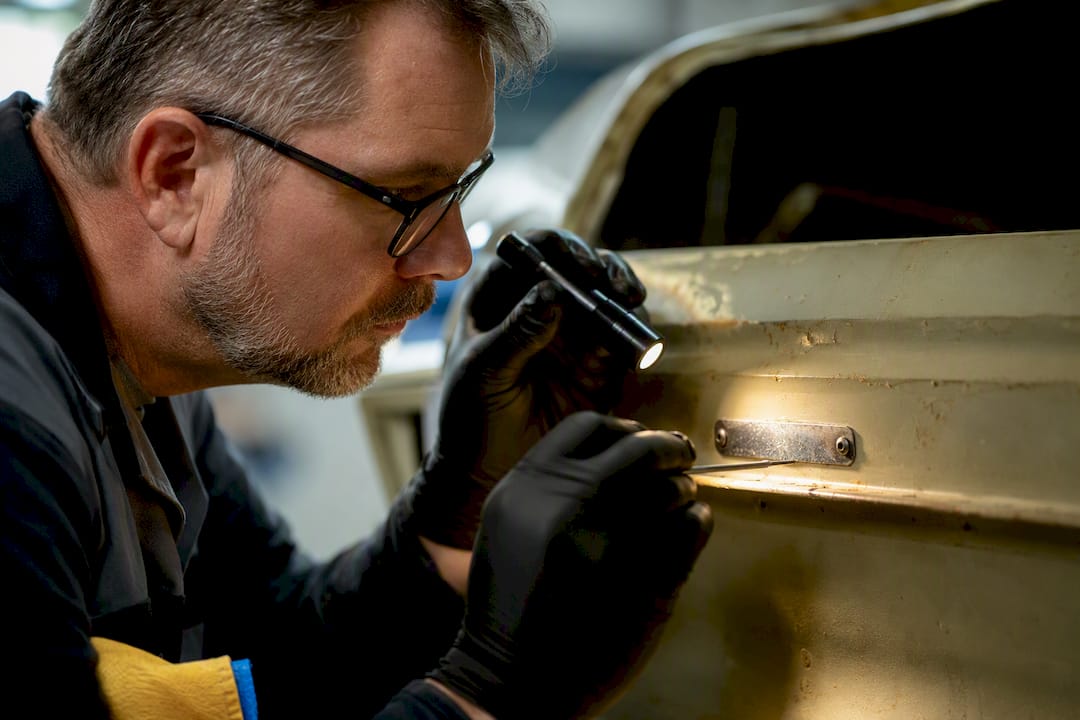
Mentioning any known inspection quirks in your listing description, especially if you know the car has already passed a safety or emissions check recently, gives buyers one less thing to worry about and can shorten their path to the road after they take delivery.
What Should You Know About Classic Car Plates and Permits?
Many states offer dedicated historic, antique, or classic vehicle license plates once a car meets the age and condition requirements for that classification. These plates often come with reduced annual registration fees and sometimes exemptions from standard emissions testing, though they frequently come with usage restrictions, such as limits on how many miles per year the car can be driven or a requirement that it not be used as a daily driver.
Buyers researching your listing may specifically ask whether the car currently carries historic plates or whether it would qualify for them after transfer. If the current registration is standard rather than historic, mentioning that clearly avoids confusion, since some buyers assume classic status and special plates go together automatically. They don't. The vehicle has to meet the age and condition threshold, and the owner has to apply for the designation separately.
Some states also require a one-time permit or club affiliation for certain antique vehicle plate programs, particularly for cars used at shows or parades rather than daily transportation. This is a detail worth flagging in your listing if you know it, since it can influence which buyers see the car as a fit for their intended use, whether that's weekend driving, static collecting, or show circuit appearances.
What Insurance Should Buyers Consider After Registering a Classic Car?
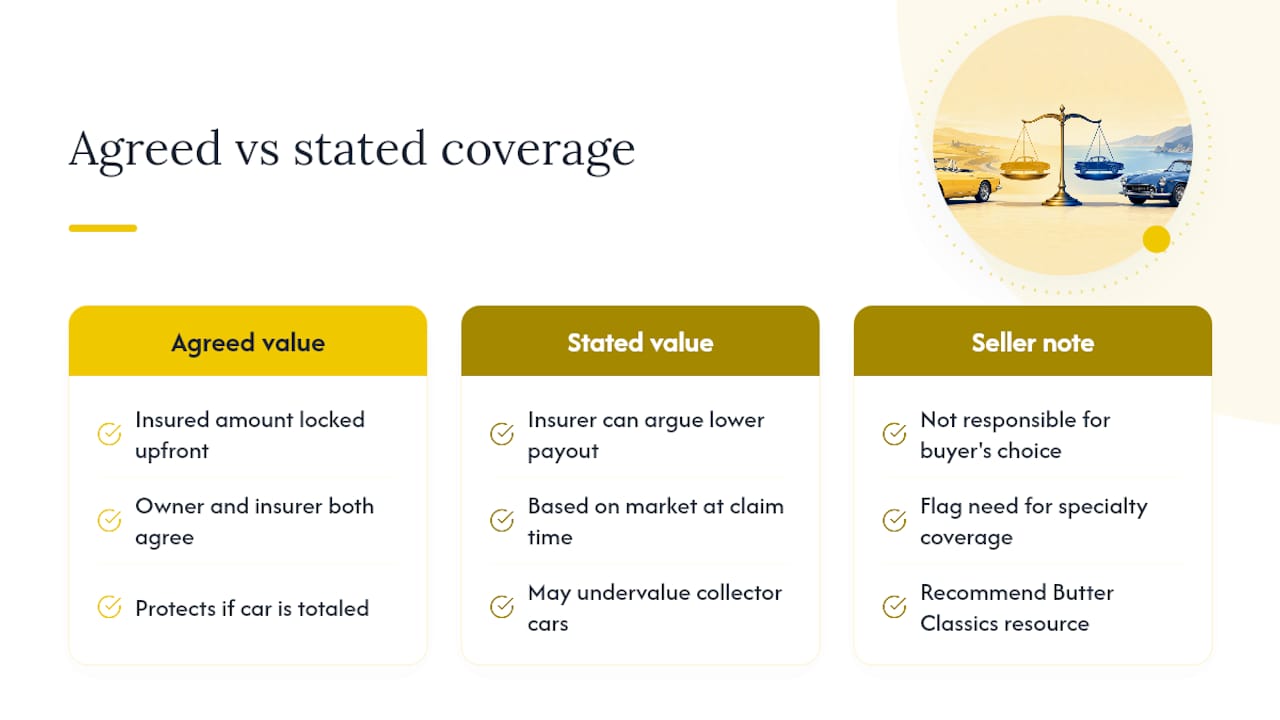
Standard auto insurance policies often undervalue classic and collector cars because they're written around actual cash value, which depreciates with age rather than appreciates the way a well-kept collector vehicle typically does. Buyers moving from a daily driver policy to insuring a classic car for the first time need to understand the difference between stated value and agreed value coverage before they finalize registration.
Agreed value policies lock in a specific insured amount that both the owner and insurer agree to upfront, which matters enormously if the car is ever totaled. Stated value policies, by contrast, still leave the insurer room to argue for a lower payout based on market conditions at the time of a claim. Butter Classics' breakdown of agreed value versus stated value coverage is a useful resource to point buyers toward, especially if they're new to collector car ownership and don't realize their existing policy might not actually cover the car's real worth.
As a seller, you're not responsible for the buyer's insurance decisions, but flagging that the car may need specialty coverage rather than a standard policy is a helpful, trust-building detail in your buyer communications, particularly for higher-value or investment-grade vehicles where the gap between stated and agreed value can run into real money.
How Long Does the Full Registration Process Usually Take?
Timelines split into two distinct phases: how long your Butter Classics listing takes to sell, and how long the buyer's DMV registration takes after the deal closes.
On the marketplace side, time-to-sale depends heavily on pricing accuracy, photo quality, and documentation completeness. A well-priced, well-photographed car with a clean provenance packet can generate serious inquiries within days. A car with vague photos, an incomplete history, or an unrealistic asking price can sit for months regardless of how good the underlying vehicle actually is.
Once a sale closes, the buyer's DMV registration process typically takes anywhere from same-day service at some DMV offices to a few weeks if mail-in processing or a VIN verification appointment is involved. States that require emissions or safety inspections add another variable, since scheduling that inspection can take days depending on local availability.
Sellers who hand over a complete, accurate paperwork packet, meaning a clean title, correctly filled bill of sale, and an accurate odometer disclosure, meaningfully shorten the buyer's side of the timeline. It's a small effort on your part that pays off in buyer satisfaction and fewer follow-up calls after the sale.
What Sellers Get Wrong About Selling a Classic Car
The biggest mistake sellers make is treating the listing like a Craigslist ad instead of a sales document. A collector car buyer isn't looking for the cheapest option in a category. They're trying to justify a five or six-figure decision to themselves, and every gap in your documentation or photo set becomes a reason to hesitate or lowball.
The conventional advice to "just take good photos" undersells how much provenance actually drives price. A car with a thin history file and great photos will still get outbid by a car with mediocre photos and a complete build sheet, restoration receipts, and clean title chain. Buyers are pattern-matching for red flags, and missing paperwork reads as a red flag even when there's an innocent explanation behind it.
If you prioritize one thing before listing, make it the provenance packet. Photos get a buyer to click. Documentation gets them to commit. Sellers who treat those as equally important, rather than sequential steps, consistently see faster sales and fewer lowball offers.
— Tony
List Your Classic Car With Butter Classics
If you've made it this far, you already know the checklist: photos, specs, provenance, and a decision between self-listing and consignment. Butter Classics is built to carry that workload for you rather than leaving you to juggle photo hosting, buyer messages, and paperwork verification on your own. The marketplace gives your car detailed listing pages, consignment support if you'd rather hand off the legwork, buyer screening tools, scheduled test drives, and finance pre-qualification so serious buyers can move fast once they're interested.
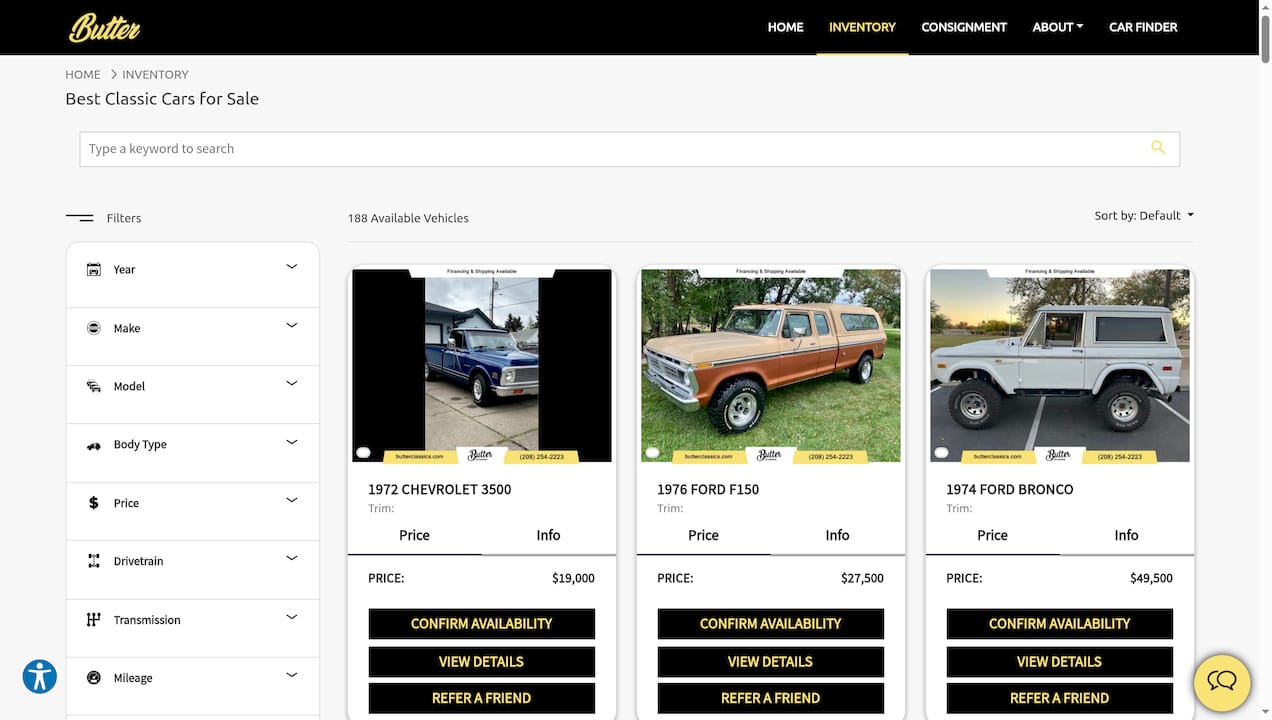
That combination matters because it exposes your car to collector buyers who are already qualified and ready to act, instead of the mixed audience you'd get from a general classifieds site. Whether you want full control over pricing and buyer communication or you'd rather consign and let Butter Classics manage the details, both paths lead to the same inventory where collectors are already browsing. Start a listing today or reach out about consignment to see which approach fits your timeline and your car.