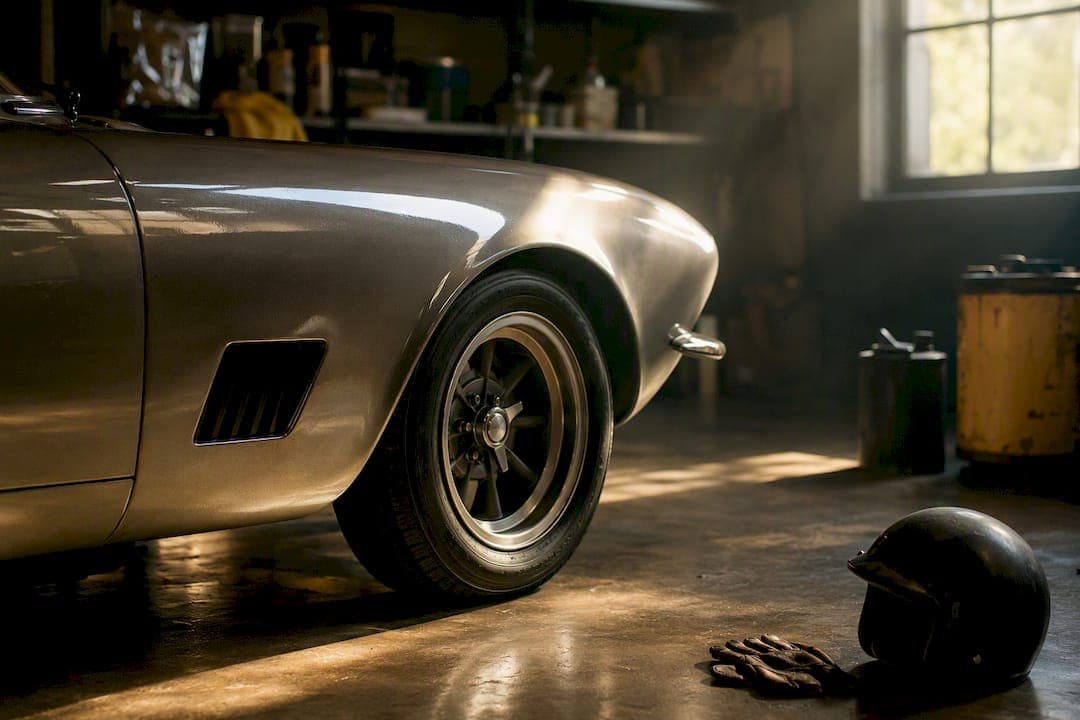
If you want the short answer: the Chevelle usually wins for straight-line performance and restomod potential, while the GTO wins for style, driving refinement, and first-generation collector prestige. Neither is objectively "better." They're built around different personalities.
A big-block Chevelle, whether it's a 1967 SS 396 or a 1970 SS 454, is a torque monster built for the strip. A 1964 or 1967 GTO leans more toward Pontiac's blend of road manners and swagger. If you're chasing raw power and value-per-dollar, start your search in Butterclassics's inventory for a Chevelle. If you want the car that started the muscle car era and carries the collector cachet to match, the GTO is your move.
- Collector: 1964 GTO for historical significance, or an LS6 Chevelle for rarity.
- Weekend driver: 1967 GTO for balanced handling and comfort.
- Restomod project: 1970 Chevelle SS 454 for aftermarket support and big-block headroom.
Key Takeaways
The Chevelle generally delivers more straight-line power and easier parts sourcing, while the GTO offers historical significance and more refined road manners.
| Point | Details |
|---|---|
| Chevelle wins on power | The 1970 SS 454 LS6 and 1967 SS 396 L78 deliver the strongest straight-line performance of the comparison. |
| GTO wins on pedigree | The 1964 first-generation GTO holds outsized historical value as the car that launched the muscle car segment. |
| Documentation drives price | Matching numbers, build sheets, and ownership history often add more value than condition alone. |
| Parts availability favors Chevelle | Chevrolet's higher production volume makes reproduction panels and drivetrain parts easier to find than GTO equivalents. |
| Butterclassics simplifies verification | The marketplace lists detailed photos, specifications, and inventory to help buyers confirm a Chevelle or GTO before committing. |
Table of Contents
- Chevelle vs GTO at a Glance: Iconic Years and Trims
- Where the Chevelle and GTO Fit in Muscle Car History
- Chevelle GTO Performance Comparison: Engines and Driving Feel
- Styling and Platform Differences That Affect Value
- Which Chevelle and GTO Years Command the Highest Prices
- What Owning a Chevelle or GTO Actually Costs You
- Buying Checklist: How to Evaluate Any Chevelle or GTO
- Matching the Right Model to Your Budget and Goal
- What Butterclassics Sees Across Chevelle and GTO Listings
- An Editorial Take on Chevelle vs GTO
- Find Your Chevelle or GTO Through Butterclassics
- Frequently Asked Questions
- Sources
Chevelle vs GTO at a Glance: Iconic Years and Trims
Four model years anchor most Chevelle vs GTO conversations among serious buyers. Knowing their headline numbers narrows your search fast.
- 1964 Pontiac GTO (first generation): 389-cubic-inch V8, commonly rated between 325 and 348 hp depending on carburetion (Tri-Power vs single four-barrel). This is the car that arguably invented the muscle car segment, and first-year originality drives premium interest.
- 1967 Pontiac GTO: 400-cubic-inch V8 replaced the 389, with Ram Air options pushing output higher in factory literature. Buyers chase the '67 for its cleaner styling update and available four-speed manuals.
- 1967 Chevrolet Chevelle SS 396: The L78 396 variant is documented reaching roughly 0 to 60 in about 6.5 seconds and mid-14-second quarter miles in Motor Trend's period testing, a meaningful jump over lower-output L35/L34 versions of the same engine.
- 1970 Chevrolet Chevelle SS 454: The LS5 advertised around 360 hp and roughly 500 lb-ft of torque, while the LS6 variant pushed output higher still and is frequently cited as the quarter-mile king of production Chevelles.
Each of these four represents the trim collectors search for first. Everything else in the Chevelle and GTO lineup is a variation on these themes.
Where the Chevelle and GTO Fit in Muscle Car History
Pontiac fired the opening shot. The GTO launched in 1964 as an options package on the midsize Tempest, built specifically to dodge GM's displacement restrictions on smaller cars. It worked. Pontiac created an entire category almost by accident, and the GTO became the brand's performance halo car for the rest of the decade.
Chevrolet answered differently. The Chevelle rode on GM's versatile A-body platform and got a full redesign in 1966, opening the door to a wider spread of small-block and big-block engine options. Where the GTO played the specialist, the Chevelle played the generalist that could also brawl.
- GTO's role: Pontiac's factory performance flagship, built on reputation and styling.
- Chevelle's role: Chevrolet's flexible A-body muscle car, scalable from mild to wild.
- Factory options that matter today: Tri-Power carburetion, Ram Air induction, and SS badge packages all carry real weight at auction because they signal a car built for performance from day one, not upgraded later.
Chevelle GTO Performance Comparison: Engines and Driving Feel
This is where the Chevelle vs GTO debate gets interesting, because the two cars solve the same problem with different engineering philosophy.
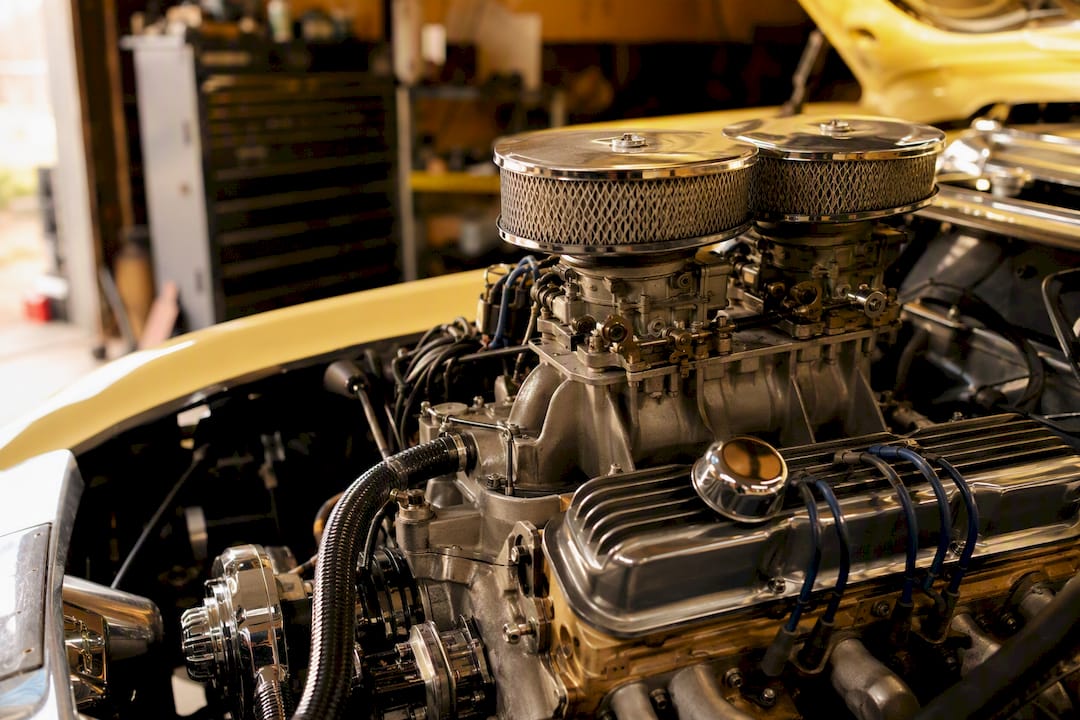
The Chevelle's big-block story starts with the 396 and ends with the 454. In 1970, the SS 454 LS5 advertised roughly 360 hp and about 500 lb-ft of torque, while the LS6 option cranked output higher and remains one of the most extreme factory production packages of the era. Three years earlier, the 1967 SS 396 already showed how much optioning mattered: cars with the L78 version of the 396 ran roughly 0 to 60 in 6.5 seconds and quarter-mile times in the mid-14s under test conditions, according to period Motor Trend testing reported by Hot Rod. Lower-output L35 and L34 versions of the same 396 were noticeably slower. Two Chevelles with the same badge on the trunk lid can perform very differently depending on what's under the hood.
The GTO's engine story runs through the 389 in 1964 to 1966, then the 400-cubic-inch V8 starting in 1967. Factory literature quoted output in the 325 to 360 hp range depending on carburetion, with Tri-Power and later Ram Air packages bumping things up. The GTO never chased the same big-block ceiling as the Chevelle SS 454, and that's by design. Pontiac tuned the GTO for a blend of drama and drivability rather than outright brute force.
Transmission choices shape the experience too. Both cars offered three- and four-speed manuals alongside GM's Turbo-Hydramatic automatics. A four-speed Muncie behind a 396 or 400 feels raw and mechanical, with every gear change a physical event. The Turbo-Hydramatic cars trade some of that theater for smoother, more modern-feeling acceleration, which matters if you plan to drive the car regularly instead of trailering it to shows.
On the road, the difference in character is obvious within the first mile. Big-block Chevelles deliver torque low in the rev range, the kind of shove that makes stoplight launches feel effortless. Archival drag footage comparing period Chevelle SS models to rivals consistently shows this torque-first character winning the straight line against higher-revving small-block competition. The GTO, by contrast, feels more balanced through corners and more composed at speed, part of why recent collector comparisons often frame it as the more refined cabin experience of the two.
- Big-block Chevelles (396/454): torque-heavy, straight-line dominant, mechanically raw.
- GTO (389/400): balanced handling, smoother road manners, strong style presence.
- Manual transmissions favor engagement; automatics favor everyday usability.
Pro Tip: Advertised factory horsepower rarely matches real-world output exactly. Before you trust a listing, ask for engine casting numbers, compression stamps, and a build sheet or Protect-O-Plate. A numbers-matching LS6 or Ram Air GTO commands a real premium, but only if the paperwork backs it up.
Styling and Platform Differences That Affect Value
Both cars share GM's A-body underpinnings, but the execution diverges enough that spotting an original takes a trained eye.
- Body signatures: The Chevelle's 1966 to 1972 generation carries Chevrolet's coke-bottle hips and a simpler grille treatment, while the GTO's hidden headlight options (on certain years) and split grille give it a more theatrical face.
- Hood and cowl variations: Cowl induction hoods on later Chevelle SS models and functional Ram Air scoops on GTOs both matter for authenticity checks, since reproduction hoods are common and not always correctly documented.
- Rust zones: Both platforms share the same A-body weak points: trunk floors, rear frame rails, and lower quarter panels. Inspect these before anything else.
- Parts availability: Chevelle sheet metal and drivetrain parts benefit from Chevrolet's larger production volume, meaning reproduction panels and mechanical components are generally easier and cheaper to source than equivalent GTO parts.
That parts gap alone shifts a lot of restoration budgets in the Chevelle's favor, even before you factor in engine costs.
Which Chevelle and GTO Years Command the Highest Prices
Rarity and documentation drive value more than nostalgia does, and a few trims consistently rise to the top of both camps.
On the Chevelle side, the 1970 SS 454 LS6 sits at the top of most want lists. Its combination of extreme factory output and low original production numbers makes it, as Chevy Reviews notes, one of the most sought-after production muscle cars of any brand. The 1967 SS 396 with the L78 engine option isn't far behind, since it represents the same performance philosophy in a slightly earlier, arguably cleaner body style.
On the GTO side, first-year 1964 models draw premium interest purely for historical significance. Cars documented as Tri-Power originals command noticeably more than their single-carburetor siblings. The 1967 GTO with factory Ram Air and a four-speed manual is the other major target, prized for the era's cleanest styling combined with genuine performance credentials.
Auction results for both nameplates swing widely based on originality. A driver-quality Chevelle or GTO with a replacement engine might sell in the mid five figures, while a documented, matching-numbers example with rare factory options can climb well past six figures at major auction houses. Treat any specific number you see online as a range indicator, not a guarantee. Provenance is what actually moves the needle: a build sheet, a Protect-O-Plate, dealer invoice, or a documented ownership chain can add tens of thousands of dollars to an otherwise identical car. Continued strong demand for classic V8 muscle keeps both markets active, and understanding what makes a car collectible helps you separate a fairly priced original from an overpriced clone.
- Top Chevelle target: 1970 SS 454 LS6, followed by 1967 SS 396 L78.
- Top GTO target: 1964 Tri-Power original, followed by 1967 Ram Air four-speed.
- Documentation (build sheets, casting numbers, ownership history) often matters more than mileage.
What Owning a Chevelle or GTO Actually Costs You
Buying the car is the easy part. Keeping it running, rust-free, and insured is where the real decisions happen.
- Check rust hotspots first: trunk floors, frame rails, rear quarters, and floor pans on both platforms.
- Verify drivetrain matching numbers against the trim tag and VIN before you negotiate price.
- Inspect brakes, suspension bushings, and steering components, since these wear out on cars that sat unused for decades.
- Look closely at wiring harnesses and fuel systems, especially on cars that haven't run regularly.
Restoration costs tend to run higher on GTOs simply because parts supply is thinner than Chevelle's, a gap restoration difficulty guides consistently flag for Pontiac-specific trim and drivetrain pieces. Daily driver upkeep is roughly comparable between the two once you're past initial restoration.
Insurance for either car usually runs through agreed-value policies rather than standard auto coverage. Insurers typically want photos, an appraisal, and documentation of storage conditions before writing a policy, and a numbers-matching car with paperwork almost always insures for a higher agreed value than an unverified equivalent.
Buying Checklist: How to Evaluate Any Chevelle or GTO
Work through these steps in order before you commit to any listing, whether it's a barn find or a fully restored showpiece.
- Verify the VIN and trim tag against the seller's documentation and confirm they match the body style and engine claimed.
- Check matching numbers on the engine block, transmission, and rear end against factory records.
- Request service history and any prior restoration receipts to understand what's original versus replaced.
- Inspect for rust in trunk floors, frame rails, and rocker panels, ideally with the car on a lift.
- Test drive for unusual noises, transmission shift quality, and steering play.
- Ask pointed questions: Why is the car being sold? Has it been in an accident? Are there gaps in the ownership chain?
Red flags include mismatched paint overspray, missing build sheets on a car advertised as "numbers matching," and sellers unwilling to allow a third-party inspection.
Pro Tip: Always request a pre-purchase inspection from an independent mechanic who specializes in classic GM muscle, not a general shop. They'll catch things a casual walkaround misses, like incorrect date codes on major components.

Matching the Right Model to Your Budget and Goal
Three budget tiers roughly define what you'll find in either camp: driver-quality (needs mechanical work, cosmetic flaws), restored (older restoration, solid but not concours), and concours (documented, show-ready, matching numbers). At every tier, GTOs generally cost more for equivalent condition due to scarcer parts and smaller production runs.
- Collector chasing history: 1964 GTO, ideally Tri-Power documented.
- Restomod builder: 1970 Chevelle SS 454, since aftermarket support for big-block Chevelles is extensive.
- Weekend driver wanting balance: 1967 GTO for its handling and cabin refinement.
- Straight-line performance chaser: 1967 SS 396 or 1970 SS 454 Chevelle, full stop.
If you value rarity and pedigree above all else, lean GTO. If you value power-per-dollar and easier parts sourcing, lean Chevelle.
What Butterclassics Sees Across Chevelle and GTO Listings
Patterns emerge when you watch enough classic muscle inventory move through a marketplace. Chevelle SS 396 and 454 variants tend to appear more frequently than equivalent GTOs, a reflection of Chevrolet's higher original production numbers. Condition levels on both nameplates skew toward "driver quality with some restoration history" rather than untouched originals, which makes documentation review essential on nearly every listing you'll encounter.
- Chevelle SS models show up in inventory more often than GTOs of comparable years.
- Most listings for either car fall between driver-quality and older-restoration condition, not concours.
- Verified photo sets and documented VIN histories separate serious listings from vague ones.
Pro Tip: When reviewing any listing, request detailed engine bay and undercarriage photos, a VIN decode, and any available inspection reports before scheduling a viewing. It saves a wasted trip if the car doesn't match its description.
Browsing verified inventory with this kind of documentation attached takes a lot of guesswork out of the Chevelle vs GTO decision.
An Editorial Take on Chevelle vs GTO
Collectors love to argue horsepower numbers, but the real decision usually comes down to what kind of story you want to tell with the car. A big-block Chevelle tells a story about raw mechanical force, unpretentious and direct. A GTO tells a story about where the whole muscle car idea began.
Neither answer is wrong. Choosing between them means being honest about whether you want to win the argument at a stoplight or win it at a car show.
Find Your Chevelle or GTO Through Butterclassics
Reading spec sheets only gets you so far. At some point you need to see verified photos, confirm a VIN, and actually sit behind the wheel, and that's exactly where Butterclassics fits into your search.
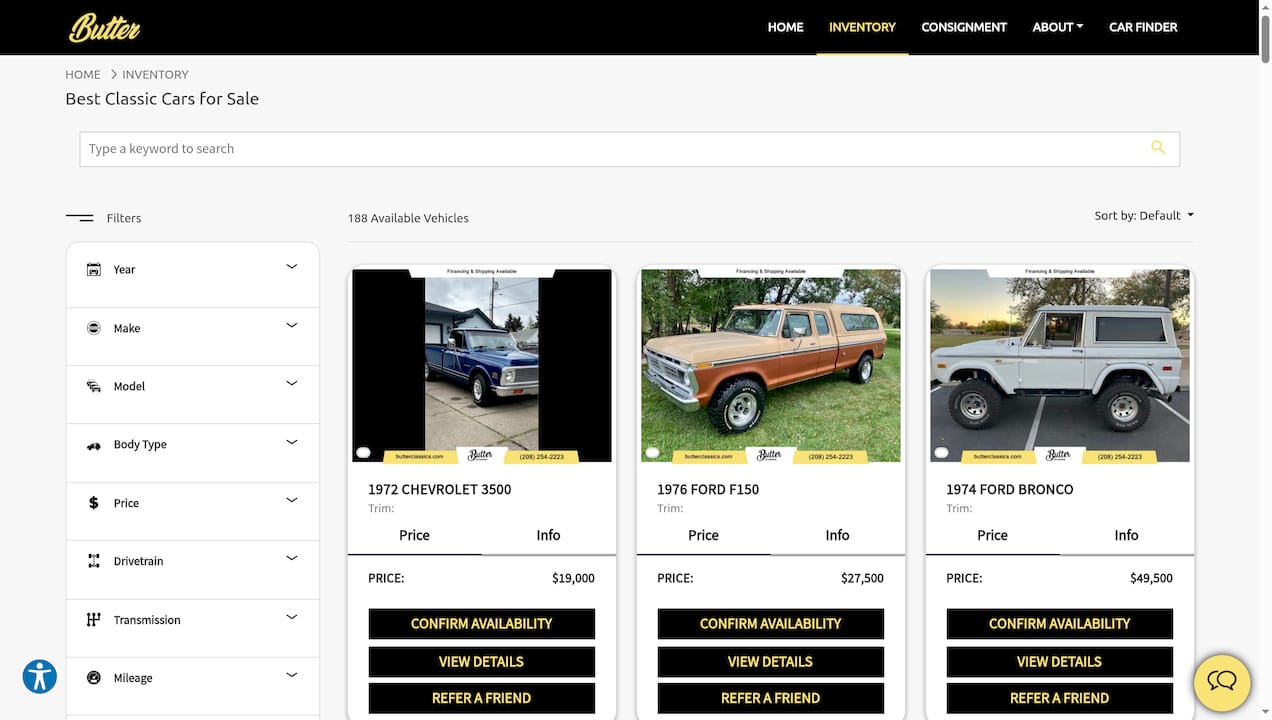
The marketplace lists detailed Chevelle and GTO inventory with high-resolution photos and documented specifications, so you're comparing real cars instead of guessing from a few blurry pictures. If you're chasing a specific trim, like a numbers-matching LS6 or a Tri-Power '64 GTO, the car finder service can hunt for that exact build on your behalf. Financing pre-qualification and consignment services round out the offering for buyers and sellers alike, and once a listing catches your eye, you can move straight to scheduling an in-person look. Start by browsing current Chevelle and GTO listings, or go ahead and schedule a test drive on a car you're serious about.
Frequently Asked Questions
Which is faster, a Chevelle or a GTO? A big-block Chevelle, particularly the 1970 SS 454 LS6 or 1967 SS 396 L78, generally outperforms a comparable GTO in straight-line acceleration. The GTO's 389 and 400 engines prioritize balance over outright quarter-mile times.
Is a 1964 GTO worth more than a 1967 GTO? First-year 1964 GTOs, especially Tri-Power originals, often command a premium for historical significance. A well-documented 1967 with Ram Air and a four-speed manual can rival or exceed that value depending on originality and condition.
Are GTO parts harder to find than Chevelle parts? Yes, generally. Chevrolet's higher original production volume means reproduction sheet metal and drivetrain components for the Chevelle are more widely available and typically less expensive than GTO equivalents.
What should I check before buying either car? Verify the VIN and trim tag, confirm matching numbers on the engine and transmission, inspect for rust in the trunk floor and frame rails, and request a professional pre-purchase inspection before finalizing any deal.
Does a Chevelle or GTO cost more to insure? Both typically qualify for agreed-value collector policies rather than standard auto insurance. Documented, numbers-matching cars usually insure for higher agreed values than unverified examples, regardless of make.
Sources
- Big Block Battle: 1970 Chevelle SS 454 Vs. SS 396 | Chevy Reviews
- 1967 Chevelle A-body comparison
- 1967 Chevy Chevelle SS vs. 1967 Pontiac GTO
- 1967 Chevy Chevelle SS vs. 1967 Pontiac GTO: Which Would You Buy? - Best Coming Autos