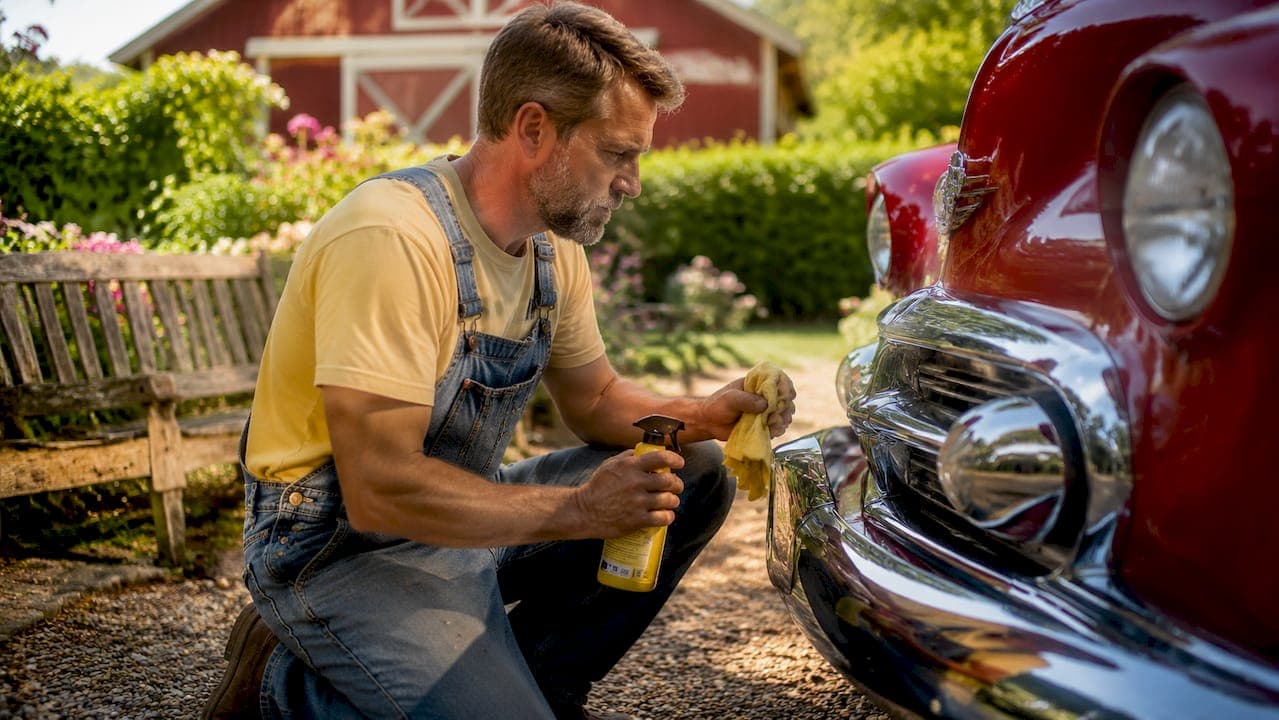
Classic car chrome restoration is defined as the process of returning deteriorated chrome finishes on vintage vehicles to their original reflective condition, using methods that range from surface polishing to full electroplating. Getting this right matters because chrome is one of the first things a buyer or judge notices on a classic car. The wrong method can destroy original plating that took decades to develop. Understanding the types of classic car chrome restoration puts you in control of both the outcome and the cost.
What are the main types of classic car chrome restoration?
Chrome reconditioning preserves the original plating through non-destructive polishing, while full re-plating involves stripping the metal down to bare substrate and rebuilding the entire layer sandwich. These two categories cover most restoration scenarios. Choosing between them depends on how deep the damage goes and how much originality you want to preserve.
Reconditioning suits lightly oxidized or surface-dulled chrome. It removes contamination and restores shine without touching the underlying nickel or copper layers.
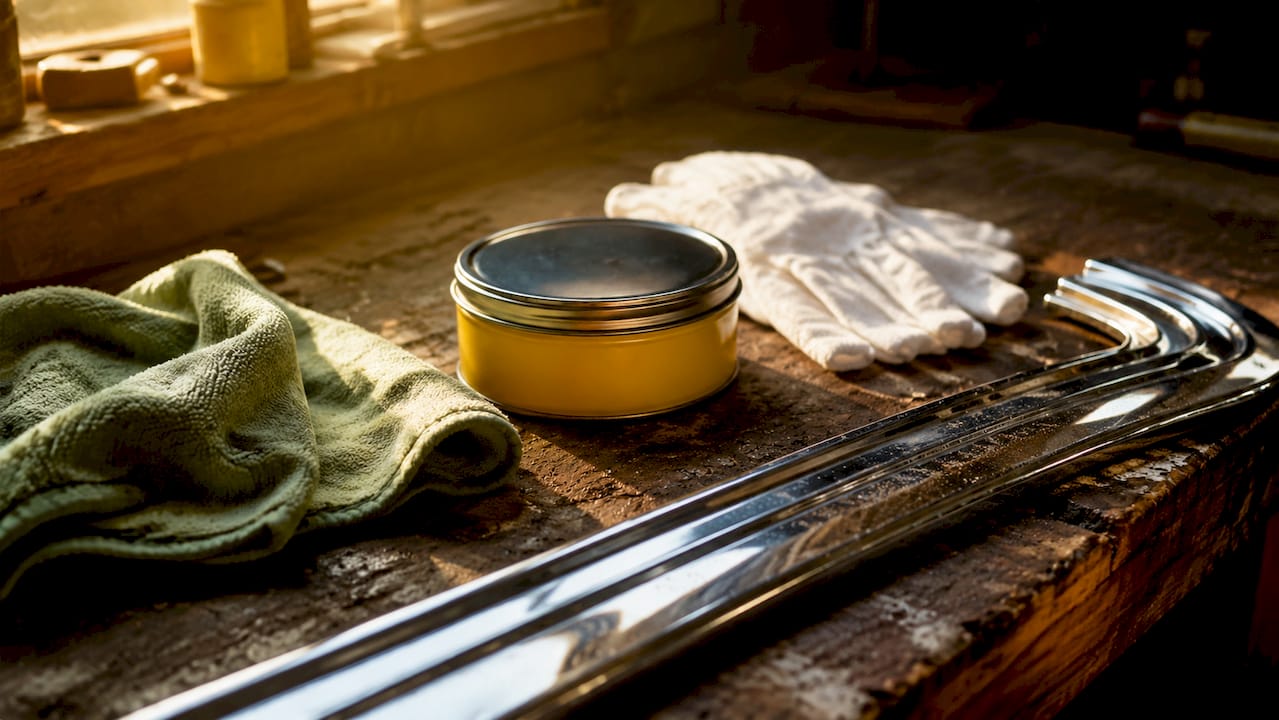
Full re-plating is the answer when you see deep pitting, peeling, or structural corrosion. The original chrome, nickel, and copper layers are stripped away chemically or electrolytically, and new layers are deposited in sequence.
Two additional categories matter for classic car owners:
- Wet sanding and compound polishing: Used for moderate oxidation, curb rash on wheels, or surface scratches. More aggressive than basic polishing but still non-destructive.
- Specialized and modern alternatives: Includes PVD coatings, vacuum metallization for plastic trim, and temporary stabilization products for peeling areas.
Pro Tip: Never assume re-plating is the upgrade. On a numbers-matching show car, original plating with light oxidation is worth more than fresh chrome from a plating shop.
How to properly recondition classic car chrome finishes
Reconditioning is the most accessible chrome restoration technique for owners who want to handle the work themselves. Done correctly, it restores significant shine without risking the thin chrome flash layer that sits on top of the nickel base.
-
Clean the surface first. Wash the part with soap and water to remove road grime, wax, and loose contamination. Dry it completely before touching it with any abrasive.
-
Apply 0000-grade steel wool for light oxidation. Professionals recommend 0000 steel wool for safe oxidation removal on chrome. Coarser grades scratch the chrome flash and expose the nickel underneath.
-
Follow with a dedicated chrome polish. Work the polish into the surface using a clean microfiber cloth. Chrome polish contains very fine abrasives that level minor surface irregularities without cutting through the plating.
-
Use wet sanding for deeper damage. For curb rash on wheels or heavier oxidation, start at 400 grit waterproof sandpaper and work through 800, 1500, and 3000 grit progressively. Each stage removes the scratches left by the previous one.
-
Finish with a two-stage professional polish. A two-stage restoration approach uses an abrasive leveling stage at approximately 3.5 microns followed by nano-polishing at approximately 0.5 microns. This achieves up to 95% light reflection accuracy on chrome finishes.
-
Choose the right tool for the part. DA polishers with small throw lengths maintain heat control when working on larger flat sections. Manual hand polishing remains the safest choice for intricate trim pieces, badges, and tight curves.
-
Protect the restored surface. Apply a chrome-specific sealant or wax after polishing. This slows re-oxidation and makes future maintenance much easier.
Pro Tip: Linear motion with 0000 steel wool along the part's grain prevents visible swirl marks and makes the next polish step easier. Circular motions create micro-marring that shows up under direct light.
Understanding full re-plating: when and how to restore deep chrome damage
Full re-plating is the correct choice when reconditioning cannot fix the damage. Deep pitting, large peeling sections, or corrosion that has reached the base metal all require stripping and rebuilding the entire plating system.
The layer structure of decorative chrome plating on classic cars follows a specific sequence:
- Copper base layer: Applied first to the bare metal substrate. It fills micro-pores and creates a smooth foundation for the layers above.
- Nickel layer: The most important layer for appearance and protection. Nickel provides mirror reflectivity and corrosion resistance. The chrome layer above it is too thin to do either job alone.
- Chrome flash: Ultra-thin decorative chrome measures only 0.25–0.8 micrometers thick. Its job is luster and tarnish resistance, not structural protection.
Before any new plating goes on, the base metal condition must be inspected. Pitting in the steel or aluminum substrate must be filled and leveled, or the new chrome will mirror every flaw underneath.
One critical rule: hard chrome cannot be applied over decorative chrome. The nickel layer's ductility causes delamination under hard chrome's rigidity. Full stripping is always required before re-plating.
Environmental regulations around hexavalent chromium in plating baths are strict in most U.S. states. A reputable plating shop will handle waste disposal and regulatory compliance. Always ask about their environmental certifications before handing over parts.
| Condition | Recommended approach |
|---|---|
| Light oxidation, surface dullness | Reconditioning with polish and 0000 steel wool |
| Moderate scratches or curb rash | Wet sanding progression (400–3000 grit) |
| Deep pitting or peeling | Full re-plating with chemical strip |
| Structural cracks in the part | Part replacement before any plating |
Specialized chrome restoration types and modern alternatives
Not all chrome on a classic car is the same material. Trim pieces, bezels, and badges from the 1960s and 1970s often used plastic substrates with a thin metallic coating rather than traditional electroplated steel.
-
PVD coatings: Physical vapor deposition applies a thin metallic film in a vacuum chamber. PVD chrome is harder and more corrosion-resistant than traditional decorative chrome. It is increasingly used in restoration when originality is not a concern and durability is the priority.
-
Vacuum metallization for plastic parts: Plastic chrome parts like bezels and badges use vacuum metallization or electroplated plastics with thinner reflective layers. These require specialized topcoats for durability. Spot fixes for peeling plastic chrome are typically temporary fixes, not permanent solutions.
-
Temporary stabilization products: Chrome touch-up pens and chrome paint sprays exist for peeling or pitted areas. They buy time but do not restore the original finish. Use them only when a full repair is not yet possible.
-
Replacement over restoration: For rare plastic chrome parts where the substrate has warped or cracked, replacement is the better call. Trying to re-metallize a structurally compromised plastic piece wastes money and time.
-
Compatibility awareness: Never attempt to apply hard chrome over existing decorative chrome trim. The layer incompatibility causes peeling within months. Any re-plating job on decorative trim requires full stripping back to bare metal or plastic.
Understanding which type of chrome you are working with before you start saves you from applying the wrong method. Check whether the part is steel, aluminum, or ABS plastic before choosing a restoration path. You can learn more about maintaining historical accuracy across all restoration decisions on classic vehicles.
How to choose the right chrome restoration method for your classic car
The right method depends on three things: the severity of the damage, the car's purpose, and your budget. Getting this assessment right before spending money is the most valuable step in the whole process.
- Oxidation only: Surface dullness with no pitting responds well to reconditioning. This is the cheapest and fastest path, and it preserves original plating.
- Pitting or peeling: Once pitting reaches the nickel layer or peeling exposes bare metal, reconditioning cannot fix it. Full re-plating is the only lasting solution.
- Structural cracks: Structural cracks in chrome parts require part replacement before any plating work. No amount of chrome can bridge a crack in the substrate.
- Show cars: Judges at concours events reward correct original plating over bright new chrome. Reconditioning is almost always preferred for show-quality restorations. When re-plating is necessary, match the original finish specification, not a modern bright chrome look.
- Daily drivers: Durability matters more than originality for a car that sees regular use. PVD coatings or fresh re-plating with a protective topcoat make practical sense.
- Investment-grade vehicles: Evaluating chrome condition is part of any serious pre-purchase inspection. Original chrome in good condition adds value. Over-restored chrome can actually reduce a collector car's value at auction.
Maintenance after restoration matters as much as the restoration itself. Clean chrome regularly with a pH-neutral soap, dry it immediately after washing, and apply a chrome sealant every few months. This routine extends the life of any restoration method significantly.
Key takeaways
The best classic car chrome restoration method is always the least invasive one that fully corrects the damage, preserving original plating wherever possible and re-plating only when the damage demands it.
| Point | Details |
|---|---|
| Match method to damage | Use reconditioning for oxidation; reserve full re-plating for pitting, peeling, or bare metal exposure. |
| Layer structure matters | Decorative chrome is only 0.25–0.8 μm thick; the nickel layer below it does the real protective work. |
| Plastic chrome is different | Vacuum metallization parts need specialized topcoats and are often better replaced than spot-repaired. |
| Hard chrome is incompatible | Never apply hard chrome over decorative chrome; full stripping is always required first. |
| Maintenance extends results | Regular cleaning and chrome sealant application protect any restored finish and delay re-treatment. |
What I've learned about chrome restoration after years with classic cars
The most common mistake I see is owners treating chrome restoration as a cosmetic upgrade rather than a preservation decision. Chrome on a 1965 Mustang or a 1957 Chevy is not just shiny metal. It is a record of how that car was built and finished. When you strip it and re-plate it, you erase part of that record permanently.
My honest advice is to recondition first and re-plate only when you have no other choice. I have seen cars come through with chrome that looked hopeless under fluorescent lights but polished up beautifully with 0000 steel wool and a quality polish. The original nickel layer underneath was intact. That original plating, even with some age to it, tells a more authentic story than fresh chrome from a plating shop.
Where I do encourage re-plating is on parts that have been previously damaged by poor repairs or where the base metal has corroded through. In those cases, a quality re-plate done by a shop that understands vintage bodywork standards is the right call. Get the base metal right before any plating goes on. A perfect chrome finish over a pitted substrate is money wasted.
For DIY enthusiasts, start with the least aggressive method and work up only if needed. The tools are accessible and the technique is learnable. Just respect how thin that chrome flash really is. It is measured in fractions of a micrometer. Treat it accordingly.
— Tony
Butterclassics and the classic cars worth restoring
Knowing your chrome restoration options is one part of the picture. Finding a classic car worth restoring in the first place is the other.
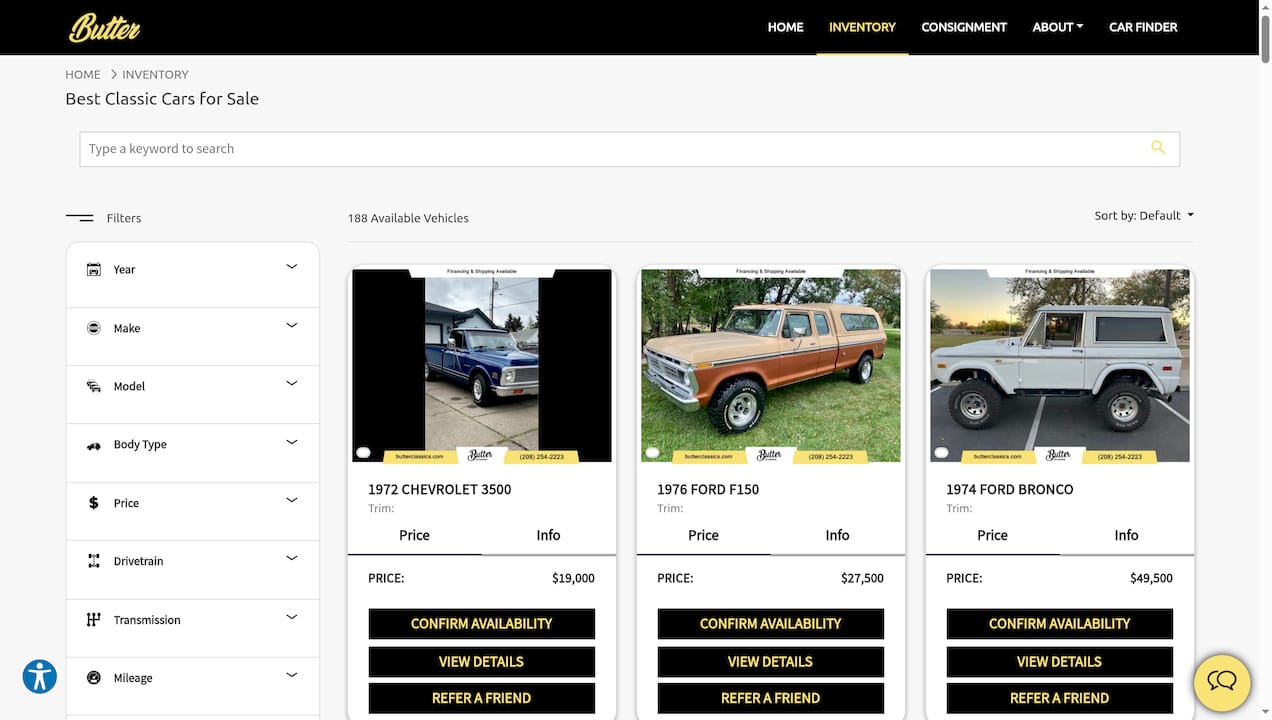
At Butterclassics, every vehicle in the inventory is selected with collectors and restorers in mind. The Butter Certified program sets clear restoration and inspection standards so you know exactly what condition you are buying into. No guessing about what the chrome looks like underneath a fresh detail. Browse the full classic car inventory to find muscle cars, Corvettes, Broncos, and more, each listed with detailed specs and high-quality photos. When you are ready to find a car that is smooth as butter, we are ready to help.
FAQ
What is the difference between chrome reconditioning and re-plating?
Chrome reconditioning polishes and removes oxidation from the existing plating without stripping it. Re-plating removes all original layers and deposits new copper, nickel, and chrome in sequence, which is necessary for deep pitting or peeling.
Can you restore chrome at home without professional equipment?
Yes, for light oxidation and surface dullness. Use 0000-grade steel wool and a dedicated chrome polish for safe DIY results. Wet sanding with 400–3000 grit waterproof paper handles moderate damage on wheels and trim.
How thick is the chrome layer on classic car trim?
The decorative chrome flash on classic car trim measures only 0.25–0.8 micrometers thick. The nickel layer beneath it provides the actual corrosion resistance and mirror reflectivity.
When should chrome parts be replaced instead of restored?
Replace chrome parts when the substrate has structural cracks, when plastic chrome has warped, or when corrosion has eaten through the base metal. No plating process can fix a structurally compromised part.
Does re-plating reduce a classic car's value?
Re-plating can reduce value on investment-grade or concours vehicles where original plating is expected. On daily drivers or heavily damaged cars, quality re-plating restores both appearance and value.