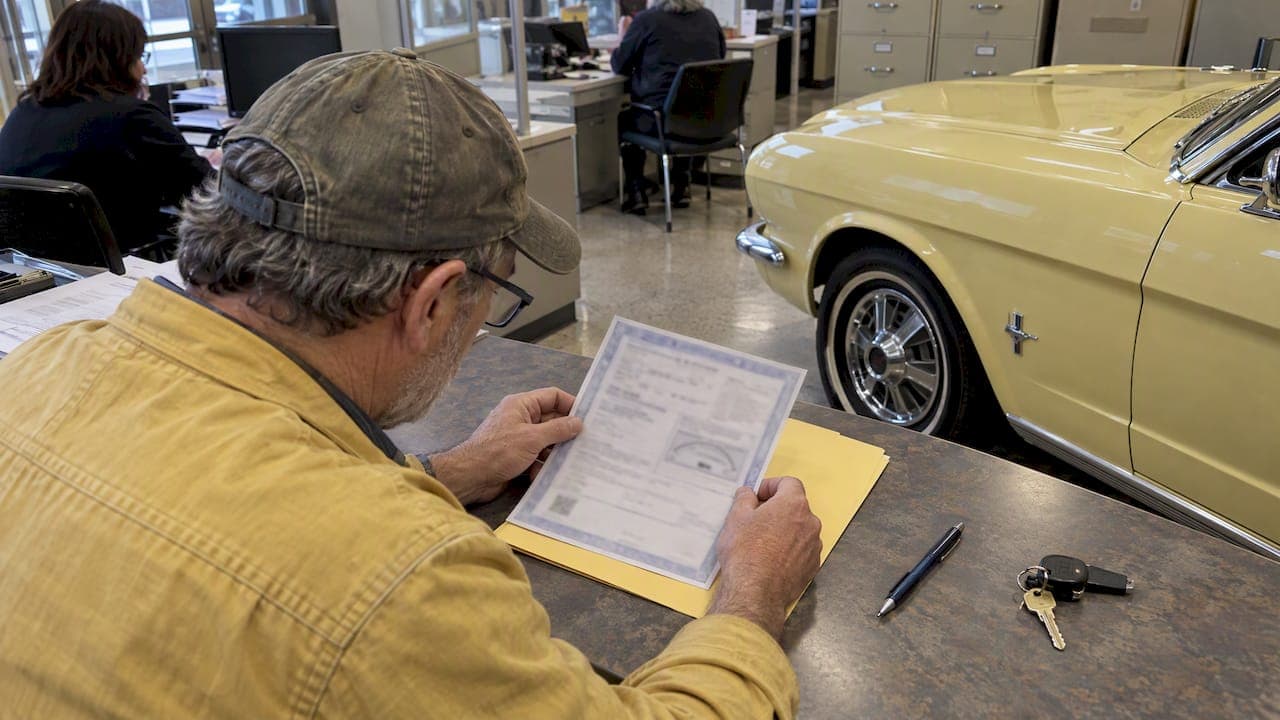
"Odometer exempt" means federal rules do not require a seller to disclose a numeric mileage figure for that vehicle under 49 CFR § 580.17. If you're buying or selling one, the title may simply have no mileage listed, so you'll want to verify the vehicle's condition and history yourself instead of assuming anything about its mileage. Exempt status never makes tampering with an odometer legal.
TL;DR:
- Vehicles over 16,000 pounds GVWR, trailers, and non-self-propelled equipment are exempt from odometer disclosure regardless of age.
- Exempt status does not permit odometer tampering, which is a federal crime punishable by prosecution and significant damages.
- The exemption thresholds differ: older vehicles (2010 and earlier) are exempt after 10+ years, while newer models (2011 and later) require 20+ years to qualify.
- Title brands vary by state, with some states marking exempt vehicles as such and others converting those labels after verification, affecting resale value.
- Buyers should verify the vehicle history, review maintenance records, and request a professional inspection before purchasing an exempt vehicle.
Table of Contents
- Breaking Down 49 CFR § 580.17 and Who Qualifies as Exempt
- Trailers, Heavy Trucks, and Other Exempt Edge Cases
- Why Exempt Status Doesn't Excuse Odometer Tampering
- How States Record and Brand "Exempt" on Titles
- A Buyer's Checklist for Verifying Mileage on an Exempt Vehicle
- What Sellers Should Do When Transferring an Exempt Vehicle
- What "Exempt" Looks Like in Classic Car Transactions
- The Bottom Line on Odometer Exempt Vehicles
- Buy or Sell With Documentation You Can Trust
- FAQ
- Sources
Breaking Down 49 CFR § 580.17 and Who Qualifies as Exempt
The federal odometer disclosure rule exists to stop sellers from hiding true mileage during a sale. But 49 CFR § 580.17 carves out several categories of vehicles where that disclosure simply isn't required, usually because the mileage reading wouldn't mean much anyway or because the vehicle is old enough that precise mileage stops mattering for consumer protection purposes.
Here's who qualifies for the exemption:
- Heavy vehicles: any vehicle with a gross vehicle weight rating (GVWR) over 16,000 pounds.
- Non-self-propelled vehicles: trailers, towed equipment, and anything that doesn't move under its own power.
- Older model-year vehicles (2010 and earlier): exempt once the vehicle is 10 or more years past its model year.
- Newer model-year vehicles (2011 and later): exempt once the vehicle is 20 or more years past its model year, a threshold that phases in fully by 2031.
- Manufacturer-to-government transfers: vehicles sold directly by a manufacturer to the U.S. government.
The model-year math trips people up more than anything else. Say you've got a 2009 model-year truck. Once it is 10 or more years past its model year, disclosure is no longer required. A 2011 model-year car, by contrast, needs to wait the full 20 years past its model year before disclosure requirements no longer apply. That staggered rollout is intentional: regulators built in a slow transition so the exemption threshold doesn't jump overnight for an entire generation of vehicles.
For classic car buyers, this is the rule that explains why so many vintage vehicles simply don't carry a mileage figure on the title at all. It's not a red flag by itself. It's math.
Trailers, Heavy Trucks, and Other Exempt Edge Cases
Once you understand the categories, the real-world examples start making sense. A few scenarios come up constantly for used-vehicle buyers and sellers.
- Trailers and towed equipment never had an odometer to begin with, so the "non-self-propelled" exemption is straightforward: nothing to disclose because there's nothing to measure.
- Heavy commercial trucks over the 16,000-pound GVWR threshold fall outside disclosure rules regardless of age, which also sweeps in some larger RVs and specialty chassis.
- Manufacturer-to-government sales skip disclosure because the transaction isn't a typical retail sale; there's no consumer being protected from a hidden mileage figure in that transfer.
- "First transfer for purposes other than resale" refers to situations where a vehicle moves to its first owner for actual use rather than to a dealer who intends to resell it; this distinction matters for figuring out when disclosure obligations first kick in.
Out-of-state titles add another wrinkle. A vehicle that picked up an "exempt" brand in one state doesn't necessarily keep that exact label everywhere it travels. Some states will honor it as written; others convert it into a different designation depending on their own forms and verification steps. A blank mileage field on a title isn't automatically suspicious, but it is a cue to ask more questions before you sign anything.
Why Exempt Status Doesn't Excuse Odometer Tampering
Exempt means a number doesn't have to appear on the paperwork. It never means a seller gets a pass to roll back or disable an odometer. Federal law treats mileage fraud as a serious offense, and NHTSA is explicit that marketing, selling, or using any device that alters or blocks an odometer reading violates federal law, regardless of the vehicle's age or exemption status.
Enforcement doesn't stop at the exemption line. The Department of Justice's Consumer Protection Branch prosecutes odometer fraud cases and has pursued both criminal charges and civil remedies against sellers who tamper with mileage. When intent to defraud is proven, a defrauded buyer can pursue monetary damages, including treble damages and attorney's fees, under federal law.
Prosecutors often don't stop at an odometer charge alone. Cases frequently stack in related offenses:
- Mail or wire fraud charges when tampering involves interstate communication or shipping.
- Title forgery charges when the paperwork itself has been altered to hide the fraud.
- Conspiracy charges when multiple parties, such as a seller and a mechanic, work together to roll back mileage.
Odometer tampering remains illegal even on vehicles categorized as exempt, and sellers who knowingly alter mileage readings can face criminal prosecution regardless of the vehicle's age. That's the core distinction worth remembering: exemption is a paperwork rule, not a shield against fraud liability.
If you're buying a vehicle with no listed mileage, that's your cue to ask direct questions: has the odometer ever been serviced or replaced, and does the seller have records to back up the vehicle's condition?
How States Record and Brand "Exempt" on Titles
Federal law sets the exemption rule, but each state DMV decides how to record it on the actual title document, and the codes vary.
PennDOT's odometer fact sheet lays out Pennsylvania's system clearly: code "4" on a title means exempt, while code "2" means not actual mileage, a separate designation used when there's evidence the odometer reading doesn't reflect true mileage. If tampering gets verified later, Pennsylvania can convert an exempt brand into the "not actual mileage" code, and that change tends to stick. Once a title carries that kind of brand, reverting it to a clean mileage status afterward is often difficult or impossible, which can weigh on resale value down the line.
Arizona DOT's dealer guidelines treat "exempt" as its own recognized odometer type in the state's system. When an out-of-state title already shows exempt, Arizona generally keeps that same designation rather than reclassifying it, though dealers still need to follow the state's specific forms and procedures.
A few practical takeaways follow from this:
- Title codes differ by state, so "exempt" in one jurisdiction may look different on paper in another.
- Crossing state lines with a title doesn't erase a prior brand; it usually carries forward.
- When in doubt, call the state DMV directly rather than guessing at what a code means.
- Request an official state title record if you want full confidence in a vehicle's documented history.
A Buyer's Checklist for Verifying Mileage on an Exempt Vehicle
A blank mileage field shouldn't stop a sale, but it should trigger a more careful look before you commit. Here's a practical sequence to work through.
- Request the full title history. Ask for every prior title the vehicle has carried, including any out-of-state transfers, and look for odometer status codes along the way.
- Run a vehicle history report. Services like Carfax may flag the vehicle as "exempt from odometer reporting," which simply confirms the federal rule applies; it's not evidence of anything unusual on its own.
- Review maintenance and service records. Years of consistent service invoices tell you far more about a vehicle's real use than a mileage number ever could.
- Get a documented pre-purchase inspection. A qualified mechanic can compare wear patterns (tires, brakes, interior condition, engine wear) against the story you've been told.
- Compare physical condition to claimed history. A vehicle supposedly driven sparingly should show it: minimal wear on pedals, seats, and the steering wheel.
When you're talking to a seller, ask pointed questions: which states has this title passed through, has the odometer ever been repaired or replaced, and can they produce any of the original service records? Our guide on classic car scams walks through more red flags worth watching for during a private sale.
Watch for these warning signs in particular:
- Service records that don't line up with the claimed usage pattern.
- Long gaps in maintenance history with no explanation.
- A seller who resists a pre-purchase inspection or rushes the transfer.
- Title transfers that happened unusually fast across multiple states.
Pro Tip: Ask for maintenance records before you ask about mileage. A well-documented service history tells you more about a vehicle's real condition than any odometer reading would.
What Sellers Should Do When Transferring an Exempt Vehicle
If you're selling a vehicle that qualifies for the exemption, a little diligence up front protects you from disputes later.
- Follow your state's DMV forms exactly when recording an exempt designation on the title; don't guess at the paperwork.
- Keep ownership and maintenance records organized so you can hand them to a buyer without scrambling.
- Disclose any odometer repairs or replacements in writing, even when you're not legally required to list a mileage figure.
- Never use or advertise a mileage-blocking device, and document any repair work done on the odometer itself.
Buyers remember sellers who hand over a complete paper trail without being asked twice. It's a small step that builds trust fast, and it protects you if questions ever come up after the sale closes.
What "Exempt" Looks Like in Classic Car Transactions
Age is exactly why "exempt" shows up so often in the classic car world. Most vehicles we handle are decades past their model year, well beyond the 10 or 20-year threshold, so a missing mileage figure on a vintage title is routine rather than remarkable.
That said, documentation still drives value. A certified listing backed by inspection notes, service invoices, and historical photos gives buyers real confidence even when the title itself carries no mileage number. We built our certification process around that idea: buyers shouldn't have to guess at a vehicle's condition just because federal rules don't require a number on the paperwork.
If you're consigning a vehicle that falls under this exemption, pulling together old invoices, inspection reports, and any photos documenting the car's history goes a long way toward preserving buyer confidence and supporting a fair asking price.

The Bottom Line on Odometer Exempt Vehicles
An exempt brand on a title is a paperwork detail, not a verdict on a vehicle's condition. The real work still falls on you: pull the title history, run a vehicle history report, and get a documented inspection before you commit to a purchase. On the seller side, the same documentation that protects a buyer also protects you if questions ever surface later.
Treat "exempt" as a prompt to dig a little deeper, never as a reason to skip due diligence. The rules exist to simplify paperwork for older and specialized vehicles, not to excuse anyone from honesty about a vehicle's real history.
— Tony
Buy or Sell With Documentation You Can Trust
We built our marketplace around the exact problem this article covers: classic vehicles often carry no mileage figure, so the paperwork around them has to work harder. Our inventory features detailed listings, extensive photos, and specifications to help you understand each vehicle's condition.
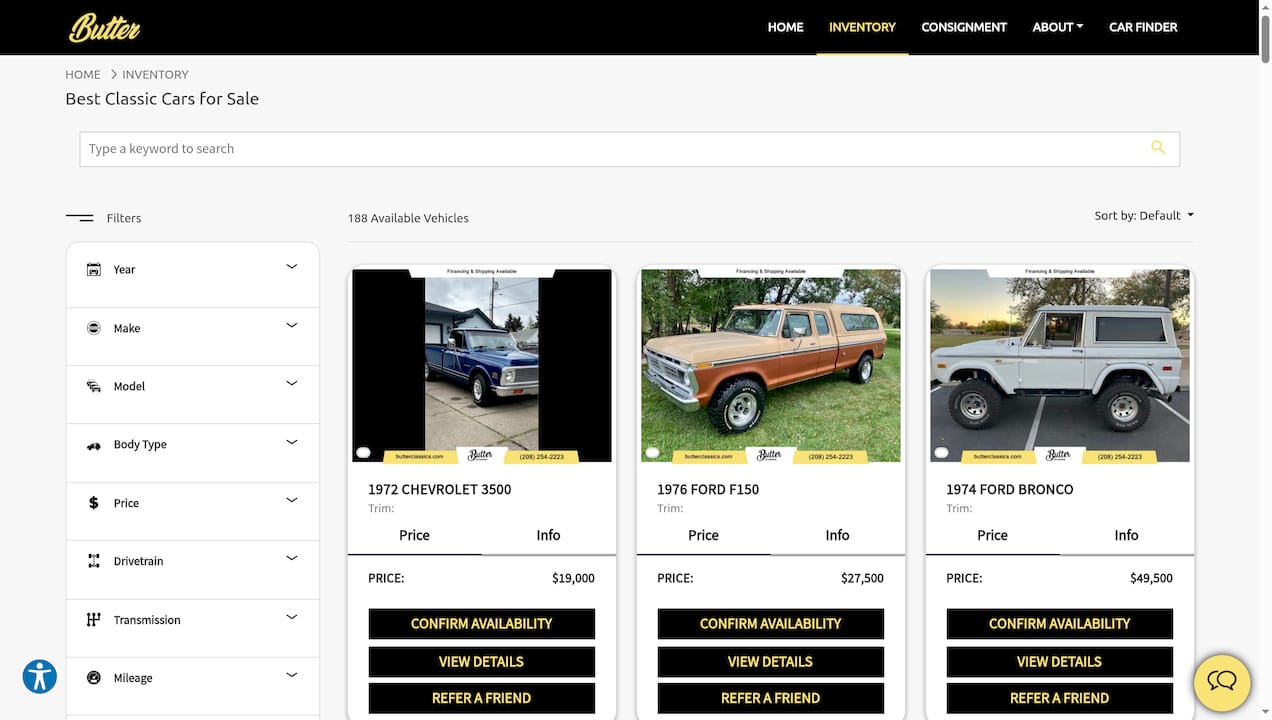
If you're selling, our consignment service handles the listing, documentation, and buyer inquiries so you're not managing the process alone. If you're buying, we provide certified listings with detailed specifications and photos, financing pre-qualification options, test drive scheduling, and access to an inventory that covers a broad geographic area.
Browse our current inventory or start a consignment today and let us handle the documentation that gives buyers confidence.
FAQ
What does it mean when Carfax says exempt from odometer reporting?
It means the vehicle falls under one of the federal exemption categories in 49 CFR § 580.17, such as its age or weight class, so no numeric mileage disclosure was legally required at that transfer. This is a standard notation, not evidence of a problem with the vehicle.
Why is it illegal to reset mileage on a car?
Resetting or altering an odometer to misrepresent a vehicle's true mileage violates federal law, and NHTSA treats both the act and the marketing of mileage-blocking devices as prohibited conduct. Exemption from disclosure requirements never makes tampering legal.
Why should you not buy a car with no title?
A vehicle without a clear title creates serious legal and financial risk, since you can't verify ownership history, confirm the vehicle isn't stolen, or register it in your name without resolving the title issue first. Always request full title documentation before completing a purchase.
Does the IRS require odometer readings for mileage?
Odometer readings relate to vehicle mileage recordkeeping for tax deduction purposes, which is separate from the federal odometer disclosure rules discussed here that govern title transfers under 49 CFR § 580.17. For tax-related mileage questions, check current guidance directly with the IRS.
Sources
- 49 CFR § 580.17 — Exemptions
- Odometer fraud: information and enforcement — NHTSA
- Civil Division | Consumer Protection Branch: Odometer fraud & motor vehicle investigatory resources — DOJ
- PennDOT odometer fact sheet
- Odometers guidelines — AZDOT