Which classic cars are the most undervalued today?
The most undervalued classic cars today are hiding in plain sight, priced well below what their performance, rarity, and design actually deserve. While collectors chase Ferraris and first-gen Porsche 911s, a long list of genuinely special machines sits at prices that would have seemed impossible a decade ago. Here's a quick-scan rundown of the top overlooked classics worth your attention right now:
- 1960–1964 Chevrolet Corvair Club Coupe — Unfairly maligned after Ralph Nader's criticism; early coupes are stylish, rear-engined rarities with a growing cult following
- 1984–1996 Chevrolet Corvette C4 — Dated styling keeps prices low; the ZR-1 variant with its Lotus-designed V8 sits between $10,000 and $20,000
- 1992–2000 Lexus SC300/SC400 — Bulletproof reliability and clean Calty Design Research styling, still flying under the radar
- 1956–1957 Continental Mark II — Hand-built luxury at a fraction of comparable Cadillac Eldorado prices; fewer than 3,000 produced
- Mid-1970s full-size American sedans — Buick Electra, Oldsmobile 98, and similar land yachts are dirt cheap and increasingly appreciated for their scale and comfort
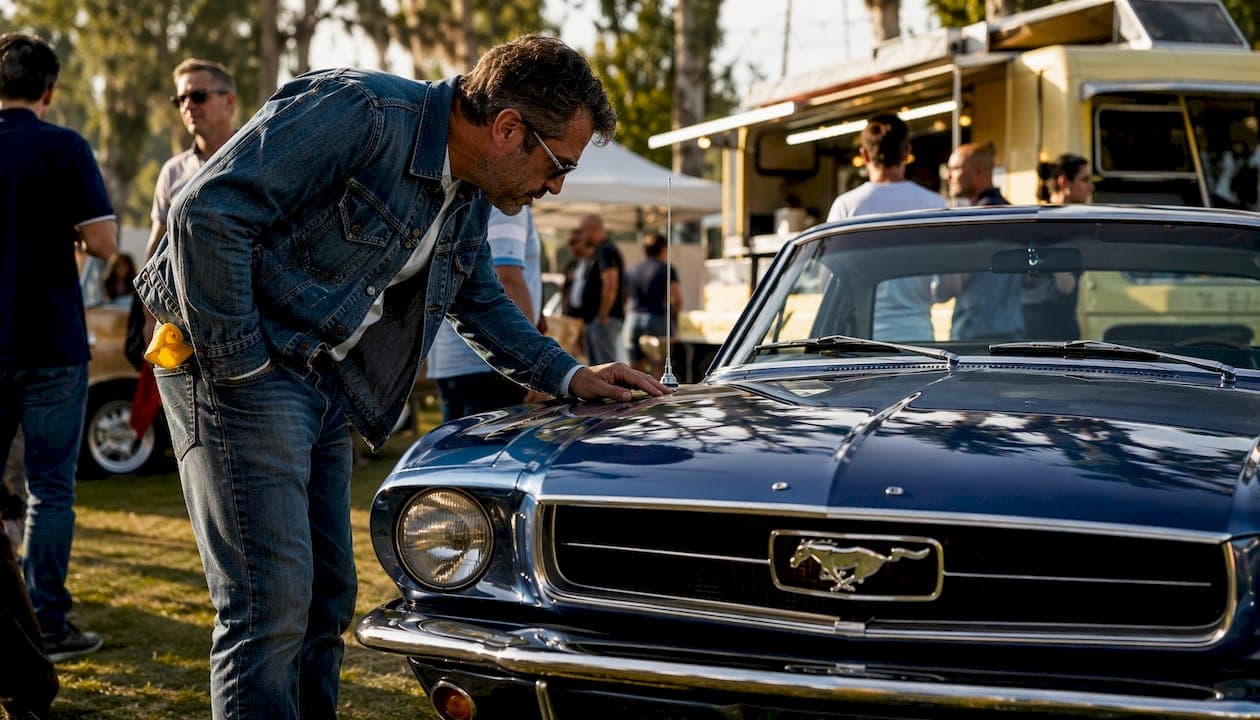
- 1965–1973 Ford Mustang — High production numbers keep prices accessible; fastbacks with the GT Equipment Package are seeing renewed collector interest
- 1991–2002 Dodge Viper — A V10-powered American icon still available under $40,000 if you look carefully
- 1992–1994 Autozam AZ-1 — Gullwing doors, mid-engine layout, and cult JDM status; exports to the U.S. have been climbing fast
- 1971–1989 Mercedes-Benz SL (R107) — Produced for 18 years, so supply exists; unmolested examples are getting harder to find
- 1978–1986 Toyota Supra — Early Supras offer genuine driving pleasure at a fraction of the A80's price
- 1980–1986 Alfa Romeo GTV-6 — Rear transaxle, V6 soundtrack, and Italian flair for well under $20,000
- 1984–1991 Honda CRX — Light, simple, and genuinely fun; clean examples are rare and worth hunting
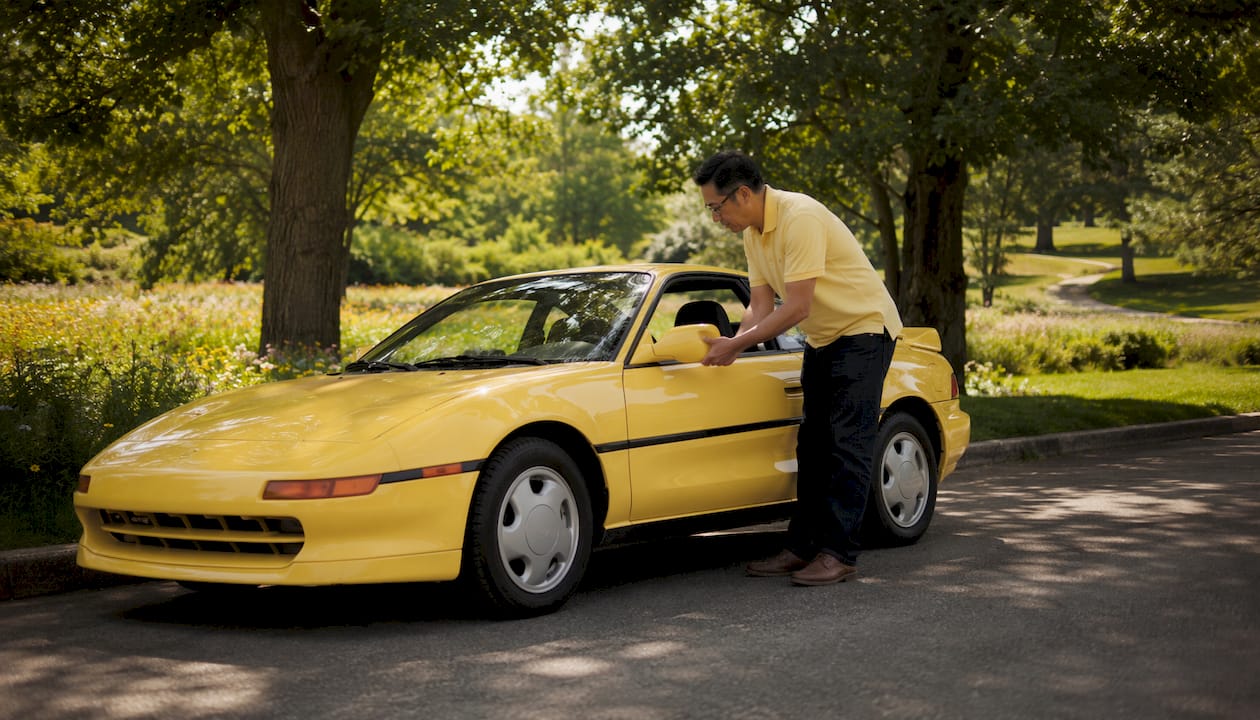
- 1984–1999 Toyota MR2 — First-gen cars around $12,000 represent one of the best mid-engine bargains in the hobby
- 1982–1994 BMW 3-Series (E30) — Non-M versions remain affordable while the M3 has gone stratospheric
- 1981–1988 BMW 5-Series (E28) — More space than the E30, same analog BMW character, and still reasonably priced outside the M535i
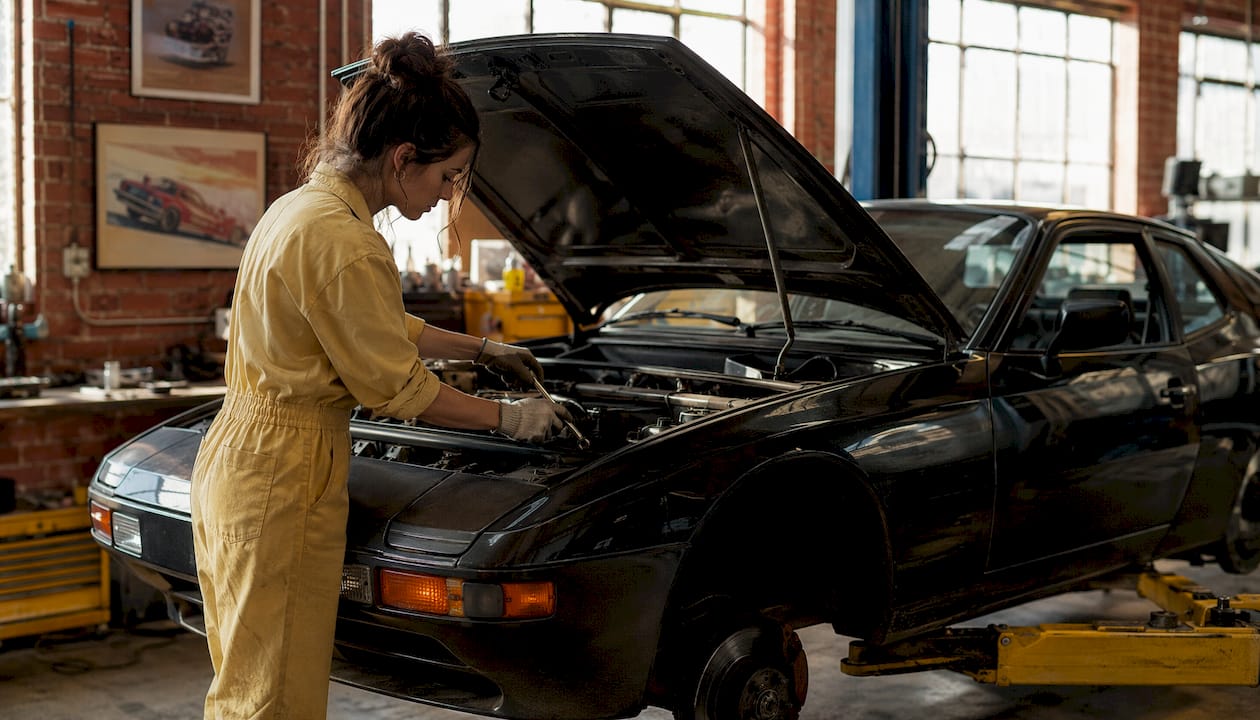
- 1982–1991 Porsche 944 — Often dismissed for not being a 911, but it handles brilliantly and prices range from $15,000 to $40,000
- 1992–1999 BMW M3 (E36) — North American-spec cars were detuned at the factory, which suppressed values; still a rewarding driver
- 1969–1978 Datsun Z — The 240Z commands a premium, but 260Z and 280Z models can dip to around $23,000
- 1963–1967 Ford Falcon Sprint — Lightweight, V8-powered, and scarce; Lauren Fix of Car Coach Reports calls it a cult favorite gaining recognition on its own merits
- 1965–1966 Ford Mustang GT Fastback — GT production across both model years was limited, making it a genuine collector piece, a small fraction of total Mustang output
- 1977–1980 Mercedes-Benz 450SEL 6.9 — Less than 2,000 sold in the U.S., with early ABS and self-leveling suspension that was decades ahead of its time
Detailed profiles of the most overlooked classic car models
American muscle and pony cars
Ford Falcon Sprint (1963–1967). The Falcon Sprint helped inspire the Mustang, yet it trades for a fraction of comparable early pony car prices; for detailed insights, see the Ford Bronco information page. Lightweight construction, a V8 under the hood, and genuine scarcity make it one of the better-kept secrets in American collector cars. Fix describes these as now being appreciated on their own merits rather than treated as Mustang prequels.
Ford Mustang GT Fastback (1965–1966). Terry Shea, Marketplace Editor at Hemmings, specifically highlighted the GT Equipment Package fastback for its rarity and stronger V8 options. With fewer than 45,000 GTs produced across both model years, you're looking at a genuine collector piece that can still be found under $40,000.
1991–2002 Dodge Viper. The first-generation Viper's V10 engine and raw, unfiltered driving experience have never been replicated. Sub-$40,000 examples are getting scarcer, but patient buyers can still find them. For a car with this kind of presence and performance, that price is hard to argue with.
1960–1964 Chevrolet Corvair Club Coupe. The Corvair's reputation was torched by controversy, but the early coupes are genuinely stylish and mechanically interesting. Collector prices remain low relative to other early-1960s American cars, and the rear-engine layout gives it a personality unlike anything else from Detroit.
European sports cars and sedans
Porsche 944 (1982–1991). The 944 is the Porsche that Porsche fans overlook because it doesn't wear the 911 badge. That's your opportunity. It handles with real precision, looks clean, and carries genuine Porsche engineering. At $15,000 to $40,000, it's one of the best-value sports cars in the hobby right now.
Mercedes-Benz 450SEL 6.9 (1977–1980). Shea put it plainly: "Don't be fooled by the three-pointed star hood ornament." This is a muscle car dressed in a luxury sedan's suit. With fewer than 2,000 sold in the U.S. and technology like early ABS and self-leveling suspension, it's a legitimate sleeper that's only now getting the attention it deserved in 1977.
Mercedes-Benz SL R107 (1971–1989). The R107 was built for 18 years, which means supply is there. Prices on clean, unmodified examples have been creeping up, but you can still find solid drivers. The long production run is actually a collector advantage: parts availability is excellent.
Alfa Romeo GTV-6 (1980–1986). The GTV-6 pairs a rear-mounted transaxle with a V6 that sounds better than cars costing three times as much. It's the kind of car that rewards drivers who actually use it. Values remain low enough that buying one still makes sense as both a driver and a long-term hold.
BMW 3-Series E30 (1982–1994) and 5-Series E28 (1981–1988). The M3 and M5 versions of these generations have left the affordable zone entirely. But the 325i, 318i, and E28 non-M variants still offer the same analog BMW driving feel at prices that won't hurt. The E28 in particular is underappreciated for how well it drives.
BMW M3 E36 (1992–1999). North American M3s received a less powerful engine than their European counterparts, which kept enthusiasm and values lower. That's the opening. It's still a well-sorted sports sedan with real driving character, and prices reflect the detuned reputation rather than the actual experience.
Japanese classics
Toyota MR2 (1984–1999). First-generation MR2s around $12,000 represent one of the most accessible mid-engine sports car experiences available. The second-gen SW20 is quicker and arguably cooler, and both generations are now over 30 years old, qualifying them as genuine classics. Parts availability from Toyota's network remains solid.
Datsun Z (1969–1978). The 240Z gets the headlines and the prices to match. The 260Z and 280Z offer nearly identical style and driving character for considerably less. If you want the Z experience without the 240Z premium, the later cars are the logical move.
Toyota Supra (1978–1986). Early Supras are lovely cars that happen to share a name with one of the most expensive Japanese collector cars on the planet. That name association hasn't translated into price inflation for the first two generations, which remain well within reach for most collectors.
Autozam AZ-1 (1992–1994). Gullwing doors on a mid-engine microcar from Mazda's sub-brand. The AZ-1 is genuinely unlike anything else, and younger collectors have noticed. Exports from Japan to the U.S. have been climbing, and prices are moving with that demand. Getting in early still makes sense.
Honda CRX (1984–1991). Clean, unmolested CRXs are rare precisely because so many were modified or driven hard. Finding a stock example takes patience, but the reward is a lightweight, honest sports car that's still a joy to drive. Values remain low enough that the search is worth it.
How to spot and evaluate an undervalued classic car
Identifying a genuinely undervalued classic takes more than finding a low asking price. These are the factors that actually move the needle:
- Rarity and production numbers. Low build counts create scarcity, but you need to verify them. A car described as "rare" by a seller may have had 50,000 units produced. Check marque registries and club records.
- Trim level and engine option. Price variance within a single model line can be enormous. A base Mustang and a GT Fastback with the 289 High Performance engine are completely different propositions. Decoding the VIN and trim tag is non-negotiable before you make an offer.
- Originality and provenance. Collectors increasingly pay a premium for documented, numbers-matching cars. A car with its original drivetrain, factory paint code, and a paper trail commands more than a restored example, sometimes significantly more.
- Condition versus price. A low asking price on a heavily modified or poorly restored car is not a deal. Factor in the cost of returning it to correct specification before you get excited about the sticker.
- Market trends. Certain segments are moving. Lightweight Japanese sports cars, analog-era European sports cars, and unrestored American survivors are all seeing increased collector attention right now.
- Parts and specialist availability. A car with no parts supply or no mechanics who know it is a money pit regardless of its rarity. Check with marque clubs before you buy.
Pro Tip: Decode the VIN and any available trim or fender tags before you inspect the car in person. Knowing exactly what you're looking at, base model versus a high-option variant, changes everything about how you evaluate condition and price. Many of the best deals in the hobby are missed because buyers don't do this homework first.
Balancing nostalgia with financial sense means asking whether you'd be happy owning this car even if values stayed flat. The best classic car investments are ones you'd enjoy driving either way. For a deeper look at what separates a collectible from a depreciating asset, the investment-grade classic car guide at Butterclassics covers the criteria in detail.
What market trends are shaping classic car values right now?
The collector car market has shifted meaningfully over the past few years, and understanding those shifts helps you buy smarter.
The single biggest trend is the premium on authenticity. Unrestored "time capsule" cars with minimal miles have become the holy grail for serious collectors. Austin Scola, Market Specialist at Classic.com, described a zero-modification, six-delivery-mile 1974 'Cuda this way:
That premium on originality filters down to every price tier. A numbers-matching, unrestored Porsche 944 or Datsun 280Z commands more than a freshly painted example with a replacement engine, even when the restored car looks better at first glance.
The second major shift is collector demographics. Younger buyers are driving demand for 1980s and 1990s Japanese sports cars and European sports sedans, the cars they grew up seeing. That generational pull is pushing values on models like the AZ-1, early MR2, and E30 BMW upward from a low base.
Geographically, the U.S. Sun Belt states (Arizona, Texas, Florida, and California) tend to produce the cleanest survivors because of dry climates and year-round use. Rust-free examples from these markets carry a premium nationally, and buying from a rust-belt state introduces restoration costs that can erase any apparent price advantage.
| Model | Approx. current range | Why it's moving |
|---|---|---|
| Chevrolet Corvette C4 ZR-1 | $10,000–$20,000 | Lotus V8, growing analog-era appeal |
| Porsche 944 | $15,000–$40,000 | Porsche DNA at non-911 prices |
| Datsun 260Z/280Z | ~$23,000 | 240Z premium pushing buyers to later cars |
| Autozam AZ-1 | Rising with export demand | Gullwing JDM cult status, younger collectors |
| Ford Falcon Sprint | Cult favorite, values climbing | V8 scarcity, Mustang connection recognized |
For a broader look at what's driving values in 2026, the classic car market trends checklist at Butterclassics breaks down rarity, originality, and condition factors in practical terms.
Risks and pitfalls to know before you invest in a classic car
Classic cars can absolutely appreciate, but the path isn't always smooth. Here's what catches buyers off guard:
Hidden restoration costs. A car priced at $15,000 can easily require $20,000 in mechanical and cosmetic work to reach a sellable condition. Always get a pre-purchase inspection from a marque specialist, not a general mechanic.
Trim-level misrepresentation. Because price variance within a model line is so large, sellers sometimes present base cars as higher-spec variants. A Mustang without the GT package is a fundamentally different investment than one with it. Verify every option through the VIN decode and factory documentation.
Liquidity. Classic cars are not liquid assets. Selling a niche model can take months, and auction fees typically run 10% or more on both sides of a transaction. Budget for holding costs.
Market concentration risk. Values for specific models can stall or drop if a large collection comes to market at once, or if a generation of collectors ages out of buying. Diversifying across marques and eras reduces this exposure.
Ownership costs. Storage, insurance through a specialty carrier like Hagerty or Grundy, and periodic maintenance add up even when a car isn't being driven. Factor these into your total cost of ownership before you commit.
Originality traps. A car that looks original may have hidden modifications or replaced components that reduce its value to serious collectors. Provenance documentation, service records, and marque club history checks are worth the time before any purchase.
Authoritative sources for classic car valuation and research
Doing your homework before buying is the single best thing you can do. These are the resources worth bookmarking:
- Hagerty Valuation Tools — The industry standard for classic car pricing, with condition-graded values and market trend data across thousands of models
- Classic.com — Aggregates auction results and private sales data; useful for tracking real transaction prices rather than asking prices
- Hemmings Motor News — Long-running marketplace and editorial resource with deep model-specific expertise; Terry Shea's market commentary is particularly useful for American and European classics
- Bring a Trailer (BaT) — Online auction platform with transparent bidding history; searching completed auctions gives you actual sale prices, not estimates
- Marque-specific clubs and registries — The Porsche Club of America, Alfa Romeo Owners Club, Z Car Club Association, and similar organizations maintain production records and can verify VINs and trim details
- Butterclassics inventory — Curated listings of investment-grade and collectible classics with detailed specs, high-quality photography, and financing pre-qualification available
- Car Coach Reports (Lauren Fix) — Automotive expert commentary on undervalued models, particularly useful for American classics and emerging collector segments
- Road & Track classic car coverage — Editorial perspective on affordable hidden gems with real-world driving assessments
Butterclassics makes finding your next classic car smooth as butter
You've done the research. You know which models are undervalued and why. The next step is actually finding a clean, well-documented example, and that's where most collectors lose weeks or months chasing dead ends.
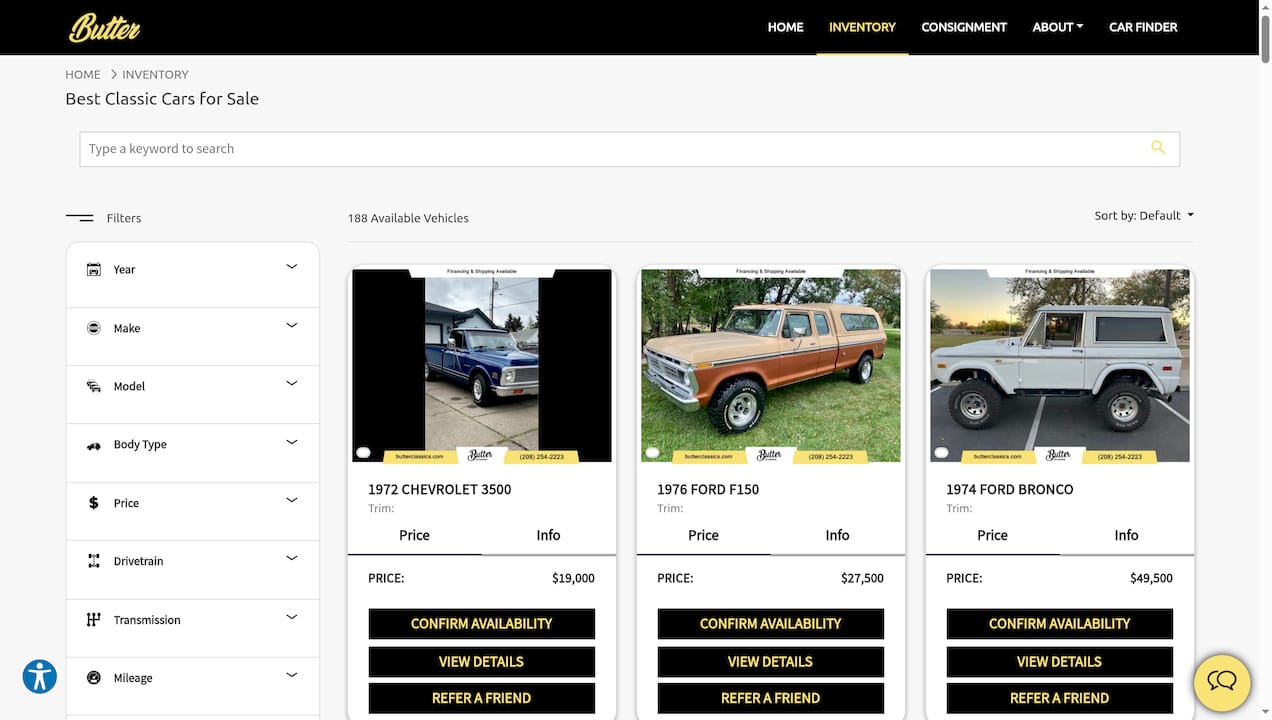
Butterclassics is a specialty marketplace built specifically for collectors who want investment-grade classic vehicles without the guesswork of private-party hunting. The inventory spans muscle cars, Corvettes, Broncos, vintage trucks, and more, all with detailed specs, high-resolution photography, and transparent vehicle information. You can browse by price, get financing pre-qualification without a hard credit pull, or consign a car you're ready to move. No generic dealership experience, just a curated platform built for people who take classic cars seriously. Browse the current classic car inventory at Butterclassics and call dibs on something worth owning.
Key Takeaways
The most undervalued classic cars today combine genuine rarity, strong driving character, and market neglect, offering collectors real value before broader appreciation catches up.
| Point | Details |
|---|---|
| Best entry-level picks | The Corvette C4 ZR-1 ($10,000–$20,000) and Porsche 944 ($15,000–$40,000) offer the most performance per dollar right now. |
| Originality commands a premium | Unrestored, numbers-matching cars consistently outperform restored examples; prices for 'time capsule' classics with minimal miles can range from $150,000 to $500,000. |
| Decode before you buy | VIN and trim-tag decoding separates base models from high-value variants, a step that directly determines whether a price is a deal or a trap. |
| Watch the generational shift | Younger collectors are pushing 1980s–1990s Japanese and European sports cars upward from a low base; the AZ-1 and early MR2 are early in that cycle. |
| Butterclassics | Browse curated, investment-grade classic car listings with financing pre-qualification and consignment services at Butterclassics. |