Short answer: buy an FJ40 only if you accept project-cost tolerance and put frame condition above everything else on your checklist. These trucks reward patient buyers and punish anyone who falls for a clean paint job over a rotten chassis.
Three things decide whether a listing is worth your time. First, frame rust, especially around the rear crossmember and spring hangers, which is the single biggest value killer in the J40 family. Second, a non-original drivetrain with no paperwork to explain the swap. Third, a title or history gap that leaves you guessing where the truck spent the last twenty years.
- Frame shows rust or amateur welding: walk away or renegotiate hard before you spend another minute on the truck.
- Drivetrain doesn't match records and seller can't explain why: ask for documentation; if none exists, budget as if you're buying a mystery engine.
- No title or spotty ownership history: verify the VIN and title status before you send a deposit, not after.
If the truck clears all three, schedule a professional pre-purchase inspection before you get emotionally attached.
Key Takeaways
Buying a Land Cruiser FJ40 successfully comes down to prioritizing frame integrity, matching-numbers documentation, and dry-climate history over cosmetic appeal.
| Point | Details |
|---|---|
| Frame rules everything | Check the rear crossmember and spring hangers before anything else; rust here is the top value killer. |
| Match the drivetrain to paperwork | An undocumented engine swap should lower your offer even if the truck runs well. |
| Pick your price tier deliberately | Know whether you're buying a project, driver, or restored example before you negotiate. |
| Budget beyond the purchase price | Set aside 20 to 30 percent contingency plus ongoing costs for fuel, maintenance, and dry storage. |
| Use a vetted route when possible | Butter Classics offers consignment-vetted listings, test-drive scheduling, and a car-finder service to reduce transaction risk. |
Table of Contents
- What Should Your Land Cruiser FJ40 Buyer Guide Checklist Cover First?
- Which FJ40 Years and Body Styles Should You Prioritize?
- What Mechanical and Body Problems Show Up Most Often?
- How Do You Inspect and Test-Drive an FJ40 Before Buying?
- What Does an FJ40 Cost in Today's Market?
- Where Should You Look to Buy an FJ40?
- Should You Restore an FJ40 or Drive It As-Is?
- What Parts and Upgrades Are Worth Considering?
- What Should You Know About Insuring an FJ40?
- What Does It Cost to Own an FJ40 Beyond the Purchase Price?
- How Butter Classics Helps You Find the Right FJ40
- Frequently Asked Questions
- Sources
What Should Your Land Cruiser FJ40 Buyer Guide Checklist Cover First?
Every FJ40 inspection should follow the same order: structure first, body second, mechanicals third, paperwork last. Skipping ahead to admire the engine bay before checking the frame is how buyers end up owning a truck that's structurally worthless.
- Frame first. Get underneath and look at the rear crossmember, spring hangers, and boxed sections. Previous repairs, heavy welding, or sloppy patchwork usually signal bigger structural problems than the seller is telling you about. Original metal has consistent factory seams; repaired metal often shows mismatched paint texture or weld beads where none should exist.
- Body and floors second. Push a screwdriver gently against rocker panels and inner sills. Soft or crunchy metal means rust has eaten through from the inside. Check floor pans for plate patches covering holes, and look at door bottoms and tailgate corners, both classic rust traps.
- Drivetrain visible checks third. Look at engine mounts for cracking, check for oil or coolant weeping around gaskets, and note whether the carburetor setup looks stock or modified. A seized part or a "just needs a tune" claim deserves skepticism until proven otherwise.
- Undercarriage red flags. Welded patches with fresh undercoating, paint that doesn't match under body seams, and non-factory weld beads all suggest hidden accident or rust repair.
- Paperwork triage. Confirm the VIN on the frame matches the title, and ask for service records. Gaps in ownership history aren't automatically disqualifying, but they mean you inspect harder everywhere else.
- Know when to stop. If steps one through four raise more than one red flag, stop negotiating and book a professional inspection instead of guessing.
Pro Tip: Bring a flashlight, a magnet, and a screwdriver to every viewing. A magnet that won't stick to a fender or rocker panel is telling you there's a layer of body filler between you and the truth.
Which FJ40 Years and Body Styles Should You Prioritize?
The FJ40 name covers a wider family than most first-time buyers realize. Toyota built the J40 series from 1960 to 1984, and the lineup includes the short-wheelbase FJ40, the medium FJ43, and the long-wheelbase FJ45 pickup and troop carrier. Some export markets also received BJ and HJ variants with diesel engines instead of Toyota's gas motors.
Late-1970s to early-1980s trucks tend to draw the most buyer interest today. By that point Toyota had refined the F and 2F gasoline engines, improved brakes, and added creature comforts without losing the mechanical simplicity that makes these trucks easy to work on decades later. Body style matters too: hardtops generally command more than soft-tops because they're more usable and better preserved, while pickup and troop-carrier configurations appeal to a narrower, more dedicated buyer.
Matching numbers matter here the same way choosing a production year with known fixes addressed matters on a modern Land Cruiser: an original F or 2F engine with paperwork to prove it is worth meaningfully more than a truck with an unexplained swap, even if the swap runs fine. J40 production spanned 24 years, and low remaining supply is a major reason clean examples now command real premiums.
What Mechanical and Body Problems Show Up Most Often?
Owner forums like ih8mud surface the same handful of failure patterns again and again, and knowing them before you shop saves you from paying full price for a truck with predictable problems.
- Rust hotspots: rear crossmember, spring hangers, rocker panels, floor pans, and the bolts holding body mounts to the frame, which corrode from the inside out.
- Drivetrain wear: timing components on aging 2F and 4.2-liter engines, leaking rear main seals, and weepy transfer case or axle seals from decades of heat cycling.
- Suspension and steering fatigue: worn kingpins, axles bent from off-road use, and leaf springs that have lost their arch after years of hard driving.
- Electrical gremlins: wiring degraded by heat and age, plus decades of DIY splices and aftermarket accessory wiring that nobody documented.
- Modification red flags: budget engine swaps, wiring hacked together to make a non-stock part function, and weld repairs disguising frame or body damage rather than fixing it properly.
Frame condition remains the number one factor separating a fair-value truck from an expensive mistake, and it's worth checking before you fall in love with anything else about the truck.
How Do You Inspect and Test-Drive an FJ40 Before Buying?
A proper viewing has two phases: what you check standing still, and what you learn from driving it. Skip either one and you're buying blind.
- Before starting the engine, check fluid color and level in the radiator, transmission, and transfer case. Look under the truck for fresh drips, and sniff for burnt oil or gas smells that suggest a recent leak someone tried to mask.
- At cold start, watch for smoke color (blue means burning oil, white past a few seconds means coolant), listen for knocking, and check that engine and transmission mounts aren't visibly rocking.
- During the test drive, pay attention to how it downshifts from second to first at slow speed, how it handles a hill under load, whether the transfer case engages cleanly, and whether the differential locks feel solid. Brake pull and steering wander both point to front-end or brake system issues worth pricing out.
- Call in a professional when you notice frame flex, a transmission that leaks under load, or anything that sounds like it needs a compression test to diagnose properly. MotorTrend's buying guidance makes the same point: a measured, unhurried approach catches problems that excitement papers over.
Some issues are negotiable repairs (tired brakes, worn bushings); others are walk-away triggers (frame flex, a transmission that won't hold gear). Know which is which before you make an offer, and use a written test-drive checklist so nerves don't make you forget a step.
Pro Tip: Drive the truck for at least 20 minutes, not five. Heat-related leaks and electrical faults often don't show themselves until the engine's been running long enough to fully warm up.

What Does an FJ40 Cost in Today's Market?
Pricing splits into three rough tiers, and knowing which one you're shopping in keeps you from overpaying for a "project" or underpaying attention to a "restored" truck that isn't.
- Barn/project tier: no title, heavy rust, or a non-running drivetrain. These trucks are cheapest up front but carry the highest hidden-cost risk, especially if frame rust turns out worse once you're underneath with a wire brush.
- Driver tier: sound frame, usable drivetrain, cosmetic wear that doesn't affect function. This is where most buyers land, and it's the tier where a careful inspection pays off most.
- Restored/concours tier: documented restoration, rust-free frame, and ideally matching numbers. These command the strongest premiums, particularly with dry-climate provenance from places like Arizona or New Mexico, where road salt never touched the sheet metal.
CarGurus data on Land Cruiser pricing shows the same pattern across the broader Land Cruiser lineup: clean, low-mileage, well-documented examples pull strong money while trucks with maintenance gaps list far lower, and the gap between the two only widens as trucks age.
Original paint, factory trim, and a documented dry-climate service history all add meaningful premiums over an otherwise comparable truck. If you're buying a driver or project, set aside a contingency fund worth at least 20 to 30 percent of the purchase price for the surprises that always turn up once you start wrenching.
Where Should You Look to Buy an FJ40?
Your buying channel shapes your risk as much as the truck itself does.
- Private sale: often the best price, but you're on your own for verification, and sellers rarely have compression test results or a PPI ready to hand over.
- Enthusiast forums: communities like ih8mud connect you with sellers who know the model, but due diligence still falls entirely on you.
- Specialist brokers and consignment marketplaces: these vet listings before they go public, which cuts down the guesswork and reduces the odds of a hidden rust bucket wearing fresh paint.
- Auctions: exciting, but bidding pressure makes it easy to overpay, and pre-sale inspection windows are often short.
Shipping and import paperwork can add real cost and delay if the truck you want is out of state or overseas, so factor that into your timeline before you fall for a listing three states away. A vetted marketplace route, the kind Butter Classics provides through consignment vetting, removes a lot of that friction for buyers who'd rather not gamble on an unknown private seller.
Should You Restore an FJ40 or Drive It As-Is?
Restoration scope ranges from a weekend refresh to a multi-year rotisserie project, and matching the scope to your budget and garage access matters more than matching it to your enthusiasm.
- Minor refresh (brakes, seals, cosmetic touch-ups): typically the fastest and cheapest path, often completed in weeks rather than months, and the right call for a solid driver-tier truck.
- Medium frame or body work (patch panels, partial frame repair, mechanical rebuild): a multi-month project that requires either real DIY skill or a trusted independent shop that knows these trucks.
- Full rotisserie restoration: the most expensive and time-consuming route, often stretching well over a year, and worth it primarily for rare variants or trucks with exceptional collector value.
Weigh rarity, originality, and your own mechanical skill before committing. A restoration-grade truck with matching numbers deserves the full-restoration approach; a common driver-tier example usually doesn't need it. When budget or time is tight, a staged approach, mechanicals now and body later, is often the smarter call than draining your funds on one giant project.
What Parts and Upgrades Are Worth Considering?
The FJ40's mechanical simplicity is a real advantage here. Brake components, seals, suspension bushings, and basic engine tune parts are widely available through specialist vendors who cater specifically to this platform, which keeps routine maintenance manageable even decades after production ended.
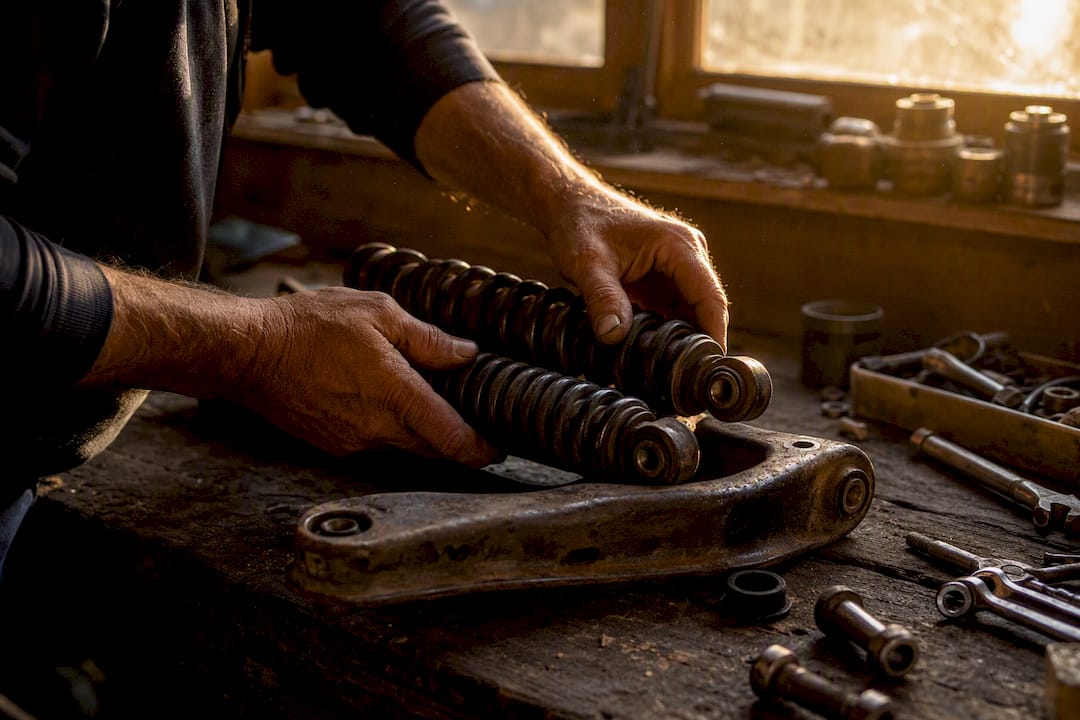
Popular upgrades that buyers accept, and even reward, include period-correct replacement trim, disc-brake conversions for better stopping power, and clean wiring harness replacements that fix the electrical gremlins common on 40-year-old trucks. Suspension rebuilds using quality components also tend to add usability without hurting resale value, as long as the work looks professional rather than improvised.
Pro Tip: Stick with vendors who specialize in FJ40 parts rather than generic off-road suppliers. Cheap, ill-fitting reproduction parts are a common source of buyer regret, and a poor-fitting part often costs more to remove and redo than it would have cost to buy correctly the first time.
What Should You Know About Insuring an FJ40?
Insuring an FJ40 works differently than insuring a daily-driver SUV, and it's worth sorting out before you finalize a purchase rather than after.
Most owners insure these trucks through classic or collector car policies rather than standard auto insurance. Collector policies typically require an agreed value, meaning you and the insurer settle on the truck's worth up front based on documentation, photos, and sometimes an appraisal. That agreed value protects you from being paid out at a depreciated "market value" figure if the truck is totaled, which matters a lot for a well-documented, dry-climate example that's worth meaningfully more than an average listing.
Collector policies usually come with mileage limits and storage requirements, since insurers price these policies assuming the truck isn't your daily commuter. If you plan to drive your FJ40 regularly rather than showing it a few weekends a year, confirm your intended usage fits the policy before you buy it, since some insurers will decline or reprice coverage for daily use.
Modifications matter too. A period-correct restoration is usually straightforward to insure. A truck with a non-original engine swap or major drivetrain changes may need a specialty policy or additional documentation to establish value, so ask your insurer about any modifications before you sign anything.
What Does It Cost to Own an FJ40 Beyond the Purchase Price?
The purchase price is just the entry fee. Ongoing costs are where FJ40 ownership either stays fun or turns into a financial headache.
Maintenance frequency runs higher than a modern vehicle simply because the truck is decades old and built with mechanical, not electronic, systems. Regular oil changes, periodic seal and gasket replacement, and suspension bushing wear are normal parts of ownership rather than warning signs, and a truck that's been neglected for years will need more attention up front to catch up.
Fuel economy is modest by any modern standard. The F and 2F gasoline engines were never designed for efficiency, and most owners plan around single-digit-to-low-teens miles per gallon depending on how the truck is driven and geared. That's worth factoring into your ownership budget if you plan to drive it often rather than occasionally.
Storage matters more with an FJ40 than with a modern truck, since moisture and sun exposure accelerate the same rust and interior wear that hurt resale value. A covered, dry storage spot protects your investment far better than a driveway, especially if you live somewhere with real winters or coastal humidity. None of these costs are prohibitive individually, but stacked together they explain why experienced buyers budget beyond the sale price rather than treating the purchase as the finish line.
A Marketplace View on Buying an FJ40
The same condition patterns show up again and again: clean frame and documented history sell fast, and rust hides behind fresh paint more often than buyers expect. A vetted marketplace can't change the truck's condition, but it can help you find one worth trusting.
How Butter Classics Helps You Find the Right FJ40
Butter Classics is the alternative to blind private-party shopping for FJ40 buyers, no guessing whether a seller's description matches reality, because listings come with detailed condition notes and high-resolution photos instead of a few blurry snapshots and a hopeful paragraph.
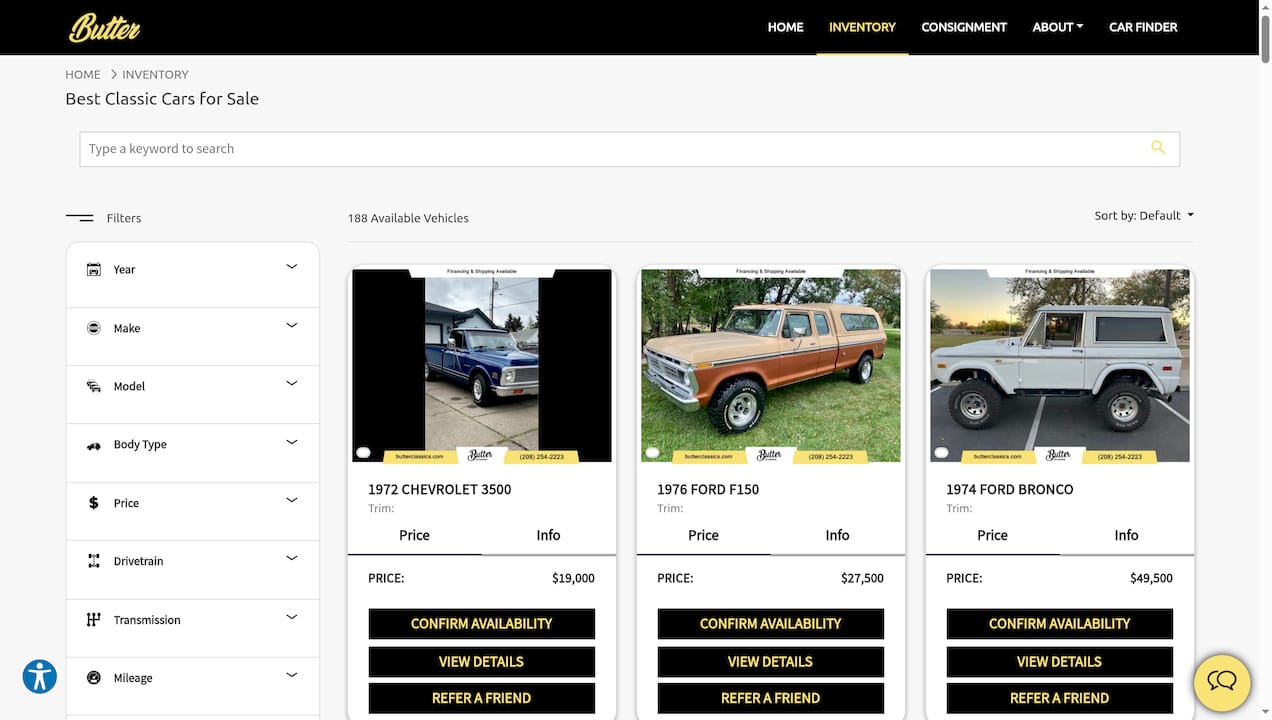
You get consignment vetting on every vehicle in inventory, which means someone has already looked at the frame and drivetrain before the listing goes live, cutting down the surprises that plague private sales. If you want to see the truck in person, you can schedule a test drive directly, and if the FJ40 you want isn't currently listed, the car-finder service will search on your behalf instead of leaving you refreshing listings every night. Financing pre-qualification is available too, so you know your budget before you fall for a truck outside it.
Start by browsing the current inventory to see what's available right now, or reach out through the car-finder if you have a specific year or body style in mind.
Frequently Asked Questions
Is the FJ40 a good investment in 2026? Clean, rust-free examples with documented history have held value well and often appreciate, particularly trucks from dry climates. Project-tier trucks are a riskier bet unless you have the skill and time to do the restoration yourself.
How much does a full FJ40 restoration typically cost? Costs vary enormously based on starting condition, but a full rotisserie restoration on a rough truck routinely runs into a substantial sum and can take a long time. A minor mechanical and cosmetic refresh on a solid driver-tier truck costs far less and can often be done in weeks.
What's the most common reason FJ40 deals fall through? Frame rust discovered during a professional inspection is the leading deal-breaker, followed closely by title or history gaps the seller can't explain.
Do I need a specialist mechanic to inspect an FJ40? A general inspection at a viewing catches obvious problems, but a professional pre-purchase inspection focused on frame straightness and drivetrain condition is worth the cost before you commit real money.
Where is the best place to find a well-documented FJ40 for sale? Vetted consignment marketplaces reduce the risk of buying a misrepresented truck compared to unfiltered private-party listings, since the vehicle typically gets reviewed before it's listed publicly.
Sources
A few sources are worth bookmarking as you shop, each covering ground this guide only touches briefly.
- Pre-Purchase Inspection: What to Look for on an FJ40 - Over the Mountain Cruisers
- Used Toyota Land Cruiser J250 (2024-2026): Buyer's Guide | CarScout