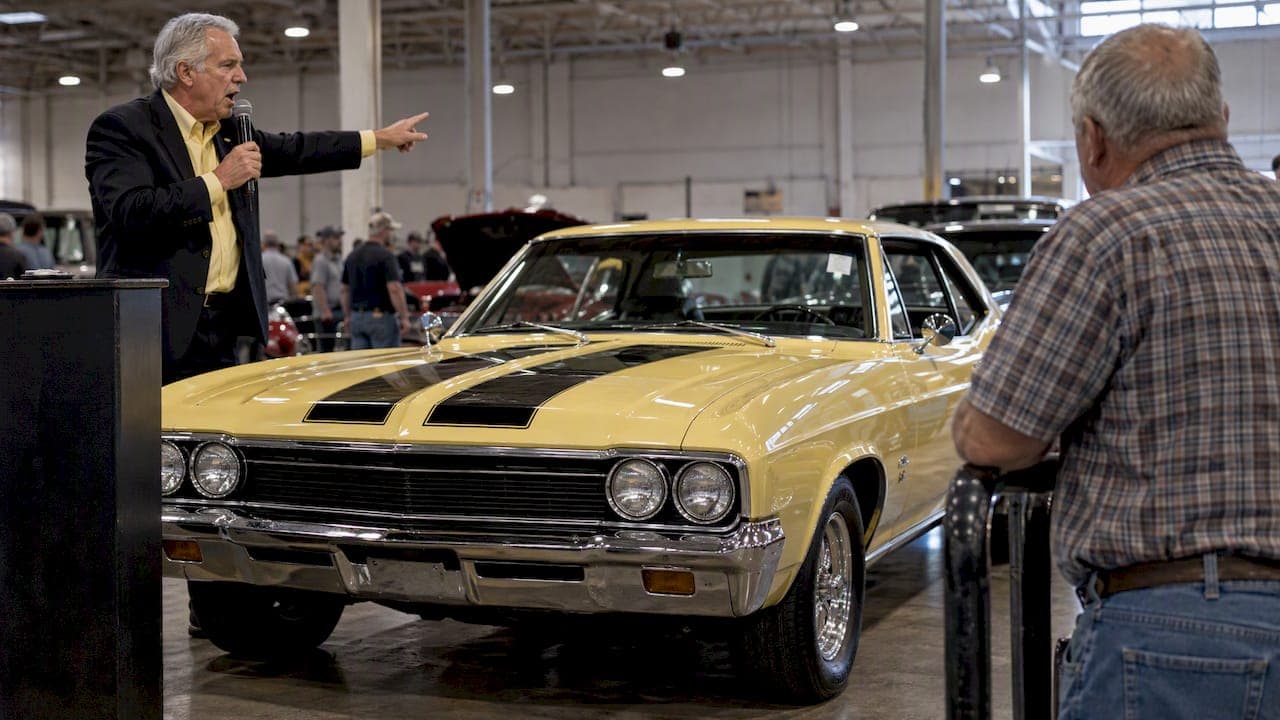
If your goal is the highest possible net price and you can wait a few months, consignment usually wins. If you need a fast, certain sale date and your item has broad collector appeal, auction usually wins. The right pick comes down to fees, timing, and how much control you want over the final price, and the checklist below walks through exactly how to weigh those factors for your vehicle.
TL;DR:
- Auction suits broadly recognized collector vehicles because English bidding exposes competing offers, but a missed reserve leaves the car unsold and listing fees may apply.
- Consignment suits niche vehicles needing targeted marketing; sellers can set a minimum price but may wait weeks or months and owe storage or return shipping.
- Some auction agreements pay by wire about 15 business days after closing, so sellers should confirm the exact settlement deadline and transport liability in writing.
- Maintenance records, ownership history, and restoration receipts support buyer confidence; missing records can slow a sale and lower its price regardless of the method.
- Sellers should get the full fee schedule, reserve change policy, insurance terms, title custody, and unsold vehicle options in writing before handing over the car.
Table of Contents
- Pros and cons of consignment versus auction
- How fees, commissions, and payment timing affect what you take home
- What the selling process looks like from start to finish
- How to choose between consignment and auction for your vehicle
- Common auction formats collectors should know
- Butter Classics and Tony on applying this to classic vehicles
- Legal and contractual considerations in consignment and auction agreements
- Risk and liability implications for seller and buyer in each method
- Market value determination and pricing strategies under consignment vs auction
- Examples of typical items or industries best suited for each method
- Our take: stop treating this as an either-or decision
- How Butter Classics makes consigning your classic car easier
- FAQ
- Sources
Pros and cons of consignment versus auction
Both methods can net you a strong price, but they get there differently. Consignment leans on patience and presentation. Auction leans on competition and a hard deadline.
Consignment pros:
- You get a curated sales process with professional photography and targeted marketing to the right buyers.
- You can set a price floor, so your vehicle never sells below what you're willing to accept.
- Your item gets a personalized sales pitch instead of competing anonymously in a lot of dozens.
Consignment cons:
- Sales typically take longer than an auction date, sometimes weeks or months depending on demand.
- You may owe storage, insurance, or return shipping if the vehicle doesn't sell.
- Commission structures can include overage splits that are easy to misread if you don't ask upfront.
Auction pros:
- You get a firm sale date and a fast transaction once the gavel falls.
- Open bidding creates real price discovery, and desirable vehicles can see competitive bidding push the final price past expectations, which is a core reason auctions appeal to sellers who want a binding outcome without back-and-forth negotiation.
Auction cons:
- The outcome isn't guaranteed. A reserve that isn't met means no sale and a trip back home for your car.
- Seller fees stack up fast, and title or transfer costs can add to what you'd planned on netting.
Neither method is universally better. The trade-off is control and timeline against speed and competitive upside.
How fees, commissions, and payment timing affect what you take home
Fees are where plans fall apart if you don't ask the right questions early. Both consignment and auction houses take a cut, but the structure and timing differ enough to change your math.
Typical consignment fee components:
- A commission percentage, often negotiable based on vehicle value.
- Marketing or listing fees for photography, write-ups, and promotion.
- Insurance and storage costs while the vehicle sits with the consignee.
- Shipping fees if the vehicle needs to be returned unsold.
Consignment agreements commonly set a minimum net the consignor wants to walk away with, alongside a defined consignment period and clear terms for who pays handling or exhibition costs if the sale falls through.
Typical auction fee components:
- A seller commission, frequently tiered by sale price.
- A separate buyer's premium, which the buyer pays on top of the hammer price and does not reduce your proceeds directly, though it can affect how high bidders are willing to go.
- Listing fees and title or transfer fees added at settlement.
Statistic: Some auction service agreements show seller settlement by wire about 15 business days after the sale closes, a useful benchmark when you're planning cash flow around a sale.
You'd net roughly $36,000 before any listing or title fees, paid out around two weeks later rather than at the moment the gavel falls.
What the selling process looks like from start to finish
The mechanics differ enough that knowing the steps ahead of time saves you from surprises.
Consignment flow:
- Intake and appraisal, where the consignee evaluates your vehicle and agrees on a target price.
- Listing and marketing, including photography and promotion to the consignee's buyer network.
- Showing and negotiation as interested buyers come forward.
- Sale or return, depending on whether a buyer meets your floor within the agreed period.
- Settlement, where you receive payment after the deal closes.
Auction flow:
- Appraisal and lotting, where your vehicle is assigned a lot number and estimate.
- Preview period, when bidders inspect the vehicle in person or online.
- Sale day, where bidding happens live or online within a set window.
- Settlement and pickup, where the buyer arranges payment and transport.
Ask any provider about their consignment period length and what happens if your item doesn't sell. Many agreements allow a return, a relist at a lower reserve, or a negotiated price adjustment, and those triggers should be spelled out before you sign anything.
How to choose between consignment and auction for your vehicle
The decision usually comes down to five factors: how rare or in-demand your vehicle is, how fast you need the cash, your minimum acceptable net, the strength of your documentation and provenance, and how much uncertainty you can tolerate.
Questions worth asking any consignee or auction house:
- What's your actual marketing reach, and can you show recent comparable sales?
- Is there a reserve policy, and who sets it?
- Can I see the full fee schedule in writing, including buyer premium and any hidden add-ons?
- Who covers insurance and storage while my vehicle is in your care?
- What's the exact settlement timing once a sale closes?
Red flags to watch for in agreements: vague commission language, no defined consignment period, and clauses that let the consignee rescind a completed sale without clear cause. Our guide to consignment agreement terms breaks down the clauses worth negotiating before you sign.
Pro Tip: If your vehicle is rare enough to draw multiple serious bidders, lean toward auction. If it's a niche fit that needs the right buyer to find it, lean toward consignment.
As a rule of thumb: choose consignment when you want control over the floor price and can wait. Choose auction when speed and competitive bidding matter more than certainty over the final number. For a deeper look at how these options stack up against selling to a dealer outright, see our breakdown on auction versus dealer options.
Common auction formats collectors should know
Not all auctions work the same way, and the format shapes how price discovery happens. The academic literature on auction mechanisms identifies four common formats: English auctions, where bidding rises openly until no one tops the last bid; Dutch auctions, where the price starts high and drops until someone accepts; first-price sealed-bid auctions, where bidders submit one hidden bid and the highest wins at their own price; and second-price, or Vickrey, sealed-bid auctions, where the highest bidder wins but pays the second-highest bid.

Classic car auctions almost always use the English format because open bidding tends to surface the true ceiling of what a motivated buyer will pay, especially for vehicles with broad collector appeal where bidders are responding to each other's offers in real time.
Butter Classics and Tony on applying this to classic vehicles
We built Butter Classics around a simple idea: classic car sellers deserve the same curated presentation a rare painting or vintage watch gets, not a generic used-car listing. When we talk about consignment for vehicles specifically, that means professional photography from multiple angles, full specifications, and documentation that proves what you're selling is what you say it is.
Maintenance records, ownership history, and restoration receipts matter more in classic cars than almost any other collectible category, since buyers are often paying a premium for originality or documented provenance. A vehicle with gaps in its history tends to sell slower and for less, regardless of whether you go consignment or auction. We've covered this in detail in our consignment best practices guide, which walks through exactly what to gather before you list.
Legal and contractual considerations in consignment and auction agreements
Every consignment or auction agreement is a contract, and the details matter more than most sellers realize until something goes wrong. A sample consignment agreement typically spells out marketing obligations, payment timing, and conditions under which the consignee can rescind a sale, language worth reading closely before you sign.
Look for clear terms on who holds title while the vehicle is in the consignee's or auction house's possession, since this affects your liability if something happens to the car before it sells. Confirm whether the agreement names a specific consignment period or auction date, what commission rate applies and whether it's tiered, and what happens if the vehicle doesn't sell within that window.
Auction agreements should spell out reserve policies in writing. A verbal promise about a minimum price means nothing if the contract doesn't back it up. Ask whether the house can lower your reserve without consent, and whether buyer's premium and seller commission are calculated independently or interact in a way that affects your net.
Both consignment and auction contracts should state settlement timing explicitly. Vague language like "prompt payment" isn't a timeline. Look for a specific number of business days after the sale closes, and get it in writing before your vehicle changes hands.
Risk and liability implications for seller and buyer in each method
Consignment generally puts more of the waiting risk on you as the seller. Your vehicle sits with the consignee for weeks or months, during which you're typically relying on their insurance coverage to protect against damage, theft, or weather exposure. Confirm in writing that the consignee carries adequate coverage and that you're named as a loss payee if something happens.

Auction risk looks different. You're exposed less to time and more to outcome uncertainty. If your reserve isn't met, your vehicle doesn't sell and you're back to square one, sometimes after paying a listing fee regardless of the result. Transport to and from the auction site also introduces risk, and it's worth clarifying who covers damage in transit.
Buyers carry their own risk in both channels. In consignment, buyers often get more time to inspect and ask questions before committing, which can reduce disputes after the sale. In auction, buyers are frequently purchasing as-is with limited recourse, so detailed documentation and transparent condition reporting protect you as the seller from post-sale disputes just as much as they protect the buyer.
Whichever method you choose, get clarity on who's liable for undisclosed defects discovered after the sale. Agreements that are silent on this point tend to create the most disputes.
Market value determination and pricing strategies under consignment vs auction
Consignment pricing starts with an estimate, usually based on recent comparable sales, condition, and documentation, but you retain the ability to set a floor and wait for a buyer who meets it. This works well for vehicles with a narrower but devoted buyer pool, where the right single buyer at the right moment matters more than broad exposure.
Auction pricing works in reverse. Instead of setting a price and waiting, you let bidders establish the price in real time through competition. For vehicles with common-value characteristics, meaning most informed bidders would roughly agree on what the car is worth, open ascending formats like English auctions tend to reveal that value efficiently and can push the final price higher than a fixed asking price would have captured.
The practical takeaway: if your vehicle has broad, well-understood value among collectors, auction's competitive pressure can work in your favor. If your vehicle is a more unique or niche fit, where valuations vary widely from buyer to buyer, consignment with targeted marketing gives you a better shot at finding the one buyer willing to pay a premium.
Either way, pricing strategy depends heavily on documentation. A detailed service history and verified provenance give both auction bidders and consignment buyers more confidence, which tends to support a stronger final number.
Examples of typical items or industries best suited for each method
Consignment tends to fit items with a narrower, specialized buyer base where presentation and patience pay off. Fine art, rare watches, and niche collector vehicles with unusual options or low production numbers often do better here, since the right buyer might take time to find.
Auction tends to fit items with broad collector recognition and competitive demand. Muscle cars, well-known classic trucks, and vehicles from marquee model years often draw multiple bidders who already know what they're looking at and are prepared to compete for it.
Within classic vehicles specifically, a numbers-matching muscle car with documented history might do best at auction, where competitive bidders push the price upward. A more obscure or highly modified build, where only a small pool of enthusiasts would appreciate the specifics, often benefits from consignment's targeted approach and the ability to tell the vehicle's story to the right audience.
Our take: stop treating this as an either-or decision
The conventional advice treats consignment and auction like a coin flip: pick one and hope. That framing misses the real lesson, which is that settlement timing and contract clarity matter more than the method itself. We've seen sellers fixate on commission percentage while ignoring a vague consignment period or a reserve clause that can be changed without their consent, and that's backward.
The biggest mistake we see is sellers assuming auction means "fast and done" without checking actual settlement timing, or assuming consignment means "patient and safe" without confirming who pays for storage if nothing sells after 90 days. Read the fee schedule and the settlement clause before you read anything else.
If we had to prioritize one thing for a seller to get right, it's this: get the full fee structure and payment timeline in writing before you commit to either path. The method matters less than whether the agreement protects your timeline and your number.
— Tony
How Butter Classics makes consigning your classic car easier
We handle the parts of consignment that usually slow sellers down, including professional photography, detailed listings, and exposure to a broad audience of collectors. If you want a managed process without chasing your own marketing or negotiating buyer calls yourself, this is where we fit.
- Curated listings with full specifications and photography built for serious collector buyers.
- Exposure to a broad audience instead of a single regional one.
- Financing pre-qualification to help qualified buyers move faster once they're interested.
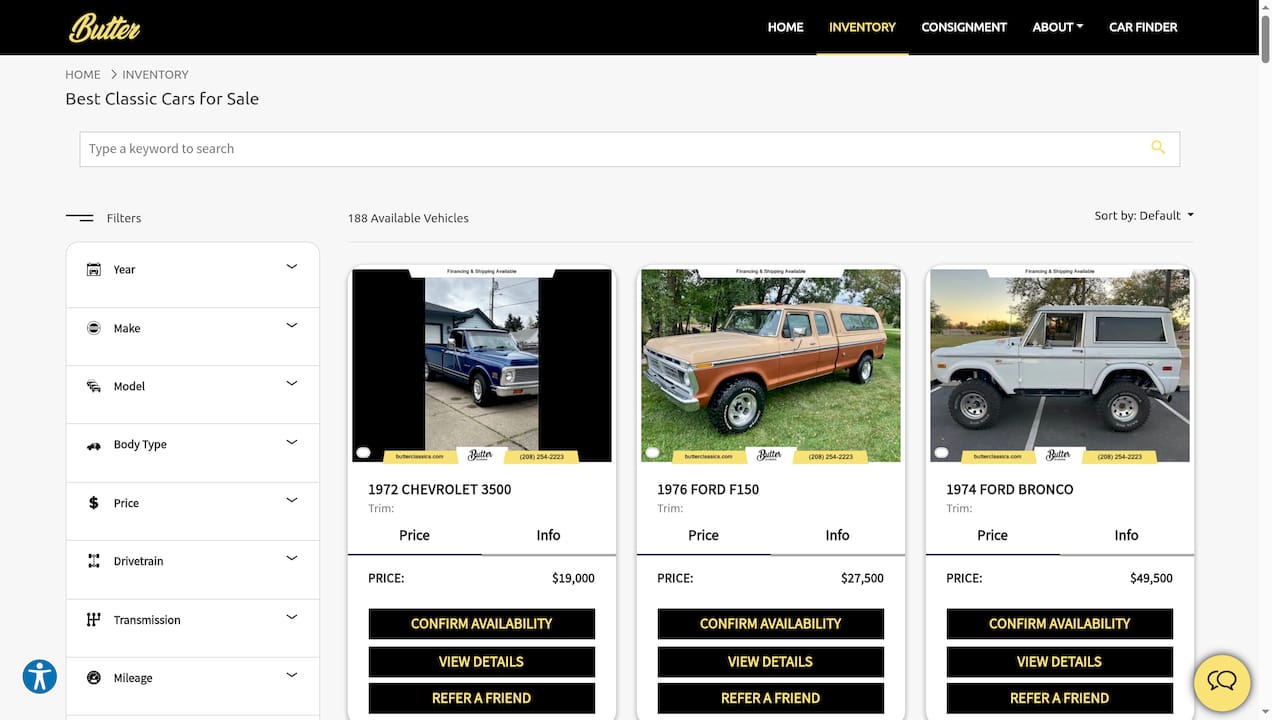
If your vehicle has solid documentation and you'd rather hand off the legwork, consign your vehicle with us and let our team manage the listing from intake to sale. Want to see what similar vehicles are currently listed at? Browse our current inventory for a sense of where your car might land.
FAQ
Is it better to consign or sell outright?
Consigning typically nets you more money since it allows for a curated sale and a price floor, but it takes longer than an outright sale. If speed matters more than maximizing price, a direct sale or trade-in may suit you better, which our partner's guide on selling versus trading in breaks down in more detail.
What are the disadvantages of selling on consignment?
The biggest drawbacks are time and cost. Your vehicle may sit for weeks or months, and you could owe storage, insurance, or return shipping if it doesn't sell within the agreed period.
What are the three types of auctions?
Common auction formats include English (ascending-bid), Dutch (descending-bid), and sealed-bid formats, which split further into first-price and second-price, or Vickrey, auctions. Classic car auctions almost always use the English format because open bidding tends to reveal true market value.
What happens to unsold items at consignment?
Most consignment agreements define a specific consignment period, after which an unsold item is typically returned to the owner, relisted at an adjusted price, or negotiated down to a new floor. The exact outcome depends entirely on what your signed agreement specifies, so confirm this clause before you commit.
Sources
- Auction protocols (chapter)
- The basics and benefits of auctions (NAR)
- Representative consignment agreement excerpts (SEC filing)