
A classic car warranty offering is a Vehicle Service Contract (VSC) that covers mechanical and electrical repair costs on vintage and collector vehicles, filling the gap that standard insurance leaves wide open. Unlike a manufacturer's warranty or a basic auto policy, a VSC is a third-party service agreement you can purchase at any time, regardless of the vehicle's age or current warranty status. For collectors who have invested serious money in a muscle car, Corvette, or vintage Bronco, that distinction matters. Repair bills on classic vehicles can reach tens of thousands of dollars, and no standard insurance policy will save you from that hit.
What is a classic car warranty offering?
A classic car warranty offering is defined as a specialized VSC that protects vintage vehicle owners from costly mechanical and electrical breakdowns not covered by standard insurance. The term "warranty" is used loosely in the collector car world. The correct industry term is Vehicle Service Contract, because it is a third-party contract, not a manufacturer guarantee. That distinction shapes everything from how you buy it to how claims get processed.
Classic car VSCs exist because vintage vehicles face a different set of risks than modern cars. Electrical systems age, cooling components corrode, and original transmissions wear in ways that no accident policy addresses. The U.S. Bureau of Labor Statistics reports a 39% increase in maintenance and repair costs from march 2020 to march 2025. That trend makes mechanical protection more financially urgent for collectors every year.
Many collectors assume warranties are only for new cars. That assumption is wrong. Classics 10–20 years old increasingly face costly electrical and cooling system failures where a VSC provides real financial protection. If you own a collector car, a VSC is not a luxury add-on. It is a core part of protecting your investment.
What does a classic car warranty typically cover?
Classic car VSCs cover the mechanical and electrical systems most likely to fail on a vintage vehicle. Standard coverage includes engine internals such as pistons and camshafts, transmission components, drivetrain parts, electrical modules, and cooling and fuel systems. Classic car insurance covers accidents and theft but does not touch mechanical wear or electrical failure. A VSC fills exactly that gap.
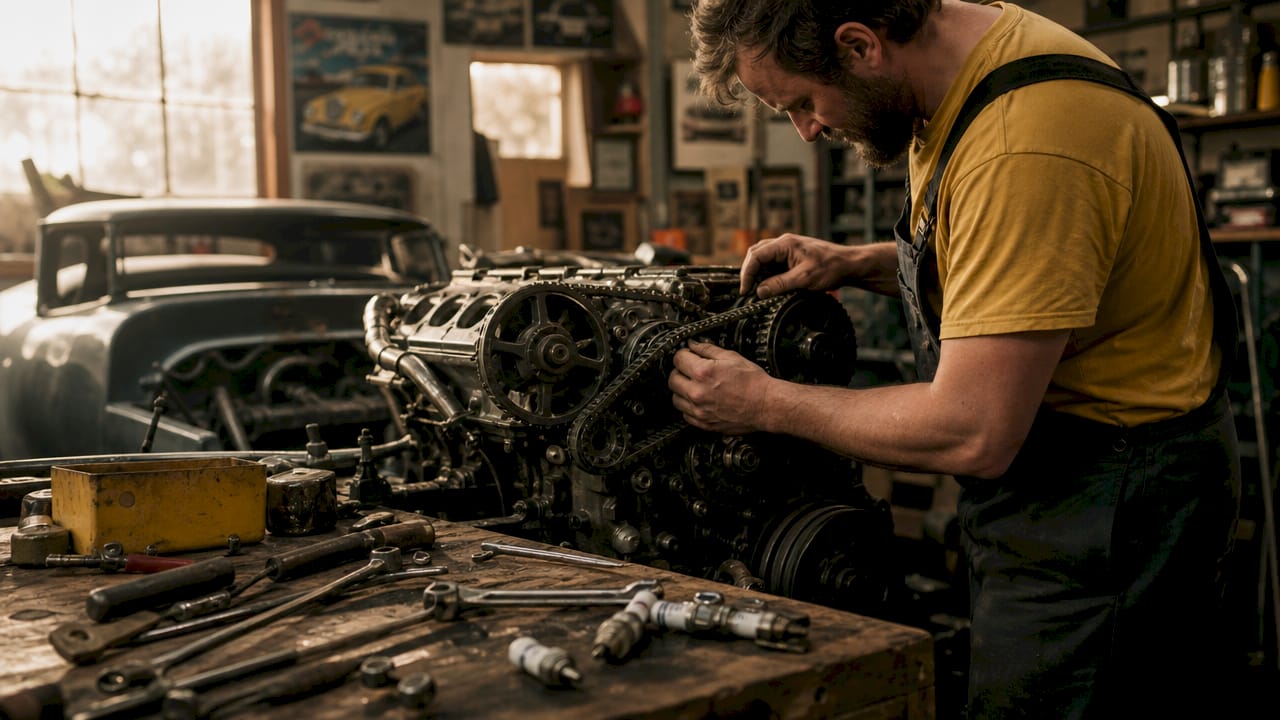
Electrical system coverage deserves special attention. Older vehicles run wiring and control modules that are decades past their design life. When those components fail, sourcing replacement parts is difficult and labor costs are high. A VSC that explicitly covers electrical modules protects you from one of the most unpredictable repair categories in the collector car world.
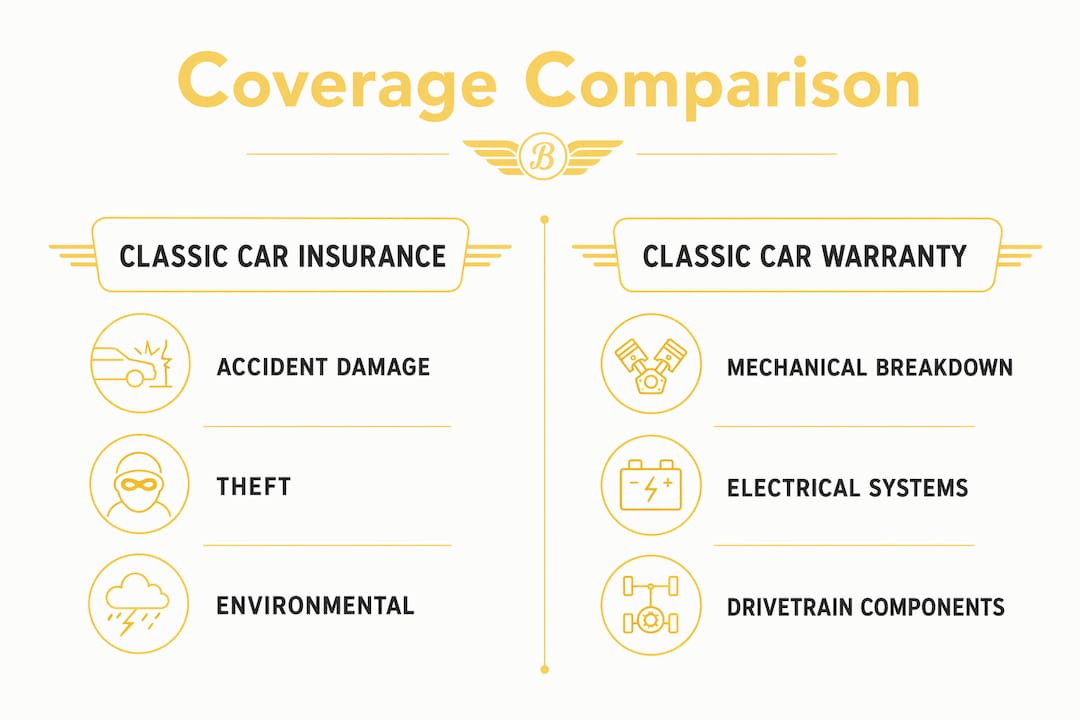
The table below shows how classic car insurance and a VSC divide the protection workload.
| Coverage Area | Classic Car Insurance | Classic Car VSC |
|---|---|---|
| Accident damage | Yes | No |
| Theft | Yes | No |
| Environmental damage | Yes | No |
| Engine mechanical failure | No | Yes |
| Transmission breakdown | No | Yes |
| Electrical module failure | No | Yes |
| Cooling system failure | No | Yes |
| Fuel system failure | No | Yes |
Pro Tip: Read the exclusions list before you sign any VSC. Knowing exactly what is not covered prevents expensive surprises when you file a claim.
How much does a classic car warranty cost?
Comprehensive VSC coverage for collector and exotic vehicles typically costs $2,000–$3,000 per year, with basic powertrain plans running around $1,000 annually. That range reflects the higher repair complexity and parts costs unique to vintage vehicles. A powertrain-only plan protects your engine and transmission. A comprehensive plan adds electrical, cooling, fuel, and drivetrain systems.
Several factors push your rate up or down:
- Vehicle make and model. Rare or exotic vehicles cost more to cover because parts are harder to source.
- Age and condition. Older vehicles in poor condition carry higher repair risk, which raises premiums.
- Rarity. A one-of-a-kind restoration commands specialized labor that generic plans rarely price in.
- Mileage. Some providers factor odometer readings into pricing, though classic car VSCs weigh condition more heavily than mileage.
- Coverage level. Comprehensive plans cost more than powertrain-only plans, but they protect a wider range of systems.
The 39% rise in repair costs tracked by the U.S. Bureau of Labor Statistics from march 2020 to march 2025 means that deferring a VSC purchase gets more expensive every year. Locking in a plan now protects you from future cost inflation on parts and labor.
Payment options vary by provider. Many offer prepaid annual or multi-year plans at a discount. Others allow monthly installments with a low down payment, which makes coverage accessible without a large upfront cost.
Pro Tip: Compare a powertrain-only plan against a comprehensive plan by listing the systems on your specific vehicle most likely to need repair. That exercise often reveals that the price difference is worth it.
What flexibility and customization options exist in classic car warranty offerings?
Classic car VSC providers offer more flexibility than most collectors expect. Contract terms range from month-to-month up to 72-month prepaid plans, with deductible options spanning $0 to $500. Some providers also allow you to split monthly payments with a low down payment, so you are not forced into a large lump sum.
The most valuable flexibility for a classic car owner is the freedom to choose your own repair facility. Experts emphasize that classic car owners need access to certified repair shops with real expertise in vintage vehicles, not a limited network of generic mechanics. Sourcing correct parts for a 1969 Camaro or a first-generation Ford Bronco requires specialized knowledge that most chain shops simply do not have.
Key customization features to look for in a classic car VSC:
- Flexible term length. Month-to-month plans suit short-term ownership. Multi-year prepaid plans lock in lower rates.
- Adjustable deductibles. A $0 deductible costs more per month but eliminates out-of-pocket costs at claim time.
- Open repair network. Freedom to use any licensed shop, including specialists in your vehicle's make.
- Condition-based underwriting. Providers that evaluate vehicle condition and maintenance history rather than mileage alone.
- Payment splitting. Monthly installment options that keep coverage affordable without a large upfront payment.
Pro Tip: Ask any VSC provider directly whether you can use your preferred restoration shop. If the answer is no, keep shopping. Repair expertise matters as much as coverage terms for a classic vehicle.
Who is eligible for classic car warranties?
Classic car VSC eligibility works differently than mass-market warranty rules. Eligibility depends more on vehicle condition, maintenance history, and rarity than on standard odometer mileage cutoffs. That is a meaningful distinction. A low-mileage vehicle in poor condition may not qualify, while a high-mileage vehicle with complete service records and a recent restoration might.
Providers that specialize in collector vehicles evaluate each car individually. They look at the quality of past repairs, the completeness of service documentation, and the current mechanical condition. Many mass-market warranty providers exclude classic, rare, or exotic vehicles entirely, which is why working with a specialist matters.
Age and rarity can also trigger special underwriting. A vehicle with custom fabrication or one-off components may require additional review before a provider issues a contract. That is not a rejection. It is a sign that the provider takes the vehicle's unique nature seriously.
The myth that warranties only apply to new cars keeps many collectors from seeking coverage they could actually get. A collector car that is 15 years old with a documented restoration history is often a strong candidate for a VSC.
Pro Tip: Gather your full maintenance history before applying for a VSC. Complete service records, restoration receipts, and inspection reports strengthen your application and can lower your rate.
How does a classic car warranty complement insurance?
Classic car insurance and a VSC protect against completely different risks. Insurance covers accidents, theft, and environmental damage. A VSC covers mechanical and electrical breakdowns. Vehicle Service Contracts offer peace of mind and predictable budgeting by covering major repairs that insurance will never touch. Together, they form a complete protection plan for your vehicle.
Budget predictability is one of the strongest benefits of a classic car VSC. Repair costs on exotic and collector cars can reach tens of thousands of dollars for a transmission rebuild or engine overhaul. A VSC converts that unpredictable expense into a fixed monthly or annual cost. For collectors who treat their vehicles as investments, that financial stability is worth as much as the repair coverage itself.
The table below summarizes how insurance and a VSC divide responsibilities for a vintage vehicle owner.
| Protection Type | Classic Car Insurance | Classic Car VSC |
|---|---|---|
| Mechanical breakdown | No | Yes |
| Electrical failure | No | Yes |
| Collision damage | Yes | No |
| Theft recovery | Yes | No |
| Budget predictability | Partial (deductibles vary) | Yes (fixed cost) |
| Specialized labor coverage | No | Yes |
Collectors who want to learn more about how these two products interact can read the full breakdown of classic car insurance value at Butterclassics. Understanding both sides of the protection equation keeps your vehicle and your finances in good shape.
Key Takeaways
A classic car warranty offering is a Vehicle Service Contract that covers mechanical and electrical repairs on vintage vehicles, filling the critical gap that standard insurance leaves uncovered.
| Point | Details |
|---|---|
| VSC vs. insurance | Insurance covers accidents and theft; a VSC covers mechanical and electrical breakdowns. |
| Cost range | Comprehensive plans cost $2,000–$3,000 per year; powertrain-only plans run around $1,000. |
| Eligibility factors | Providers evaluate condition and maintenance history, not just mileage. |
| Flexibility matters | Look for open repair networks and adjustable deductibles when choosing a plan. |
| Documentation is key | Complete service records strengthen your VSC application and can lower your rate. |
Why I think most collectors wait too long to get a VSC
Most classic car owners I talk to treat a Vehicle Service Contract as something to think about later. They buy the car, enjoy it for a season, and then face a $6,000 transmission repair with no coverage in place. That pattern is avoidable, and it frustrates me every time I see it.
The collectors who protect their vehicles well share one habit: they treat a VSC as part of the purchase cost, not an afterthought. When you factor in the 39% rise in repair costs over the past five years, waiting even one season to get coverage is a real financial gamble.
Generic warranty plans are another trap I see collectors fall into. A plan designed for a 2019 sedan will not cover the specialized labor or hard-to-source parts that a 1970s muscle car requires. You need a plan built specifically for classic and vintage vehicles, with an open repair network and transparent coverage terms.
My honest advice: collect your maintenance records, find a provider that specializes in collector vehicles, and get coverage before you need it. The peace of mind alone is worth the annual cost. And if a major repair does hit, you will be very glad you did not wait.
— Tony
Protecting your classic car with Butterclassics
Butterclassics specializes in collector and vintage vehicles, and that expertise extends beyond the sale. Whether you are buying your first classic or adding to an established collection, having the right protection plan in place keeps your investment running and your budget stable.
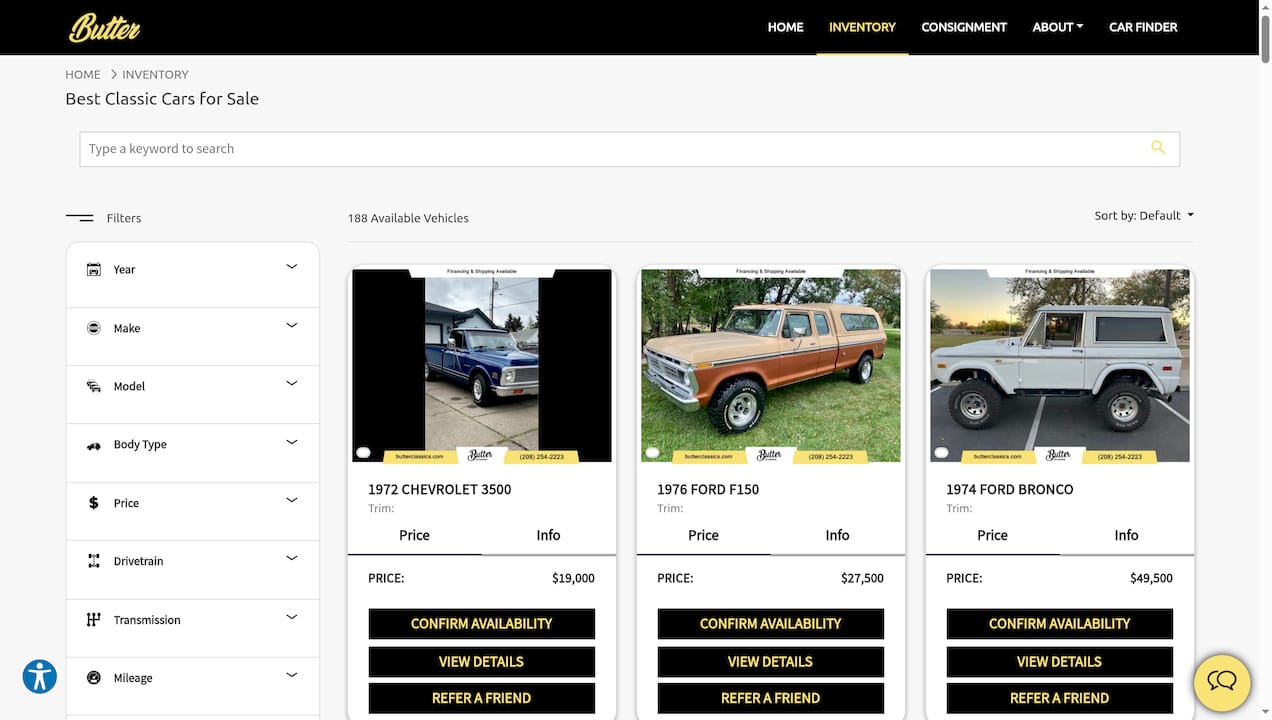
Butterclassics offers access to certified classic vehicles with tailored coverage options designed for the unique needs of vintage car owners. Flexible terms, comprehensive component coverage, and a team that genuinely loves these cars make the process smooth as butter. Browse the full inventory and learn about available protection plans at Butterclassics to find the coverage that fits your vehicle and your budget.
FAQ
What is a Vehicle Service Contract for classic cars?
A Vehicle Service Contract is a third-party agreement that covers mechanical and electrical repair costs on a classic or vintage vehicle. It is not a manufacturer warranty and can be purchased at any time, regardless of the vehicle's age.
What does a classic car warranty cover?
Classic car VSCs typically cover engine internals, transmission, drivetrain, electrical modules, and cooling and fuel systems. They do not cover accident damage, theft, or environmental damage, which fall under standard insurance.
How much does a classic car warranty cost?
Comprehensive coverage for collector vehicles typically costs $2,000–$3,000 per year, while basic powertrain plans run around $1,000 annually, depending on the vehicle's make, condition, and rarity.
Should I buy a classic car warranty if my car is already insured?
Yes. Classic car insurance and a VSC cover completely different risks. Insurance handles accidents and theft; a VSC handles mechanical and electrical breakdowns that insurance will never pay for.
How do I qualify for a classic car warranty?
Eligibility is based on vehicle condition, maintenance history, and rarity rather than mileage alone. Providers typically require detailed service records, and some rare or heavily modified vehicles may need special underwriting review.