If you want a rewarding weekend driver, look at the 964 or 993. If you want the purest air-cooled experience and can handle more maintenance, a well-sorted G-series is the sweet spot. If you're buying with resale in mind, matching-numbers cars with documented history hold value best, so budget for a specialist pre-purchase inspection before you sign anything.
TL;DR:
- Buyers should prioritize documented, matching-numbers cars with comprehensive service history, especially when investing or aiming for long-term value.
- Rust and corrosion are the primary issues on pre-1998 cars, while oil leaks and accident repairs are common red flags across all generations.
- A professional pre-purchase inspection by an experienced Porsche specialist is essential to identify hidden problems and ensure a fair deal.
- Parts availability varies by era, with air-cooled models benefiting from a mature aftermarket and water-cooled models often requiring longer lead times from Porsche Classic.
- Buying from reputable sources, verifying provenance, and using escrow services reduce risks during ownership transfer and protect against costly unseen damages.
Table of Contents
- Quick shortlist: which generation suits which buyer
- Generation-by-generation guide: what each era offers and what to check
- Valuation and pricing: condition tiers and how to judge a fair price
- Common mechanical and structural issues by era and red flags
- Pre-purchase inspection checklist and commissioning an inspector
- Ownership costs, parts availability, and maintenance planning
- How to buy: sourcing, verifying provenance, paperwork, escrow and transport
- Expert checklist and how Butter Classics supports buyers
- Author's perspective: balancing originality, drivability and investment
- Butter Classics: how we help buyers search, finance, and consign classic 911s
- Primary sources and further reading
- Sources
- FAQ
Quick shortlist: which generation suits which buyer
Not every classic 911 buyer wants the same thing, and that's fine. Some folks want to drive their 911 every sunny Saturday, some want a project that rewards patience, and some are thinking about what the car will be worth in ten years. Here's how we'd sort it.
The enthusiast driver wants a car that feels alive on a back road without demanding a second mortgage for parts. The 964 (1989 to 1994) and 993 (1995 to 1998) hit that mark because both improved ride quality and drivability over earlier cars while staying mechanically approachable. Expect to pay more for a clean, low-mileage 993 than for a needs-work 964, but both give you a genuine air-cooled feel with fewer daily compromises.
The value-seeker wants the most 911 for the least money without buying someone else's headache. G-series cars from the late 1970s and 1980s, particularly the less glamorous variants like the 911SC, tend to offer the lowest entry point into air-cooled ownership. A tidy, honest driver-grade SC can cost a fraction of what a comparable 964 commands, though you'll want to budget for rust repair if the car hasn't already had it addressed.
The investment collector is chasing scarcity, originality, and story. Early F-series cars with desirable options, low production numbers, or competition history sit at the top of the market, and later air-cooled variants with unbroken documentation follow close behind. For this buyer, a car with matching numbers, original paint, and a full service history is worth paying a real premium over a cosmetically similar but undocumented example.
- Enthusiast driver: 964 or 993, priced from driver-quality to fully sorted.
- Value-seeker: G-series 911SC or similar, priced as an honest driver with some project potential.
- Investment collector: documented F-series or rare late air-cooled variants, priced at a premium for provenance.
Generation-by-generation guide: what each era offers and what to check
Every 911 generation has its own personality, its own weak points, and its own reasons to love it. Knowing the differences before you shop saves you from falling for a pretty photo and missing a costly problem.

F-series (1964 to 1973)
These are the original 911s, and they define what "classic" means to most enthusiasts. Early F-series cars are prized for their light steering, simple mechanicals, and the purity of the original design. Rare variants like the 911 RS sit at the very top of the market, commanding prices well beyond a standard coupe of the same year.
What to check: rust is the number one concern on any F-series car, especially around the floor pans, battery tray, and inner fenders. Engine originality matters enormously here, since a numbers-matching crankcase adds real value while a replacement unit can cut it substantially. Because these cars are now over fifty years old, ask directly about crankcase and case-half history, and expect that a full restoration on a rough F-series car can run into serious money once paint, rust repair, and mechanical freshening are added together.
G-series (1974 to 1989)
The G-series cars, often called "impact bumper" 911s for their US-mandated bumpers, are where many buyers get their first taste of air-cooled ownership. Rust remains the biggest structural concern across this era. Buyers should check sills, kidney bowl panels, screen pillars on sunroof cars, the front boot floor, and the torsion tube for corrosion before considering anything else about the car.
Heat exchangers wear out on nearly every G-series car and are a normal maintenance item rather than a red flag, but a seller who's never touched them in decades of ownership is worth asking about. Some engines from this era, particularly certain 3.2 Carrera variants, have known head-stud concerns that owners and specialists watch closely. Persistent heavy oil leaks can be a warning sign of bigger problems: heavy oil leaks in air-cooled engines can signal failing head studs or worn cylinder seals, and what looks like a simple gasket job can turn into a full engine-out rebuild once the mechanic gets inside.
US-spec G-series cars also differ from European models in bumper design, lighting, and sometimes emissions equipment, which matters if you're chasing originality or planning to import parts.
964 (1989 to 1994) and 993 (1995 to 1998)
The 964 was the first 911 to bring real modernization: power steering, a better heating system, and eventually all-wheel drive on the Carrera 4. It's the car that made the 911 livable as a daily driver without losing the air-cooled character.
The 993 refined that formula further and is the last air-cooled 911 ever built, which alone keeps demand strong. Its multi-link rear suspension solved much of the snap-oversteer reputation that haunted earlier cars, and its build quality was a genuine step up.
For both generations, pay close attention to suspension bushings and brake components, since age and mileage catch up with these systems even on well-kept cars. Rare trims, like the 964 RS or 993 Turbo, carry a significant premium and deserve extra scrutiny on originality and history given how often they're replicated or modified to look like something they're not.
- 964: watch for suspension wear, check the dual-mass flywheel on manual cars, and verify any Carrera 4 all-wheel-drive components are functioning correctly.
- 993: confirm the multi-link rear suspension hasn't been neglected, and inspect for oil leaks around the updated engine seals.
Pro Tip: Ask for maintenance records going back as far as the seller has them. A thin folder of recent receipts tells you less than a thick one showing decades of consistent care.
996/997 (1999 to 2012)
The 996 marked the 911's move to water cooling, which brought better reliability in some areas and new concerns in others. Buyers researching this era will run into discussion of intermediate shaft bearing failures, a known risk on certain engine variants from this period that can lead to catastrophic engine damage if the bearing fails. A specialist inspection that includes a borescope look at the bearing area, along with careful attention to any metal in the oil, is worth the cost before you buy.
The 997 that followed addressed many of these concerns and is generally viewed as the more dependable of the two, particularly in its later production years. Both generations benefit from careful checks of the cooling system, since water-cooled 911s depend on radiators, hoses, and a working climate system in ways air-cooled cars never did.
Manual transmissions remain more desirable than the automated options offered during this era, and they tend to hold value better over time. Electronics, from window regulators to early infotainment units, can develop quirks with age, so test everything during a viewing rather than assuming it works.
991/992 (2011 to present)
The 991 and 992 generations bring modern electronics, driver aids, and build quality that make them the easiest 911s to live with day to day. They're also complex enough that DIY maintenance is far less practical than on older cars, and many owners rely on dealer or specialist service for anything beyond basic upkeep.
These cars aren't "classic" in the traditional sense yet, but early 991s are beginning to attract collector interest as the newest cars old enough to be viewed with some nostalgia. If you're buying one with an eye toward long-term value, look for cars still under or recently out of factory warranty, since that history reduces the risk of an undisclosed issue hiding behind a clean exterior.
Valuation and pricing: condition tiers and how to judge a fair price
Every classic 911 falls somewhere on a spectrum from barn find to concours winner, and knowing where a specific car sits is the difference between a fair deal and an expensive mistake.
A barn find or project car usually needs mechanical work, has visible rust or old repairs, and may not run at all. These cars are the cheapest way into the model but almost always cost more to finish than buyers expect once labor and parts are added up. A driver is a running, usable car with some cosmetic wear, minor mechanical needs, and an incomplete or spotty service history. It's the most common category on the market and the one where price negotiation matters most. A well-sorted driver has had recent mechanical attention, decent paint and interior condition, and at least some documented history, making it a safer bet for someone who wants to drive the car without immediate surprises. A concours-quality car is at or near its original specification, with matching numbers, correct paint, and a documented ownership trail, and it commands the highest prices in the market.
Documents and options move the needle on price more than most buyers expect. Matching numbers between the engine, transmission, and chassis add real premium, as does confirmation of original paint under the current finish. Factory options that were rare when new, like a sunroof delete or a specific color combination, can add meaningful value to collectors chasing originality. A thick stack of service invoices, especially from marque specialists, does more for a car's value than a fresh detail job ever will.
To settle on a fair number, triangulate across a few sources rather than trusting one listing. Compare active listings for similar years and condition, check recent auction results for the same generation, and adjust for the specific car's documentation, options, and any deferred maintenance you uncover during inspection.
- Barn find: cheapest entry point, but budget heavily for mechanical and cosmetic work.
- Driver: usable now, with room to negotiate based on service gaps.
- Well-sorted driver: priced higher but lower risk thanks to recent attention.
- Concours: commands the top of the market on originality and documentation alone.
Common mechanical and structural issues by era and red flags
The single biggest cost driver in classic 911 ownership isn't routine maintenance, it's the deferred problem a seller didn't mention. Knowing the pattern of failures by era helps you spot trouble before you own it.
On air-cooled cars, rust is the enemy that never stops working. Check the sills, floor pans, torsion tube, and front boot floor on any car built before 1998, since these areas corrode from the inside out on many classic 911s and repairs done poorly leave welds and filler that a trained eye can spot. Oil leaks are common on air-cooled engines and often harmless, but persistent heavy leaks can point toward failing head studs or worn cylinder seals, a distinction only a specialist inspection can confirm with confidence.

The practical takeaway is simple: treat oil weeping around the case halves as a question mark, not an automatic deal-breaker, and get it checked.
Early water-cooled cars bring a different set of worries. Intermediate shaft bearing concerns on certain 996 and early 997 engines are well documented enough that a borescope inspection of the bearing area is standard practice for a careful buyer. Milky residue on the oil cap or coolant that looks discolored can both point toward head gasket or cooling system problems that are expensive to chase down.
Body and chassis red flags apply across every generation. Panel gaps that don't match side to side, a paint line that stops abruptly at a seam, or a fresh bead of weld in a spot that should be factory smooth all suggest prior accident repair. During a test drive, any new noise, burning smell, or visible smoke should stop the process immediately rather than get explained away as normal for an old car.
- Rust in the sills, floor pans, or torsion tube on any pre-1998 car.
- Heavy or persistent oil leaks around the case halves.
- Mismatched panel gaps or fresh weld beads suggesting accident repair.
- Any smoke, burning smell, or new noise during the test drive.
Pre-purchase inspection checklist and commissioning an inspector
Skipping a professional inspection is the most expensive shortcut a classic 911 buyer can take. The car might look great in photos and drive fine around the block, and still hide a problem that costs more to fix than the purchase price itself.
A proper inspection follows a sequence rather than a quick glance:
- Walk the exterior in good light, checking panel gaps, paint consistency, and glass dates for originality clues.
- Get the car on a lift to inspect the underside for rust, accident repair, and fluid leaks.
- Open the engine bay cold, checking for leaks, corrosion, and any mismatched or aftermarket components.
- Start the engine cold and listen for knocking, tapping, or uneven idle before it warms up.
- Check the transmission for smooth shifts and listen for grinding or clutch slip.
- Test every electrical system, from windows to gauges to climate control.
- Take the car on a proper road test covering city streets and highway speeds.
- Recheck for leaks and smoke immediately after the drive, since problems often show up once the car has fully warmed.
For who to hire, an independent Porsche specialist with hands-on experience across the specific generation you're considering is usually the better choice over a generalist classic car inspector, simply because they've seen the patterns before. On high-value purchases, prioritizing a Porsche Classic Technical Certificate adds a layer most independent inspections don't, since it requires a physical inspection by a Porsche Classic Partner to verify matching numbers and technical condition, offering stronger confirmation than a production-spec Certificate of Authenticity alone.
Inspection costs vary by region and inspector, but budgeting between $150 and $600 is a reasonable range for most classic car inspections in the United States. Use the written report as your negotiating tool: a clean report supports the asking price, while a report full of red flags gives you grounds to negotiate down or walk away entirely.
Pro Tip: Never let a seller's inspector be your only inspector. Bring your own, even if it means scheduling around their availability.
Ownership costs, parts availability, and maintenance planning
Owning a classic 911 costs more than fuel and insurance, and buyers who skip this math often end up surprised by year two.
Routine service on an air-cooled car, covering fluids, belts, and basic inspection items, typically falls in a modest annual range for a well-maintained example, though a clutch replacement or brake overhaul will push a given year well above that baseline. Water-cooled 996 and 997 cars carry similar routine costs but add complexity around electronics and cooling system upkeep that can raise the bill when something goes wrong.
Parts availability differs sharply by era. Air-cooled cars benefit from a mature aftermarket and reproduction parts industry, which keeps many common items affordable and easy to source quickly. Water-cooled cars, by contrast, often depend more heavily on Porsche Classic parts for exact-fit components, which can mean longer lead times and higher costs for anything beyond the basics.
- Budget for annual service, then set aside a separate reserve for major items like clutch or brake work.
- Air-cooled parts are generally easier and cheaper to source through the aftermarket.
- Water-cooled parts often route through Porsche Classic, which can mean longer waits.
- Insurance for a classic 911 is typically cheaper through agreed-value or classic car policies than standard coverage, but mileage limits usually apply.
- Storage in a dry, climate-stable space protects both the body and the mechanicals over time.
How to buy: sourcing, verifying provenance, paperwork, escrow and transport
Finding the right classic 911 is only half the job. Verifying it and closing the deal cleanly is the other half, and it's where most costly mistakes happen.
- Search specialist dealer listings, consignment marketplaces, enthusiast classifieds, and auction results to build a realistic sense of what's available and at what price.
- Vet each listing by asking for additional photos, a video of the engine running, and a clear answer on why the seller is selling.
- Demand documentation before you commit: title, service history, original invoices, and confirmation of matching numbers between engine, transmission, and chassis.
- For high-value cars, ask whether a Porsche Classic Technical Certificate exists or whether the seller will support getting one, since it requires physical inspection by a Porsche Classic Partner.
- Use an escrow service or a documented bank transfer for payment rather than wiring funds directly to an unverified account.
- Confirm sales tax and title transfer requirements for your state before finalizing payment, since rules vary and can affect your total cost.
- Arrange enclosed transport for anything beyond a short local drive, since a classic car's value justifies the extra protection.
As Porsche's own guidance puts it, buying a classic 911 is as much about researching the seller as it is the car, and documented maintenance history from a known, careful owner often makes a better purchase than a cheaper car with no paper trail. A well-documented buying guide can help first-time buyers keep the paperwork checklist straight from first contact to final signature.
Expert checklist and how Butter Classics supports buyers
Tony's inspection notes for Butter Classics come from years of walking buyers through exactly these checks, generation by generation. A marketplace built around detailed listings and consignment documentation reduces the guesswork that usually falls on the buyer alone, since provenance and history can be centralized rather than chased down piecemeal. For readers evaluating condition themselves first, our guide on evaluating vintage car condition is a useful next stop.
Author's perspective: balancing originality, drivability and investment
Originality matters, but I'd rather see a buyer drive a well-sorted 964 every weekend than let a numbers-matching F-series sit under a cover out of fear of devaluing it. Patience beats impulse every time in this market: the right car will show up again if this one has a red flag your inspector can't explain away. Trust the inspection report over the seller's story, and trust your gut when something doesn't add up.
— Tony
Butter Classics: how we help buyers search, finance, and consign classic 911s
Searching dozens of scattered listings takes time you'd rather spend driving. Butter Classics centralizes detailed listings with real photos and specifications, so you can compare cars side by side instead of chasing down sellers one at a time.
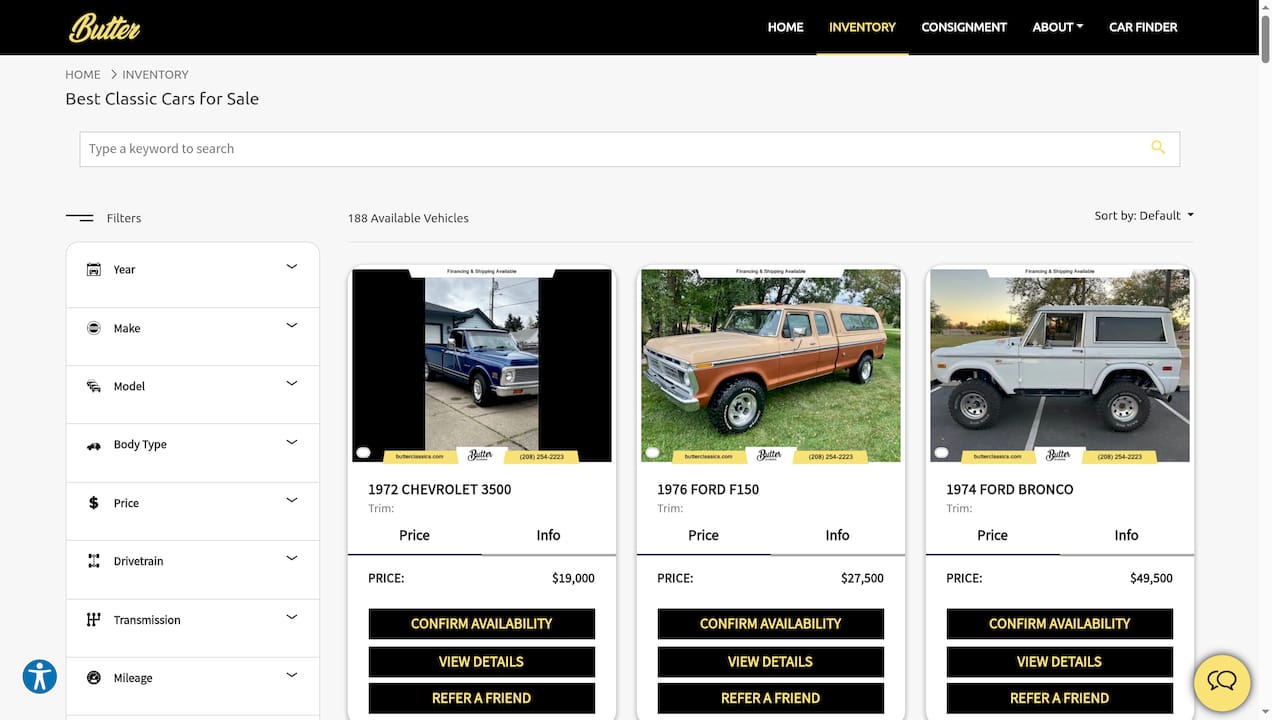
If financing makes sense for your purchase, we offer financing pre-qualification to help you understand your budget before you fall for a car. Thinking about selling instead? Our consignment service handles the listing and buyer inquiries for you. Whichever direction you're headed, always commission a specialist pre-purchase inspection before any classic 911 changes hands, and when you're ready, browse our current inventory to see what's available now.
Primary sources and further reading
- Porsche's official guide to buying a 911
- Porsche Classic Technical Certificate documentation
- Randy Leffingwell's Classic Porsche 911 Buyer's Guide, 1965 to 1998
- If a purchase later reveals undisclosed defects, Porsche lemon law guidance outlines buyback and replacement remedies.
Sources
- How to buy a Porsche 911
- Buyer's guide: Porsche 911 (1974-’89)
- Porsche Classic Technical Certificate information (Porsche vehicle documentation)
- Classic Porsche 911 Buyer's Guide 1965-1998 - Autobooks-Aerobooks
FAQ
What are the best years to buy a Porsche 911?
There's no single best year, since the right generation depends on your goals: the 964 and 993 suit drivers who want modern manners with air-cooled character, while G-series cars offer the lowest entry cost. Investment-focused buyers tend to favor early F-series cars or rare, documented late air-cooled variants.
Which Porsche 911 to stay away from?
No generation should be avoided outright, but any car with unexplained rust repair, inconsistent panel gaps, or a seller unwilling to support an inspection is one to walk away from. Early 996 and 997 engines with unclear bearing history deserve extra scrutiny before purchase.
What is the poor man's Porsche 911?
Among classic 911s, the G-series 911SC from the late 1970s and 1980s is often considered the most accessible entry point, offering genuine air-cooled ownership at a lower price than 964 or 993 models. Condition and rust history still matter enormously at this price point.
What is the holy grail of Porsches?
Definitions vary among collectors, but rare early F-series variants like the 911 RS, along with certain low-production later models with documented history, are generally regarded among the most sought-after classic 911s. Scarcity, originality, and unbroken provenance drive this status more than any single spec.
How much does a pre-purchase inspection cost?
A pre-purchase inspection for a classic car typically runs between $150 and $600 in the United States, depending on the inspector and depth of the check. This cost is small compared to the risk of buying a car with hidden mechanical or structural problems.