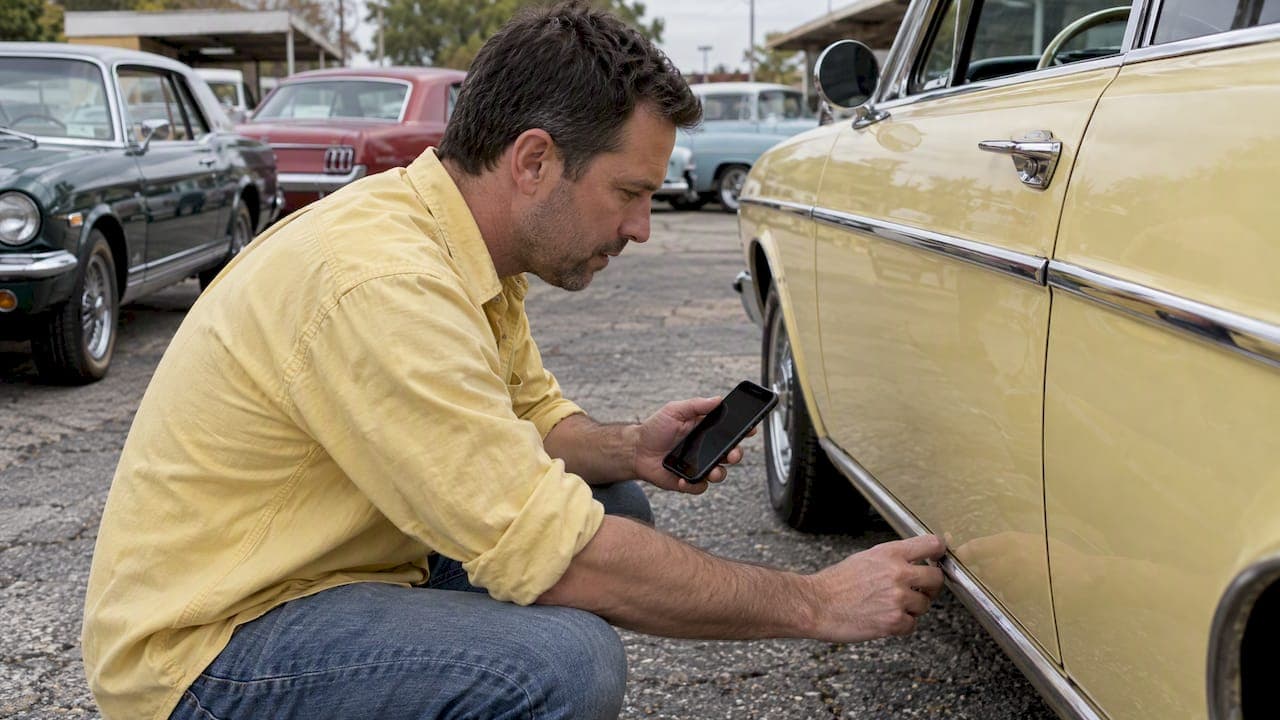
If you want the lowest possible price and can live with limited inspection, an online auction usually wins. If you want to see detailed photos, ask questions, and buy with some protection, a marketplace is the better fit. Either way, run a VIN check before you pay a dime.
TL;DR:
- Auction condition reports can omit frame history, accident repairs, and hidden rust, while buyer premiums, deposits, and short payment deadlines raise the stakes.
- Before paying, check the VIN and title through an approved provider, search NHTSA for open recalls, and arrange an independent inspection for sight unseen purchases.
- Marketplace protections vary: escrow and return windows are not universal, private sellers offer less accountability, and dealers must provide the FTC Buyer’s Guide.
- Set your ceiling only after adding auction premiums, possible platform or escrow charges, transport, and paperwork costs; many states still require an in person signature.
- For rare classics, curated marketplaces or brokers may surface niche inventory; compare marketplace prices and condition norms before bidding, or hire an inspection broker.
Table of Contents
- Auctions vs marketplaces: a quick side-by-side look
- How online car auctions actually work
- How online marketplaces operate for buyers
- Pros and cons that actually affect your wallet
- Your due-diligence checklist before you pay anyone
- The real cost once fees and timing enter the picture
- Which channel fits your specific goal
- How a curated classic marketplace changes the equation
- A straight answer from someone who's seen both sides go wrong
- Find your next classic without the guesswork
- FAQ
- Sources
Auctions vs marketplaces: a quick side-by-side look
The two channels are built differently, and their structure shapes almost everything else about your buying experience.
Auctions run on bidding. You see a starting price, a countdown clock, and a condition report written by someone else. Marketplaces run on fixed or negotiable prices set by the seller, whether that's a private owner, a dealer, or a curated platform that vets its inventory.
- Sellers differ: auctions mix private consignors, dealers, and wholesalers; marketplaces range from individual owners to specialty dealers with reputations to protect.
- Inspection access varies: auctions typically rely on third-party condition reports; marketplaces often allow test drives or independent pre-purchase inspections.
- Timelines move at different speeds: auctions close fast once bidding ends; marketplace deals can stretch out during negotiation.
- Payment structures aren't the same: auctions often require a deposit and a buyer premium on top of the hammer price; marketplaces may involve escrow or payment plans instead.
Scams show up on both channels. Watch for sellers who refuse video calls, push you toward wire transfers or gift cards, or can't produce a title. The FTC has warned about these patterns repeatedly, and they apply whether you're bidding or browsing.
Pro Tip: Before you bid or message a seller, search the listing photos in reverse image search. Stolen or recycled photos are an easy scam signal to catch in thirty seconds.
How online car auctions actually work
Auctions fall into two broad types: public platforms anyone can join, and dealer-only auctions that require a license to access. Public auctions are where most everyday buyers end up, and they follow a fairly predictable sequence.
- Registration and deposit. Most platforms require a refundable or partially refundable deposit before you can place a bid.
- Bidding window. Listings run for a set number of days, with bids often extending the clock in the final minutes to prevent sniping.
- Condition report review. Sellers or the platform typically post a report covering visible damage, mechanical notes, and sometimes a mechanic's inspection, but these reports commonly omit frame history, prior accident repairs, or hidden rust.
- Winning bid and buyer premium. The final price isn't the whole price. Buyer premiums, often a percentage added on top of the hammer price, are standard practice.
- Payment and pickup. Once you win, payment is usually due within a short window, and arranging shipping or pickup is on you.
The gap between what a condition report says and what's actually true on the car is the single biggest risk in auction buying. A report written by someone paid by the seller isn't the same as an inspection you commissioned yourself.
How online marketplaces operate for buyers
Marketplaces work more like traditional car shopping, just online. You browse listings at a fixed or negotiable price instead of racing a clock.
- Private seller listings usually offer the lowest friction to negotiate but the least accountability if something goes wrong after the sale.
- Dealer listings come with legal disclosure requirements, including the FTC Buyer's Guide that must be provided even when the purchase starts online.
- Curated marketplaces sit in between, vetting inventory and often standardizing how vehicles are photographed, described, and priced.
- Messaging and offer tools let you negotiate directly with a seller instead of competing against other bidders in real time.
Your typical workflow looks like this: contact the seller, ask for additional photos or a video walkaround, request a test drive or independent inspection, negotiate price, then complete paperwork. Some marketplaces offer escrow services or short return windows, though these protections vary widely by platform and aren't universal. The flexibility to pause, inspect, and walk away before committing is the core advantage marketplaces hold over auctions.
Pros and cons that actually affect your wallet
Price and risk trade off against each other on both channels, and understanding exactly where that trade happens helps you pick the right one for your situation.
Auction advantages:
- Potential for a lower purchase price, especially on vehicles that attract less bidding attention.
- Exposure to a wider pool of inventory, including wholesale and dealer-trade vehicles you won't find on typical listing sites.
- Transparent bidding history shows you what others were willing to pay.
Auction drawbacks:
- Limited or no hands-on inspection before you commit to buy.
- Buyer premiums and deposits add real cost on top of the winning bid.
- Tight payment and pickup timelines leave little room to arrange financing or shipping after the fact.
Marketplace advantages:
- Inspection and test-drive access before you pay.
- Clearer seller identity, especially with dealers bound by disclosure rules.
- Return policies or escrow protections on some platforms soften the risk of a bad surprise.
Marketplace drawbacks:
- Asking prices tend to run higher since there's no competitive bidding pressure to lower them.
- Seller reliability varies enormously, particularly with private sellers.
- Negotiation takes time and effort that bidding doesn't require.
Buying a used car online saves time, but it can also reduce your negotiating leverage since you're often working from a fixed listing price rather than an in-person back-and-forth, according to Consumer Reports. That tradeoff matters more on marketplaces than auctions, where the bidding process sets the price for you.
Your due-diligence checklist before you pay anyone
None of this works without verification. Skipping these steps is how buyers end up with salvage titles, rolled-back odometers, or cars still under open recall.
- Run a VIN and title check through NMVTIS-approved providers to surface salvage, flood, or odometer discrepancies that a casual listing won't mention.
- Check for open recalls using NHTSA's VIN-based recall search, which shows repair status for that exact vehicle rather than a generic make and model list.
- Pull a full vehicle history report and treat it as a starting point, not a guarantee. The FTC recommends this step specifically for anyone buying a used car online.
- Arrange an independent pre-purchase inspection if you're buying sight unseen. A mobile mechanic or local shop near the seller can catch what photos never will.
- Save everything. Screenshots of the listing, your messages with the seller, and any Buyer's Guide paperwork from a dealer all matter if a dispute comes up later.
For a deeper walkthrough on spotting title problems specifically on classic and collector vehicles, our guide on avoiding title scams when buying sight unseen covers the red flags in more detail.
Pro Tip: Run the recall check before the history report. It's free, takes two minutes, and can eliminate a car from consideration before you spend money on anything else. You can also run a VIN recall check in about ten minutes using this step-by-step walkthrough from Elmwood Auto Sales.
The real cost once fees and timing enter the picture
The sticker price or winning bid is never the whole story.
- Auction buyer premiums typically add a percentage on top of your winning bid, and deposits are often nonrefundable if you back out.
- Marketplace fees vary by platform, with some charging service fees or escrow charges that aren't obvious until checkout.
- Shipping and transport costs scale with distance and vehicle size, so a cross-country classic truck purchase costs meaningfully more to move than a local sedan.
- State paperwork rules matter more than most buyers expect. Many states require an in-person signature to finalize a sale, so a fully remote purchase is rare even when the shopping and negotiation happen entirely online, a point both Consumer Reports and industry guidance on e-signatures confirm.
Budget for these extras before you set your maximum bid or your negotiating ceiling, not after.
Which channel fits your specific goal
Match the channel to what you're actually trying to accomplish, not just to habit.
- Bargain hunter comfortable with risk: lean toward auctions, but commit to the full due-diligence checklist before you bid, not after you win.
- Buyer who needs inspection and provenance: a marketplace, or a consignment arrangement where documentation is part of the sale, serves you better.
- Hunting a rare or specific classic: a curated marketplace or broker with specialty inventory tends to surface what general auction sites miss, since fewer buyers compete for niche vehicles there. Our comparison of auctions versus dealers versus curated marketplaces walks through this scenario in more depth.
- Combining both channels: research pricing and condition norms on a marketplace first, then bid at auction with realistic expectations, or hire an inspection broker to check an auction vehicle in person before the bidding closes.
How a curated classic marketplace changes the equation
For collectors specifically, provenance and documentation matter more than shaving a few hundred dollars off a bid. That's where we built Butter Classics differently from a general auction site.
- We provide detailed listings with photos and specifications so you can evaluate condition before you ever reach out.
- We offer financing options to help you understand your budget before making a purchase.
- We support consignment for sellers, which helps ensure inventory on our site includes ownership documentation.
- We schedule test drives and quote requests, giving you hands-on access that auction condition reports can't replace.
Collectors benefit from curated inventory because every listing is built around the kind of specifications and history that matter for a classic, not a generic description meant to move volume. Start by browsing our inventory or requesting a quote on a specific model you're hunting.
A straight answer from someone who's seen both sides go wrong

My take is simple: auctions reward buyers who already know exactly what they're looking at, and marketplaces reward buyers who need to ask questions first. If you can't physically inspect a car or send someone to do it for you, don't bid blind.
My own rules: always run the VIN before I fall in love with the photos, never skip an independent inspection on anything over a few thousand dollars, and keep every message and document until the title is in my hand.
— Tony
Find your next classic without the guesswork
Whether you're chasing a specific Bronco or browsing muscle cars for the first time, we make the search easier by putting detailed specs, photos, and financing pre-qualification in one place instead of scattered across auction listings and private ads.
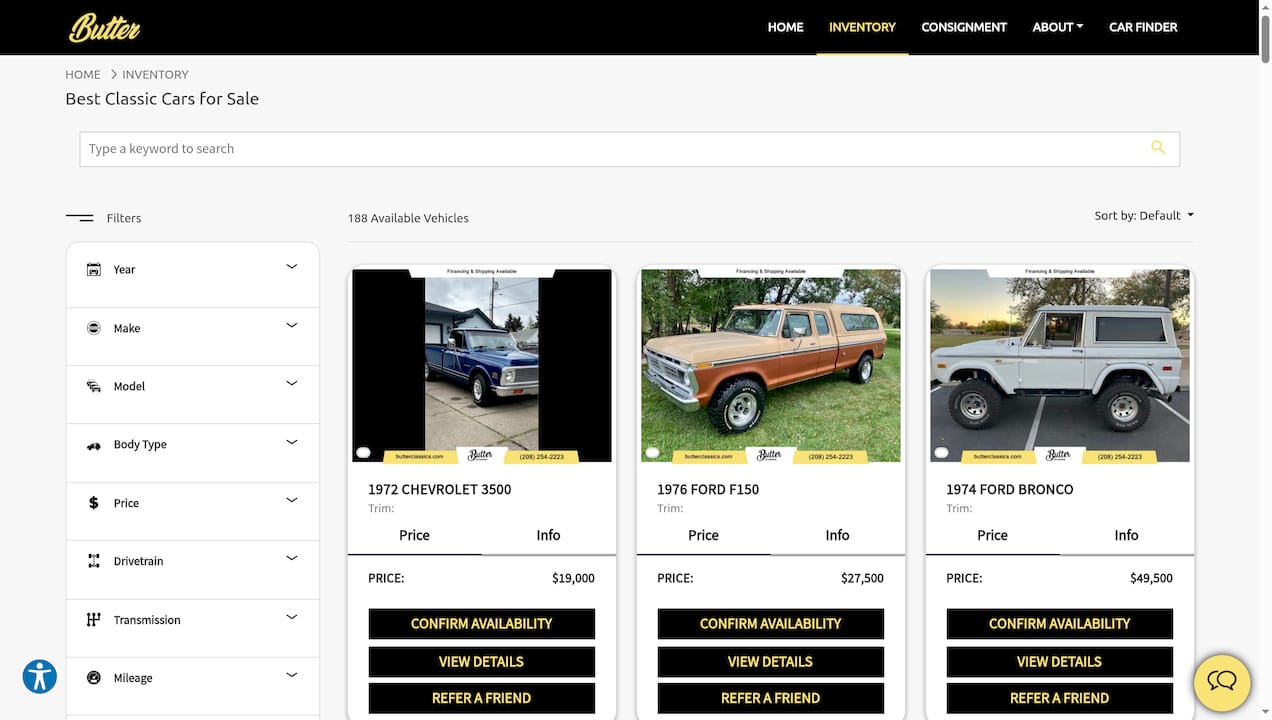
- Browse our full inventory of classic cars, vintage trucks, and collector vehicles by price or type.
- Use our Car Finder tool if you have a specific model in mind.
- Thinking about selling instead? Learn how consignment works with us.
Even when you buy through a curated marketplace, still run your VIN and recall checks. Good documentation and a quick verification take minutes and protect the investment either way.
FAQ
What is the $3,000 rule for buying cars?
This isn't a standard or regulatory rule, and there's no official dollar threshold tied to car purchases. If you've seen it referenced, it's likely informal advice about budgeting for repairs or a specific lender's policy rather than a universal buying guideline.
What are the downsides of online auctions?
The biggest downside is limited inspection access, since you're relying on a condition report rather than seeing the car yourself. Buyer premiums, nonrefundable deposits, and tight payment timelines add further risk if the vehicle isn't what the listing described.
Are online car auctions legit?
Most established auction platforms are legitimate businesses, but legitimacy doesn't eliminate buyer risk. The FTC has warned about scammers posing as sellers on legitimate platforms, so verifying the seller and the vehicle's history still matters regardless of the site's reputation.
Is it wise to buy a car off a marketplace listing site?
It can work well if you verify the seller, inspect the vehicle in person or hire someone to do it, and confirm the VIN and title before paying. Treat any request for wire transfer or gift card payment as an immediate red flag and walk away.
How do condition grades affect what I should pay?
A condition grade or score gives you a starting point for negotiation, not a guarantee of the car's actual state. Always weigh it against an independent inspection or detailed photos, since grading standards differ between platforms and aren't independently audited in most cases.
Sources
- What to know when buying a used car online
- Vehicle safety resources | NHTSA
- How to buy a car online | Consumer Reports
- E-signatures and virtual-fi: key pathways to paperless car buying