Before you write a check for a 1966 to 1974 Dodge Charger, verify three things: documented history through a Broadcast Sheet or Fender Tag, frame rails free of through rust, and an original high value powertrain if you're paying Hemi or Six Pack money. If any of those three come up short, reprice the deal or walk. If they check out, move to a full mechanical inspection and paperwork review. Start by requesting a Broadcast Sheet decode and booking a pre-purchase inspection before you send a deposit.
TL;DR:
- Verifying rust through the frame rails and floor pans is crucial, as extensive rust repair often exceeds the car's value and can be a deal-breaker.
- Engine originality, especially the presence of a Hemi or Six Pack, greatly influences value, with documented cars often commanding six-figure prices.
- Authentic documentation like the Fender Tag and Broadcast Sheet are essential to confirm a car's provenance and detect clones or misrepresented restorations.
- Mechanical condition, including suspension, steering, and driveline, must be thoroughly inspected or tested to avoid costly surprises after purchase.
- Starting with verified paperwork and professional inspections offers the best protection against overpaying for a clone or structurally compromised Charger.
Table of Contents
- A field-ready inspection checklist for your next Charger viewing
- How much is a Charger worth by year, engine, and options?
- How do you verify a Charger's documents and spot a clone?
- What does a Charger restoration actually cost?
- What's the smartest way to actually buy one?
- Why documentation beats gloss every time
- Find your next Charger through Butterclassics
- Where to go for more Charger research
- Sources
A field-ready inspection checklist for your next Charger viewing
Rust kills more Chargers than accidents ever did; following safe steps for a clean engine bay can help preserve your restoration investment. These cars left the factory with minimal rust protection, and five decades of Northern winters or coastal humidity have caught up with most survivors. Walk the car in this order:
- Trunk floor and rear frame rails. Pull back the trunk mat and press firmly on the metal. Soft, spongy spots or bubbled paint mean rust has already eaten through, and a rusted through frame rail often makes the whole restoration uneconomical.
- Lower rear quarter panels and floor pans under the seats. Lift any carpet or floor mats you can and look for factory seam sealer that's been disturbed, a telltale sign of prior patch work.
- The magnet test. Run a small magnet along quarters, rockers, and trunk edges. If it doesn't stick, you've likely found a skim coat of body filler hiding structural rust repairs underneath.
- Hidden headlight actuators. Cycle the headlight doors five or six times. Slow, grinding, or uneven movement points to corroded actuator motors, a repair line item many buyers overlook until it's their problem.
- Suspension and steering. Check torsion bars for sag, feel for play in control arm bushings, and inspect brake lines for rust scale.
- Road test. Listen for driveline knock under acceleration, feel for delayed or harsh transmission shifts, and watch the temperature gauge and exhaust color once the engine's fully warmed.
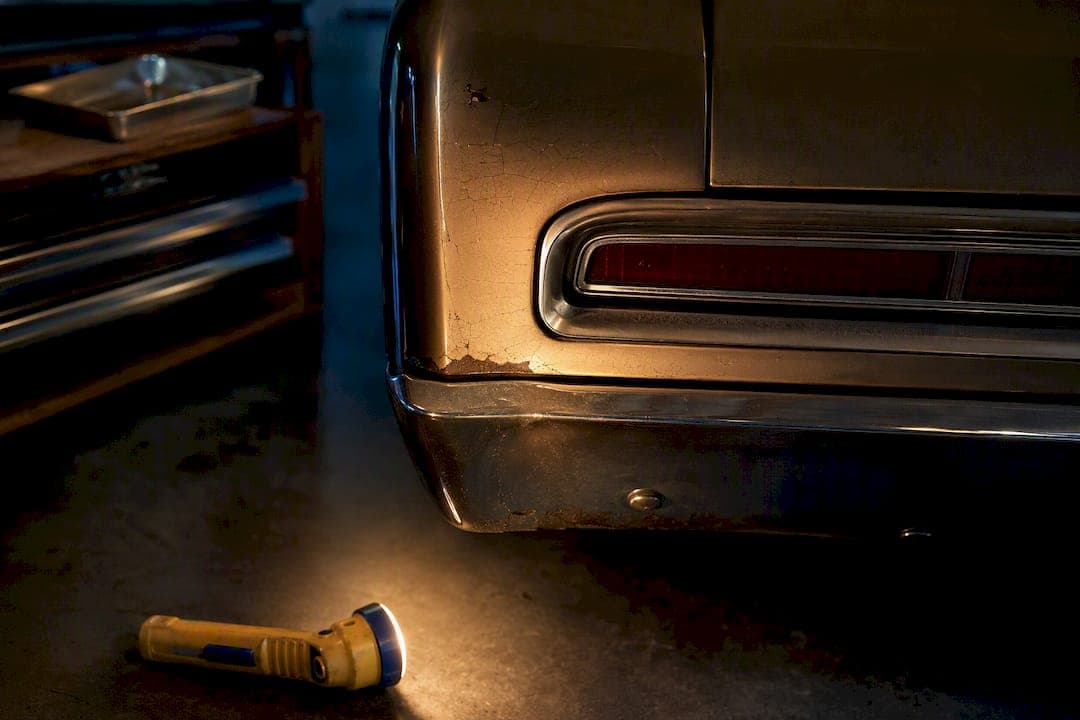
Pro Tip: Bring a flashlight, a magnet, and a friend who can crouch under the rear while you press on the trunk floor from above. You'll feel flex a visual check alone would never catch.
How much is a Charger worth by year, engine, and options?
Engine choice moves the price needle more than almost anything else on a 1966 to 1974 Charger. The 426 Hemi sits at the top of the hierarchy, followed by the 440 Six Pack, then the 440 Magnum, the 383, and finally the base 318 or slant six cars that trail well behind.
The 1968 to 1970 second generation is the era collectors chase hardest. Within that window, 1970 stands out for high-impact colors like Plum Crazy and Panther Pink, along with the SE package and factory four-speed manuals, all of which push prices upward. Some 1970 Six Pack and Hemi R/T combinations were built in numbers so low that survivors command real premiums whenever one surfaces at auction.
Rough guidance for representative combinations, condition-dependent and subject to real market swings:
- A driver-quality 318 or 383 base coupe: budget four figures into low five figures.
- A solid 440 Magnum R/T with some options: mid five figures for a good example, more for excellent.
- A documented 440 Six Pack or Hemi car: six figures is common, with exceptional numbers-matching cars going well beyond that.
A non-original engine swap, an incorrect repaint color, or missing factory options should shift negotiating leverage firmly toward the buyer. First-generation 1966 to 1967 Chargers, with their distinct fastback profile, often trade at a relative discount to later muscle-focused years, which makes them worth a look if Hemi-level prices aren't in your budget.
How do you verify a Charger's documents and spot a clone?
A VIN alone won't tell you what left the factory under that hood. Cloned Chargers, cars with correct-looking exteriors but the wrong engine or trim dressed up to look special, are common enough that serious buyers rely on factory paperwork instead of a seller's word.
- Fender Tag: stamped with body style, paint code, trim code, and build plant, riveted to the inner fender.
- Broadcast Sheet: the build sheet that traveled with the car on the assembly line, listing the exact factory-installed options and often found tucked behind seats or under carpet.
- Engine casting and date codes: stamped on the block, these need to line up with the documented build date, not just look period-correct.
A Broadcast Sheet decode is the standard document auction houses and museums lean on to confirm provenance, and hiring a Mopar documentation specialist to run that decode before you commit money is worth every dollar.
Pro Tip: Ask the seller for high-resolution photos of the fender tag and any broadcast sheet before you ever travel to see the car. A legitimate seller with nothing to hide will send them within a day.
What does a Charger restoration actually cost?
Rust repair eats more restoration budget than any other line item. Trunk floors, lower quarters, and floor pans all have reproduction panels available, but full panel sets add up fast, and labor to fit them properly costs more than the metal itself.
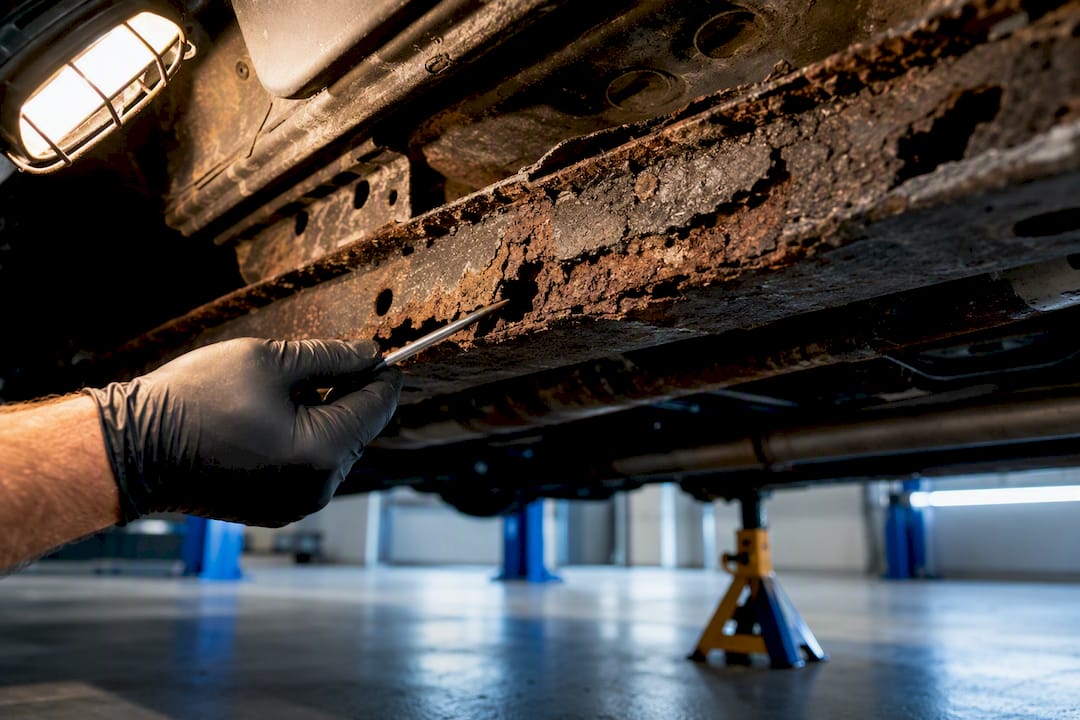
Frame rail rot is where most projects should stop. Structural frame repair demands a rotisserie, a skilled welder, and enough hours that the bill frequently exceeds the car's finished value, which is why a rusted rail is a practical deal breaker for most buyers rather than just an expensive fix.
The good news: mechanical parts are largely manageable. Torqueflite transmissions are durable and reasonably priced to recondition, and common driveline parts stay affordable because so many Mopar B-bodies shared components.
Rough cost buckets to plan around:
- Rust repair on floors and quarters: low to mid four figures for materials and labor combined, more if the frame is involved.
- Engine rebuild: mid four figures for a 383 or 440, considerably more for a correct Hemi rebuild with period-correct parts.
- Interior kit (seats, door panels, carpet): low to mid four figures depending on trim level and year-specific patterns.
- Headlight actuator replacement: a modest line item, but a real one that catches buyers off guard.
Costs swing widely by region, shop, and how picky you are about correctness, so treat these as planning ranges, not quotes.
What's the smartest way to actually buy one?
Turn everything above into a sequence instead of a wish list:
- Research first. Request Broadcast Sheet and Fender Tag details, plus current photos, before you book travel or send a deposit.
- Inspect thoroughly. Hire a classic-car pre-purchase inspector or work the checklist yourself, and insist on a written report covering rust, compression, and driveline condition.
- Negotiate from documentation. Confirmed originality, solid structure, and maintenance records are your leverage; missing any of them is the seller's problem to price in, not yours to absorb.
- Line up financing and transport. Get pre-qualified before you're mid-negotiation, and arrange enclosed transport for anything you're not driving home yourself.
Write contingencies for inspection results and document verification directly into any purchase agreement, and don't waive them just to move faster than another bidder.
Why documentation beats gloss every time
Too many buyers fall for shine and skip the paperwork, then discover months later they overpaid for a clone wearing the right stripes. Butterclassics prioritizes documented, structurally sound cars because that's what protects your money five years from now, not just on the drive home. Our marketplace gives you inventory browsing, consignment support, financing prequalification, and scheduled test drives, all built around verification first. My own advice: always get a Broadcast Sheet decode and book a test drive through Butterclassics before you make an offer.
— Tony
Find your next Charger through Butterclassics
Butterclassics is the alternative to chasing unverified listings on general classifieds. Every serious Charger purchase should start with paperwork, not a handshake, and our marketplace is built around that order of operations.
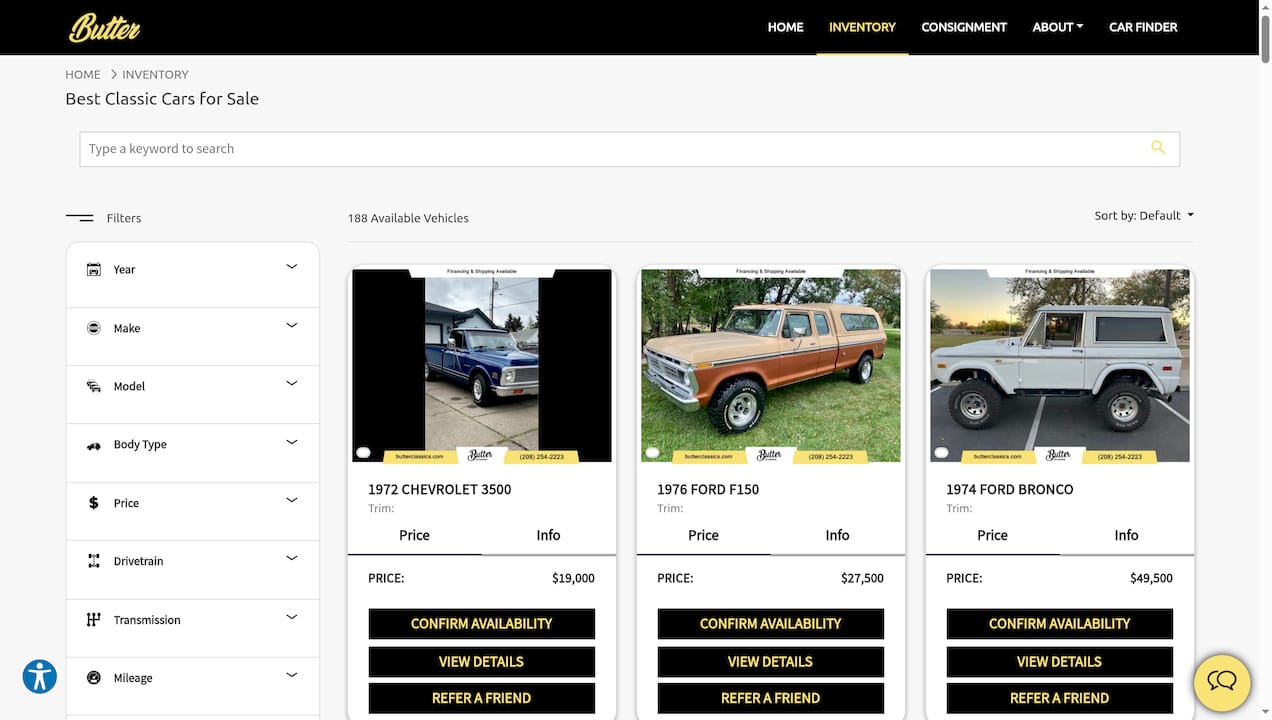
Browse our current inventory and filter by price, body style, and documentation status to find Chargers with verified history already on file. If nothing in stock matches what you're after, our car finder service will search on your behalf for a documented example that fits your engine and color preferences. Get pre-qualified for financing before you start serious negotiations, and once you've found a candidate worth pursuing, schedule a test drive to feel the car in person before anything gets signed. Consignment sellers are welcome too if you're the one letting a Charger go. Start with the inventory search and take it from there.
Where to go for more Charger research
- Hagerty's definitive 1968 to 70 Charger buyer's guide covers valuation nuance by year and engine.
- Autoevolution's coverage of a rusted 1969 Charger shows what advanced structural rust actually looks like in person.
- BackYardMechanic's inspection walkthrough details the magnet test and other hands-on checks worth practicing before you buy.
- Order Broadcast Sheet and Fender Tag decodes through a Mopar documentation specialist before finalizing any high-value purchase.
Sources
- Rusty 1969 Dodge Charger leaves the farm after 34 years — Autoevolution
- Your definitive 1968–70 Dodge Charger buyer’s guide — Hagerty Media
- Rare 1970 Dodge Charger R/T pops up in a field — Autoevolution
- How to buy a 1968–1970 Dodge Charger — BackYardMechanic