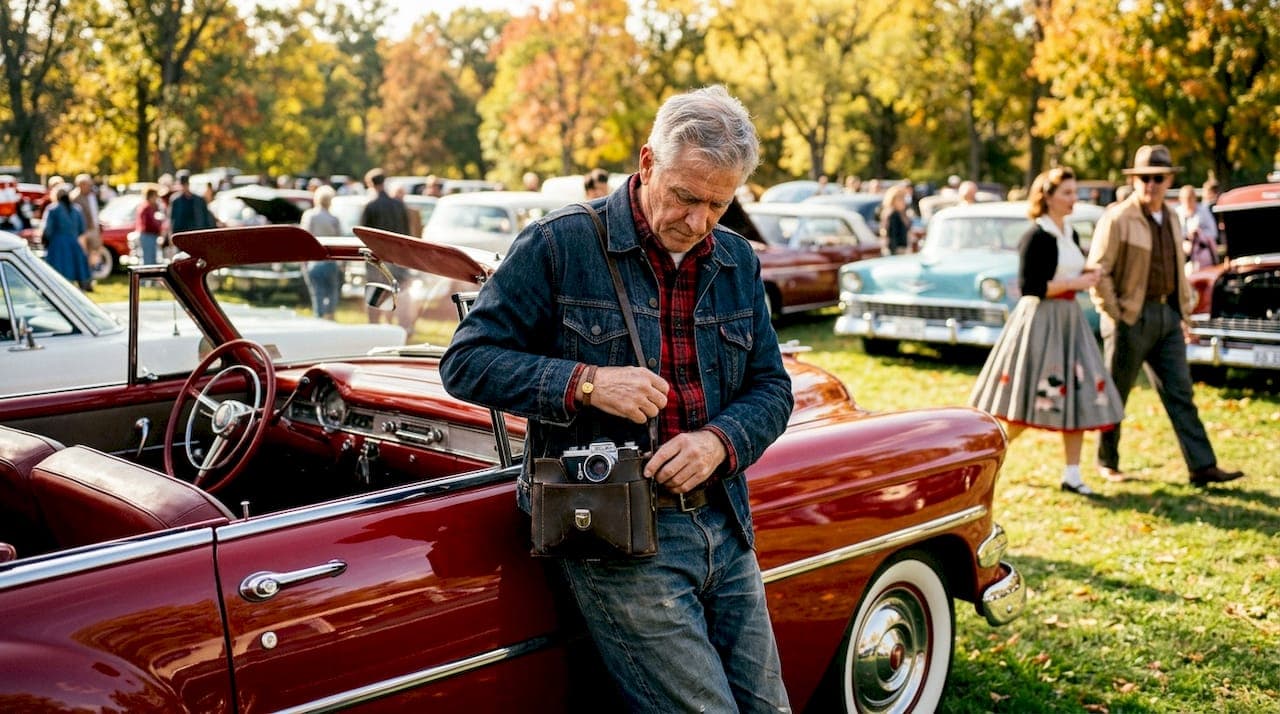
Attending vintage car meets is defined as the act of registering, showing up, and actively participating in organized classic car gatherings where vehicles are displayed, judged, and celebrated by the automotive community. These events are far more than parking lots full of old cars. They are living museums where a 1932 Ford sits next to a 1965 Mustang, where owners share restoration stories, and where decades of automotive history come alive in a single afternoon. Whether you are bringing a show vehicle or coming as a spectator, knowing the rules, schedules, and culture before you arrive makes the entire experience smoother and more rewarding.
What to know before attending vintage car meets
Registration is the first thing you need to sort out, and the details matter more than most first-timers expect. Vehicle eligibility at classic car gatherings varies by event, but most shows define "vintage" using specific model year cutoffs. Pre-1948 and pre-1934 classifications are the most common thresholds you will encounter.
Registration fees are generally affordable. Vehicle registration typically runs between $10 and $20 per show vehicle, while spectator admission is often free or a nominal $5 donation. Some events go further: stock vehicles built before 1948 or even 1925 receive free entry at certain meets. That policy rewards owners of the oldest, most original cars and helps preserve automotive heritage.
Fee structures can also cover more than just your car. At events like the long-running RAVE show, a $20 registration covers one vehicle plus two adults for the full weekend. That kind of bundled pricing makes group attendance genuinely cost-effective.
Here is a quick breakdown of what to verify before you register:
- Vehicle eligibility: Confirm the model year cutoff for your specific car
- Registration fee: Check whether it covers guests or just the vehicle
- Spectator admission: Most events charge little to nothing for walk-in visitors
- Pre-registration deadlines: Many shows cap participant numbers, so early signup matters
- Vehicle class: Know which judging category your car falls into before arrival
| Attendee Type | Typical Cost | Notes |
|---|---|---|
| Show vehicle (standard) | $10–$20 | Covers vehicle display and judging entry |
| Show vehicle (pre-1948 stock) | Free at select events | Incentive for original, unmodified cars |
| Weekend registration bundle | ~$20 | Often includes two adult admissions |
| Spectator | Free or $5 donation | Walk-in access to view all vehicles |
Pro Tip: Read the eligibility rules for your specific vehicle class before you pay. Some shows separate stock, modified, and restored categories, and entering the wrong class can disqualify you from awards.
How to plan your visit to a classic car show
Timing your arrival correctly separates a great experience from a frustrating one. Participant gate entry typically opens as early as 7:00 AM, giving show vehicle owners time to park, set up displays, and get their cars looking their best before the public arrives. Public visitor hours generally run from 9:00 AM to 3:00 or 4:00 PM.

Arriving early as a participant pays off in multiple ways. You get your pick of display spots, you have time to chat with neighbors before the crowds arrive, and you avoid the stress of rushing your setup. As a spectator, arriving right at 9:00 AM means you see vehicles before they get surrounded by crowds.
A typical day at a vintage automobile event follows a predictable rhythm:
- Early morning setup (7:00–9:00 AM): Participants drive in, park in assigned spots, and arrange their display materials
- Gates open to the public (9:00 AM): Spectators begin arriving; judging often starts shortly after
- Midday activities (10:00 AM–1:00 PM): Flea market browsing, food vendors, live entertainment, and People's Choice voting
- Awards and trophy presentations (early afternoon): Best of Show, class winners, and special awards are announced
- Show close (3:00–4:00 PM): Vehicles begin leaving; some events allow early departure after trophies are awarded
Car meets often include automotive flea markets, food vendors, live music, and family-friendly activities alongside the vehicle displays. That combination turns a car show into a full-day outing worth planning around.
Pro Tip: If you can only attend one day of a multi-day event, check whether trophies are awarded on day one. Some shows present awards early so that owners attending a single day can still compete and win.
How do you navigate the vintage car meet experience?
Judging is the competitive heart of most classic car exhibitions, and understanding how it works helps you participate with confidence. Judging categories are organized by era and vehicle type, with winners evaluated on exterior condition and period correctness. That means originality, matching trim, and accurate details carry real weight with judges.
Era-appropriate dress is one of the most underrated ways to enhance your experience. Some events actively encourage participants to wear period clothing that matches their vehicle's decade. A 1940s outfit next to a 1947 Chevy pickup creates the kind of authentic atmosphere that judges and spectators both appreciate. You can read more about vintage car community culture to understand why authenticity matters so deeply at these events.
People's Choice awards add a democratic layer to the competition. Spectators vote for their favorite vehicles, which means your car's visual impact and your engagement with the crowd both matter. Smile, answer questions, and keep a few interesting facts about your vehicle ready to share.
"Fair judging at vintage car meets requires standardized vehicle classes and emphasizes historical authenticity, encouraging participants to recreate period experiences fully. The more accurately a vehicle and its owner reflect the original era, the stronger the impression on both judges and fellow enthusiasts."
Beyond judging, the flea market and vendor areas are worth your time. You will find rare parts, period accessories, and restoration supplies that are hard to source anywhere else. Many collectors make connections at these vendor tables that pay off for years.
Common challenges to avoid at vintage car shows
Even experienced collectors run into avoidable problems at classic car gatherings. Knowing the pitfalls ahead of time keeps your day on track.
- Missing registration deadlines: Popular events fill their participant spots weeks in advance. Register as soon as the show opens registration, not the week before.
- Bringing the wrong vehicle class: Entering a modified car in a stock class, or vice versa, leads to disqualification. Confirm your class with the organizer before the event.
- Ignoring weather preparation: Vintage cars need protection from unexpected rain or intense sun. Bring a quality car cover and check the forecast the night before.
- Skipping the show rules briefing: Most events post a participant guide online. Read it. Rules about engine-on periods, music volume, and display setups vary widely.
- Poor parking and display setup: Arrive during the participant window so you have time to position your vehicle properly. Rushing setup leads to crooked parking and missed display opportunities.
Spectator etiquette matters just as much as participant preparation. Never touch a show vehicle without the owner's explicit permission. Keep food and drinks away from displayed cars. If you want a photo with a vehicle, ask the owner first. These small courtesies define the culture at quality classic car shows and make the community welcoming for everyone.
Logistics like parking for spectators can also catch you off guard at large events. Many vintage automobile events are held at fairgrounds or parks with limited overflow parking. Arriving early or carpooling solves this before it becomes a problem.
Key Takeaways
Attending vintage car meets rewards preparation: knowing registration rules, arriving early, and engaging with the community turns any classic car gathering into a memorable experience.
| Point | Details |
|---|---|
| Register early and verify eligibility | Confirm your vehicle's class and model year cutoff before paying any fees. |
| Understand the fee structure | A $20 registration often covers a vehicle plus two adults, making group attendance affordable. |
| Arrive during participant hours | Show up by 7:00 AM as a participant to secure your spot and set up before crowds arrive. |
| Engage with judging and community | Era-appropriate dress and People's Choice voting both enhance your competitive standing. |
| Avoid common pitfalls | Read event rules, protect your vehicle from weather, and follow spectator etiquette. |
Why these events mean more than most people realize
I have been to a lot of vintage car meets over the years, and the ones that stick with me are never just about the cars. The RAVE show is a perfect example. Since 1980, that single annual event has donated over $229,000 to charitable causes. That number puts the community dimension of these events in sharp focus. You are not just showing up to polish chrome and collect a trophy. You are part of something that funds local nonprofits and keeps a tradition alive.
My honest advice for first-timers: do not overthink the competition side of it. I have watched people stress over judging categories and miss the best part of the day, which is the conversation happening three cars down. The collector who drove a 1934 Ford three states over to attend, the retired mechanic who restored his car over 12 years, the teenager who showed up with her grandfather's 1955 Chevy. Those stories are the real prize.
If you want to get more out of joining classic car communities, start by attending one show as a spectator before you bring your own vehicle. Watch how the judging works, talk to participants, and get a feel for the culture. You will show up the following year with a completely different level of confidence and enjoyment.
— Tony
Butterclassics has the classics worth showing
Whether you are preparing for your first show or adding to a collection you have been building for decades, the right vehicle makes all the difference. Butterclassics carries a curated inventory of vintage and classic cars, from muscle cars and Corvettes to Broncos and pre-war trucks, each listed with detailed specs and high-quality photos.
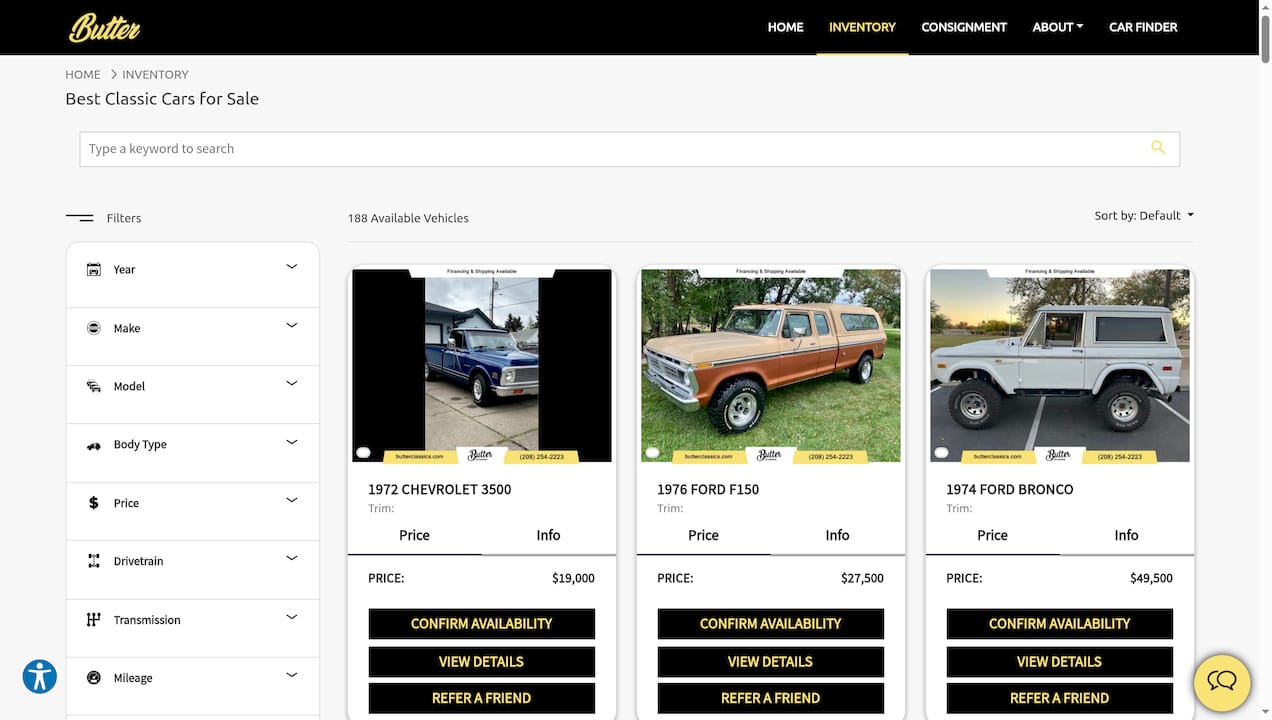
Every vehicle in the Butterclassics lineup is presented with the kind of transparency that serious collectors expect. If you are looking for a show-ready classic or a restoration project with real bones, browse the full inventory to see what is available right now. For collectors who want added peace of mind, the Butter Certified vehicles have been verified by Butterclassics experts and are ready to turn heads at your next event.
FAQ
What is the typical cost of attending a vintage car meet?
Spectator admission is commonly free or a small donation around $5, while show vehicle registration runs $10–$20. Some events offer free entry for stock vehicles built before 1948.
How early should participants arrive at a classic car show?
Participant gates typically open around 7:00 AM, well before public hours begin at 9:00 AM. Arriving early gives you time to set up your display and secure a good spot.
How does judging work at vintage car meets?
Vehicles are judged by era and class, with scoring based on exterior condition and period correctness. People's Choice awards are voted on by spectators and run separately from official judging.
What should I bring to a vintage car show as a participant?
Bring a car cover for weather protection, cleaning supplies for touch-ups, and any display materials like a vehicle history card. Confirm your vehicle class and registration paperwork before you leave home.
Are vintage car meets family-friendly events?
Most classic car gatherings include food vendors, live music, and flea markets alongside the vehicle displays. They are designed as full-day community events suitable for all ages.