You've invested serious time, money, and passion into your vintage vehicle. The last thing you want is to find out your insurance won't cover what it's actually worth. Understanding the types of classic car insurance available to you isn't just a smart move. It's the difference between a full payout and a gut-punch settlement that leaves you short. This guide breaks down every major classic car insurance option so you can protect your collector car the right way.
Table of Contents
- Key takeaways
- 1. What qualifies for classic car insurance?
- 2. Agreed value coverage: the gold standard
- 3. Stated value policies: understand the fine print
- 4. Actual cash value: what to avoid (and why)
- 5. Liability-only coverage: the legal minimum
- 6. Restoration and spare parts coverage: protecting the work in progress
- 7. Cherished salvage coverage: a unique perk worth knowing about
- 8. Comparing classic car insurance policy types
- My honest take on choosing the right coverage
- Protect your classic with the right support from Butterclassics
- FAQ
Key takeaways
| Point | Details |
|---|---|
| Agreed value is king | Agreed value coverage guarantees a full, pre-set payout with no depreciation deductions at total loss. |
| Eligibility matters | Classic car policies require limited hobby use, proper storage, and a separate primary vehicle. |
| Stated value carries risk | Stated value policies can pay less than expected, leaving collectors underinsured after a loss. |
| Add-ons enhance protection | Restoration coverage, spare parts insurance, and cherished salvage options fill gaps standard policies miss. |
| Premiums are affordable | Specialty classic car premiums average far less per year than standard auto insurance on comparable vehicles. |
1. What qualifies for classic car insurance?
Before diving into the types of coverage, it helps to know whether your vehicle even qualifies. Not every old car gets to play by classic car insurance rules, and the eligibility criteria vary between insurers.
Most specialty insurers look for vehicles that are at least 20 to 25 years old and maintained in good to excellent condition. That said, some insurers will cover enthusiast or modified vehicles under 25 years old based on use and storage rather than strict age, which is great news if you own a well-preserved early 2000s muscle car or a low-mileage collectible.
Beyond age, insurers pay close attention to how you use the car. The rules generally include:
- Limited mileage: Most policies cap annual mileage between 1,000 and 7,500 miles, depending on the insurer.
- Hobby use only: Coverage is designed for car shows, club events, and weekend cruises. Not your daily commute.
- Proper storage: Insurers typically expect the vehicle to be stored in a locked garage when not in use.
- Separate primary vehicle: You need to carry standard insurance on another vehicle you drive regularly. Using your classic as a daily driver can void your specialty coverage entirely.
Pro Tip: Keep records of your mileage and storage setup. If a claim ever comes up, your insurer may ask for proof that you met these conditions.
2. Agreed value coverage: the gold standard
If there's one thing worth understanding deeply in the world of classic car insurance options, it's agreed value coverage. This is the most widely recommended and widely used policy type among serious collectors. And for good reason.
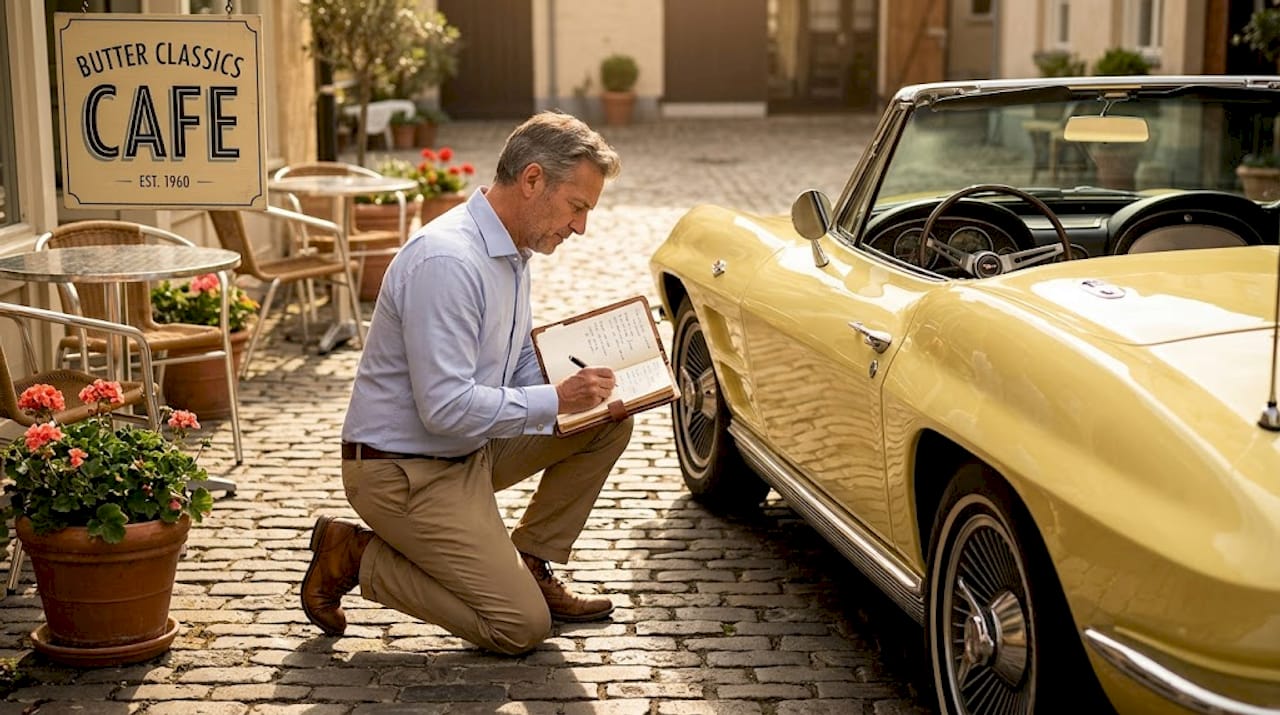
Here's how it works. Before your policy goes into effect, you and the insurer agree on the car's value, typically supported by a professional appraisal. If your car is totaled or stolen, agreed value coverage pays out that full amount with no depreciation deducted. You get every dollar you agreed on. Period.
That's a big deal when you compare it to standard actual cash value policies, which subtract depreciation and often leave you with far less than your car is worth on the collector market.
"Enthusiasts often incorrectly use standard policies instead of agreed value coverage, putting their investment at serious risk." — Brian Raybold, Hagerty
Many agreed value policies also come with useful extras:
- Spare parts coverage: Protects NOS (new old stock) and hard-to-find components stored at home.
- Restoration coverage: Covers vehicles mid-rebuild for their current value during the restoration process.
- Cherished salvage option: Lets you keep the wreck after a total loss while still receiving your full agreed payout.
Pro Tip: Get a fresh appraisal every two to three years, especially if you've completed restoration work or the classic car market has shifted. Your agreed value should reflect what the car is actually worth today.
Agreed value is the best choice for any collector who has put significant money or effort into their vehicle. It removes the guesswork and protects your real investment.
3. Stated value policies: understand the fine print
Stated value sounds similar to agreed value, and that's exactly where a lot of collectors get tripped up. They are not the same thing, and the difference can cost you significantly in a worst-case scenario.
With a stated value policy, you declare a value for your vehicle when you purchase coverage. But if you file a total loss claim, the insurer pays the lower of either the stated amount or the actual market value of the car at claim time. Stated value policies can leave owners under-reimbursed because market conditions at the time of the claim may push the payout below what you expected.
Here's a quick comparison of how the two stack up:
| Feature | Agreed Value | Stated Value |
|---|---|---|
| Payout on total loss | Full agreed amount | Lower of stated or market value |
| Depreciation applied | No | Possibly yes |
| Payout certainty | High | Variable |
| Risk of underpayment | Very low | Moderate to high |
| Best for | Restored, high-value classics | Budget-conscious, lower-value vehicles |
Stated value policies are sometimes cheaper up front, which makes them appealing for older vehicles with modest market values. If your classic is a project car you haven't fully restored yet and its current market value is fairly stable and well-documented, stated value might be a workable option. Just go in with clear eyes about what you might actually receive if something goes wrong.
4. Actual cash value: what to avoid (and why)
Actual cash value (ACV) policies are the standard coverage type you'd find on most modern vehicles. They calculate a payout based on the car's current depreciated market value at the time of loss. For a 1969 Camaro that you've spent $40,000 restoring, an ACV payout could be shockingly low if an adjuster's formula doesn't account for the collector market properly.
This is the coverage type Brian Raybold at Hagerty specifically warns collectors about. Standard policies were designed for vehicles that lose value over time. Classic cars often gain value. Those two realities are fundamentally incompatible, and that mismatch shows up most painfully at claim time.
ACV coverage might come into play as the base coverage on a classic car if you somehow end up with a non-specialty insurer. Always check your policy documents to confirm the valuation method being used.
5. Liability-only coverage: the legal minimum
Classic car insurance options also include liability-only policies, which cover damage or injuries you cause to others but don't protect the vehicle itself. Most states require at least basic liability coverage to meet legal financial responsibility laws, even for vehicles driven only a handful of times a year.
For a true garage queen that rarely leaves the property, liability-only might seem sufficient. But think carefully before going this route with a vehicle that has real collector value. One accident, fire, or theft with no comprehensive or collision coverage means absorbing the entire loss yourself. It's a risk that rarely makes sense for anything beyond a low-value beater kept for parts.
Where liability-only coverage does make more sense is as a supplement within a broader specialty policy structure, covering you for public road exposure while your agreed value or stated value coverage handles the vehicle's worth.
6. Restoration and spare parts coverage: protecting the work in progress
Classic cars in the middle of a restoration project sit in a particularly vulnerable spot. The vehicle may not be drivable yet, but it already represents a major financial investment in parts, labor, and materials.
Specialty insurers have developed coverage options specifically for this situation. Here's what to look for:
- Restoration coverage: Insures the vehicle for its current partial or full restoration value during the rebuild. Some policies also cover parts and tools stored in the garage.
- Spare parts and tools insurance: Separately covers NOS components, extra trim pieces, and specialized tools. These can add up to thousands of dollars and a standard homeowner's policy often won't cover them adequately.
- Transit coverage: Covers the vehicle while it's being transported to a show, restoration shop, or new storage location.
Documenting your work is critical here. Keep receipts and appraisals for all restoration work and modifications before a claim happens. Without documentation, insurers have little basis to recognize the added value of your labor and parts investment.
Pro Tip: Photograph your restoration progress at every major milestone and store copies digitally off-site. If your shop burns down with the car inside, those photos become your most important claim evidence.
7. Cherished salvage coverage: a unique perk worth knowing about
Most collectors don't think about what happens to their car's remains after a total loss claim. Standard insurers take possession of the salvage. That's fine for a 2019 sedan. For a numbers-matching muscle car with rare body panels and original drivetrain components, losing the salvage is losing a fortune in usable parts.
Cherished salvage coverage, also called the right-to-keep option, lets you retain the totaled vehicle after a full payout. You still receive your complete agreed value settlement, and you keep the wreck to part out, rebuild, or store as you see fit. It's one of those add-ons that sounds like a niche detail until the day you actually need it.
Not every specialty insurer offers this option, so ask about it specifically when you're doing your classic car insurance comparison shopping.
8. Comparing classic car insurance policy types
Here's a side-by-side look at how the main classic vehicle insurance types compare across the factors that matter most to collectors:
| Policy type | Payout method | Depreciation | Best for | Typical annual cost |
|---|---|---|---|---|
| Agreed value | Full pre-agreed amount | None | Restored, high-value classics | $200 to $600 |
| Stated value | Lower of stated or market | Possible | Lower-value, stable market cars | Slightly lower than agreed |
| Actual cash value | Depreciated market value | Yes | Non-specialty, modern vehicles | Standard auto rates |
| Liability only | Third-party damages only | N/A | Garage queens, rarely driven | Lowest |
| Restoration coverage | Current build value | Varies | Mid-restoration projects | Added to base policy |
Specialty premiums average $200 to $600 annually, which runs 40% to 50% cheaper than standard auto insurance on comparable vehicles. Beyond cost, one underappreciated advantage of specialty coverage is premium stability. Specialty insurers generally don't spike your rates after a claim the way standard carriers do, which makes them a far better fit for the collector lifestyle.
My honest take on choosing the right coverage
I've talked with a lot of classic car owners over the years, and the most common mistake I see is undervaluing what they actually have. Someone puts 18 months into a frame-off restoration, spends $35,000 on parts and paint, and then grabs a cheap stated value policy because it looked affordable. Then the unthinkable happens, and they find out the payout doesn't come close to what they put in.
Agreed value coverage isn't just the best classic car policy on paper. It's the only policy that actually matches how collector cars work in the real world. Values go up. Restorations add worth. The market rewards the right cars. Your insurance should reflect that reality.
I'd also say this: work with an insurer who actually knows the hobby. There's a meaningful difference between a specialty insurer who speaks your language and a generalist carrier who simply adds a "collector car rider" to a standard policy. The former understands why a numbers-matching drivetrain is worth more than a swapped one. The latter doesn't, and that gap shows up when you file a claim.
Finally, don't skip the documentation step. I've seen claims go sideways not because the coverage was wrong, but because the owner couldn't prove what the car was worth. Photos, receipts, appraisals. Build that file before you ever need it.
— Tony
Protect your classic with the right support from Butterclassics
Ready to take the next step in protecting your vintage vehicle? Butterclassics is here to help make the whole process smooth as butter.
At Butterclassics, we specialize in classic and collectible vehicles, and we understand exactly what it takes to protect them properly. Our Butter Certified inspection and certification process gives you the documentation you need to support an accurate agreed value appraisal, making it far easier to lock in the right coverage with a specialty insurer. Whether you're buying your first collector car or adding to a growing garage, our team is here with top-notch service every step of the way. Browse our inventory and see why collectors across the country trust Butterclassics to find, verify, and protect their prized vehicles.
FAQ
What is agreed value classic car insurance?
Agreed value coverage pays out the full pre-set amount you and your insurer agreed on when you purchased the policy, with no depreciation deducted in a total loss scenario. It's the most recommended coverage type for collector and vintage vehicles.
How does stated value differ from agreed value?
Stated value policies pay whichever is lower: your stated amount or the vehicle's actual market value at claim time. This means you could receive less than expected, unlike agreed value which guarantees the full fixed payout.
How much does classic car insurance typically cost?
Classic car insurance premiums typically run $200 to $600 per year, which is 40% to 50% less than standard auto insurance on comparable vehicles, making it an affordable way to protect a significant investment.
Can I insure a car that's still being restored?
Yes. Many specialty insurers offer restoration coverage that protects the vehicle for its current build value during the rebuild process, along with spare parts and tools stored at your property.
Do I need a separate regular car to qualify for classic car insurance?
Yes. Most specialty policies require you to carry insurance on a primary daily-use vehicle. Using your classic as your main driver can void your specialty coverage, since these policies are designed for limited hobby use only.